Last updated November 18, 2026
Free written scope consultation - allowances, timeline, and change-order rules on paper before a single trade is scheduled
DIY vs Professional Construction: The East Los Angeles Homeowner’s Decision Guide
Most homeowners think the DIY question is about skill. It isn’t. It’s about permit exposure, material access, and what a mistake costs to undo. In unincorporated East Los Angeles, work done without permits can surface during a home sale and stall escrow until it’s corrected, which turns a modest labor savings into a much larger correction bill. We’ve watched this dynamic play out across the neighborhoods we work in, and it rarely rewards the shortcut. This guide breaks down which tasks are genuinely DIY-appropriate, which ones carry consequences that dwarf any savings, and how to decide project by project. You’ll leave with a framework you can apply to your own East Los Angeles home.
Quick Answer
Some construction tasks are legitimately DIY in East Los Angeles: interior painting, landscaping, minor fence repair, and caulking don’t trigger permit requirements and won’t jeopardize a future sale. Tasks that involve structural changes, window replacement (Title 24 compliance), roofing, or electrical work in older homes carry permit and liability exposure that usually outweighs any labor savings. The right call depends on three variables: whether the work needs a permit, whether it affects a system your insurer will inspect, and whether a mistake would require professional correction.
Styles & brands we work with
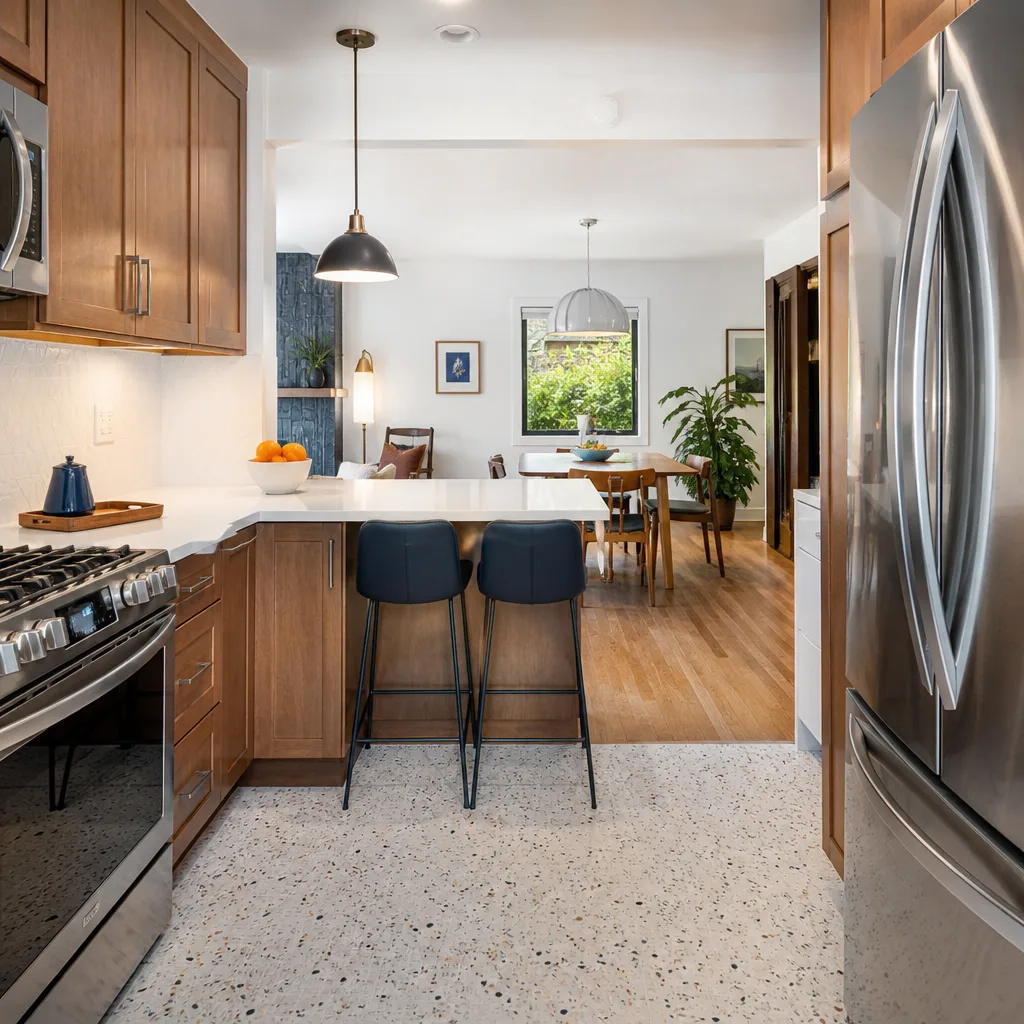
- Kitchen remodeling
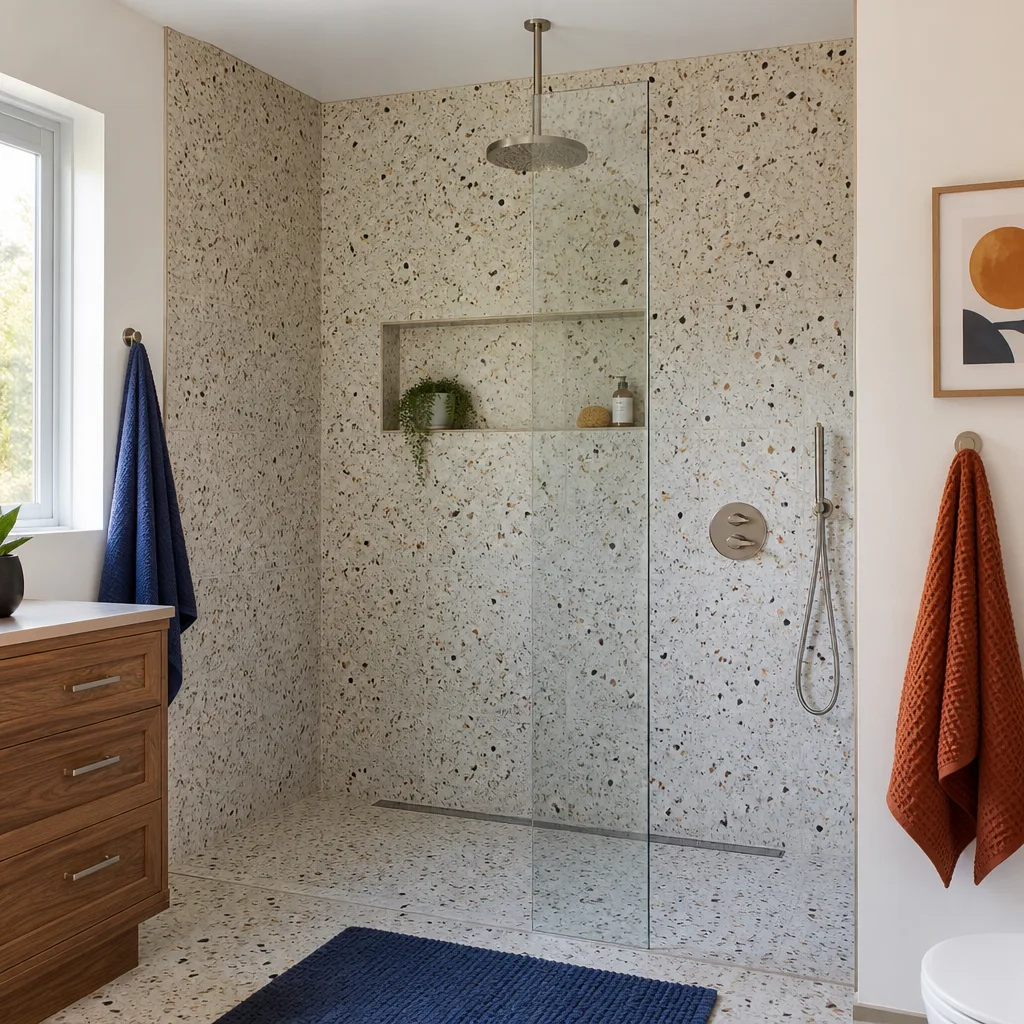
- Bathroom remodeling
- Home additions & ADU
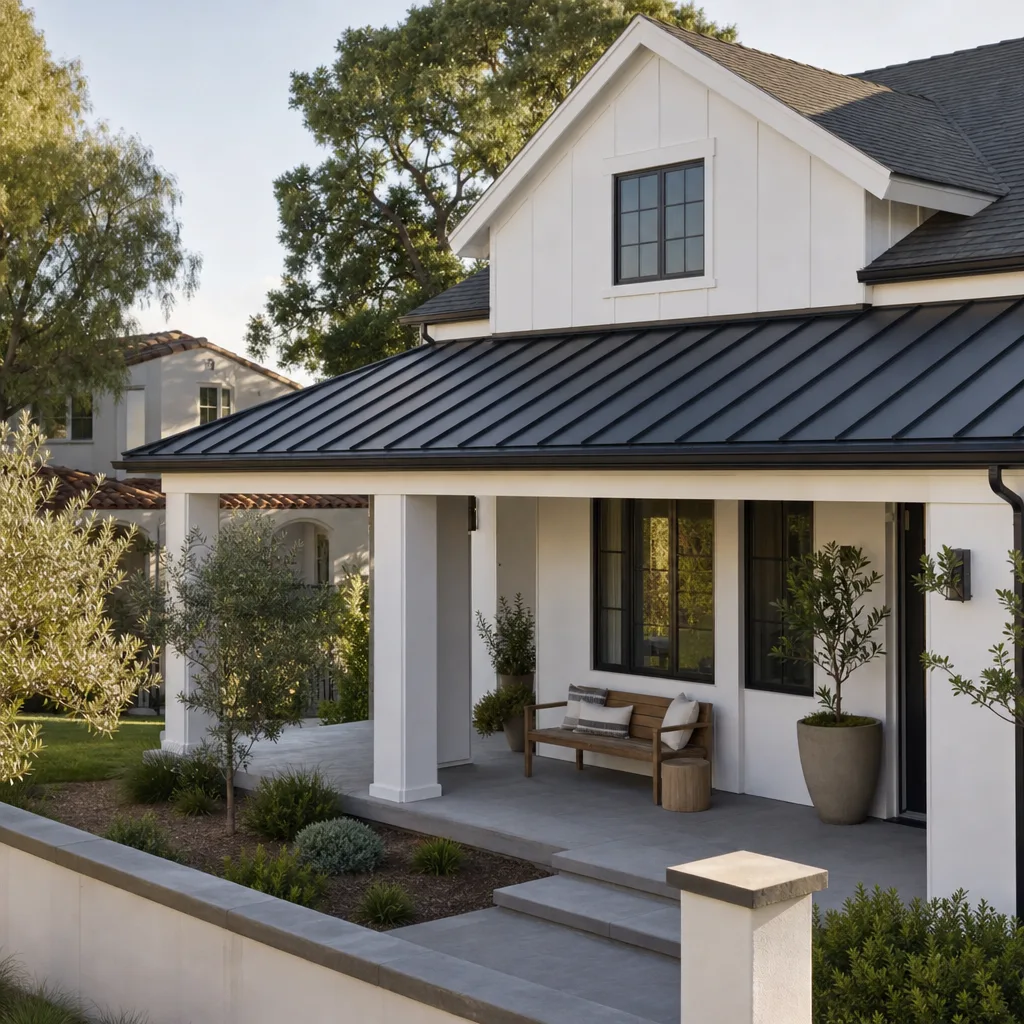
- Roofing
- Windows & doors
- Driveway & pavers
- Fence
Table of Contents
- The Three-Question Decision Framework
- Tasks Where DIY Is Legitimate in East Los Angeles
- Tasks That Look DIY-Able but Carry Real Exposure
- How to Calculate Your True DIY Cost
- The Insurance Angle Nobody Explains
- A Go/No-Go Framework by Project Type
- Why Sequencing Matters (and Why It’s Hard Solo)
- Material Access: The Hidden Professional Advantage
The Three-Question Decision Framework
Before you pick up a tool, answer three questions honestly. The answers will tell you whether the project belongs in your hands or a licensed contractor’s.
- Does this work require a permit in East Los Angeles? Most structural, electrical, plumbing, and window replacement work does. A permit isn’t bureaucracy; it’s the paper trail that protects your home’s resale value. If the answer is yes, the DIY decision is effectively off the table for most homeowners.
- Will my insurer care if this goes wrong? A fire, a water intrusion event, or a structural failure that traces back to unpermitted work gives your insurer grounds to limit or deny a claim. Structural systems – roofing, windows, framing – get the closest scrutiny during a claim review.
- What does a botched version cost to correct? If the answer is “less than a professional would have charged,” DIY makes sense. If the answer is “significantly more because the correction involves opening walls, pulling permits retroactively, or replacing materials,” the math has already decided for you.
Notice that none of these questions is “Am I handy?” Skill matters, but it’s the softest variable in the equation. A skilled homeowner can still trigger a permit violation. An unskilled homeowner can usually learn a task that doesn’t touch the building envelope. The framework sorts by consequence, not competence. For a broader picture of what falls under our construction East Los Angeles scope, it helps to know which trades connect to which permit categories.
Tasks Where DIY Is Legitimate in East Los Angeles
Let’s be specific about what you can reasonably do yourself. These tasks don’t trigger permit requirements, and a mistake is unlikely to affect your home’s structural integrity or insurability.
- Interior painting. Prep, prime, and paint. A good paint job takes patience and the right tools, but it’s the single most forgiving DIY task in a home. Just watch for lead paint in homes built before 1978; testing kits are cheap and the disclosure requirements on resale are real.
- Landscaping and planting. Grading that stays within a few inches, planting, and mulch are all fair game. Major grading that changes water flow toward a foundation is a different story and should involve an engineer.
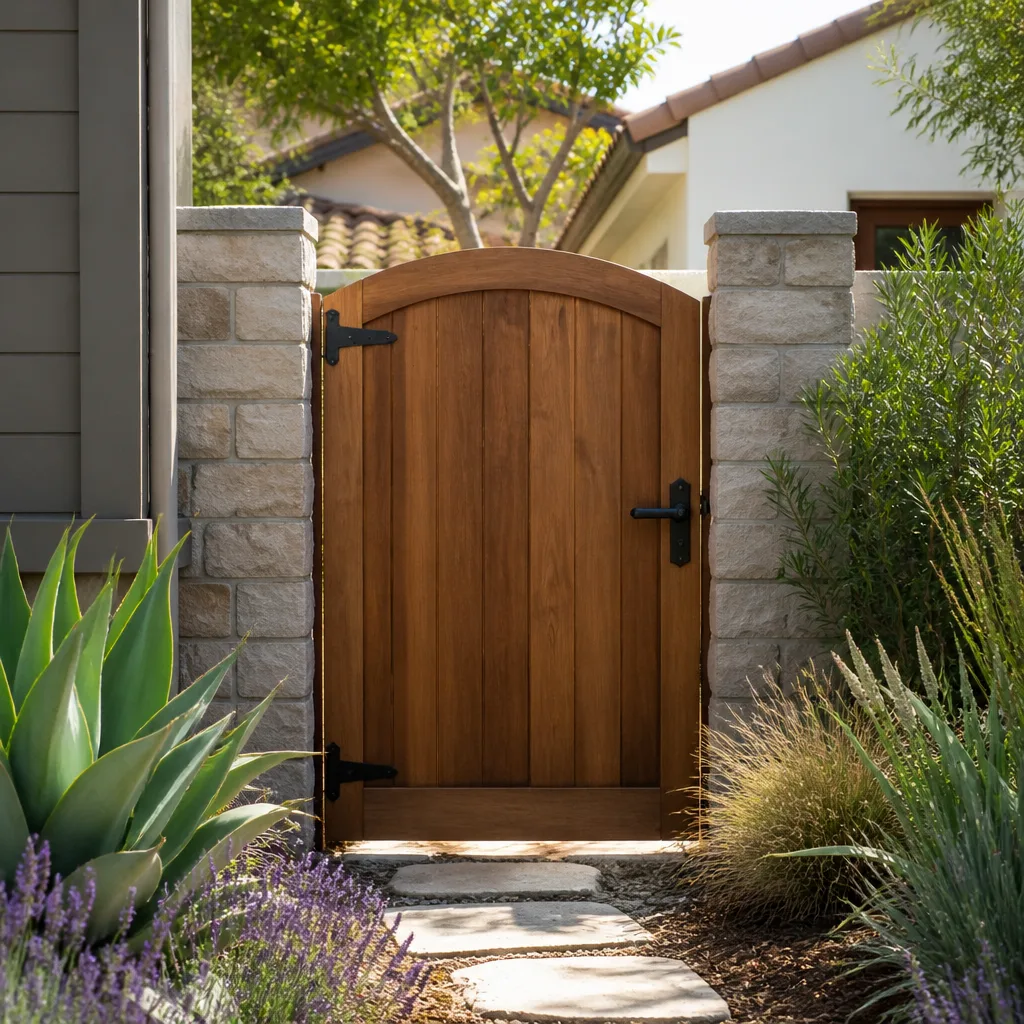
- Minor fence repair. Replacing a picket, tightening a hinge, or resetting a post anchor after a winter of soil movement is reasonable DIY work. Full fence installation, especially along a property line, is different: setback rules and neighbor agreements are worth getting right the first time.
- Caulking and weatherstripping. Recaulking exterior seams, sealing around penetrations, and replacing worn weatherstripping all reduce water intrusion and air leakage. These tasks have real value and almost no downside.
- Patching drywall and simple tile touch-ups. Filling a nail hole, patching a small drywall crack, or replacing a single tile at a baseboard is DIY territory.
The common thread: none of these tasks affects a system that a building inspector or insurance adjuster reviews during a claim or a sale. They change how the home looks and how it weathers over time, but they don’t change the permitted record.
Tasks That Look DIY-Able but Carry Real Exposure
Here’s where homeowners get into trouble. These tasks have a low apparent barrier to entry and a very high cost of getting them wrong.
Window Replacement
This one surprises people. Windows look like a straightforward swap, but replacement windows in East Los Angeles fall under Title 24 energy code requirements, which specify U-factor and solar heat gain performance. Non-compliant windows can fail an inspection and require replacement. Impact-resistant glass for security, noise, and storm protection is also a consideration for many homeowners in the area. Manufacturers like Mr-Glass and ViewLux make products designed for the climate we actually have here – long hot summers and dry winters – and getting the spec right matters more than most people realize. A contractor manages the Title 24 documentation; a homeowner usually can’t.
Roofing
Roof repairs above a certain size require a permit, and full replacement almost always does. There’s also the insurance angle: most insurers expect roofing work on structural components to be performed by a licensed contractor, and a claim after a poorly installed roof can be contested. Roofing manufacturers like GAF, CertainTeed, Owens Corning, IKO, Atlas, and Tamko all offer systems built for the Southern California climate, but the material is only half the equation. Underlayment, flashing details, and ventilation are where DIY installs fail, and those failures show up years later as interior water damage.
Electrical Work in Older Homes
Electrical is the highest-consequence DIY category. Older East Los Angeles homes often have wiring that predates modern code, and a homeowner who assumes the wiring is standard is one surprise away from a serious hazard. Any work inside a panel, any new circuit, and any work that touches knob-and-tube or aluminum branch wiring belongs with a licensed electrician. This is one area where we tell people to stop and call, full stop.
Plumbing Rough-In
Moving a drain line or supply pipe in a bathroom or kitchen remodel requires a permit and an inspection. A leak behind a finished wall is expensive to correct, and the correction usually means opening the wall you just closed.
We’ve seen the pattern often enough in East Los Angeles: the first version of a project starts as a weekend job, and the second version involves a contractor correcting a permit problem and a code issue at once. The home additions & ADU side of our work deals with this regularly, because additions and ADUs are the most permit-intensive projects a homeowner can take on.
How to Calculate Your True DIY Cost
The DIY math most homeowners run is incomplete. It compares the contractor’s labor quote against the cost of materials at a big-box store and calls the difference savings. That number is almost always wrong, usually in the DIY column’s favor.
Here’s what a complete calculation looks like.
- Material cost, including markup reversal. Contractors buy at pricing most homeowners can’t access, particularly on brands like Cambria, Caesarstone, and Silestone countertops, or KraftMaid and Wellborn cabinetry. In many cases the contractor’s material price plus labor is closer to the retail material price than people expect once you factor in the contractor’s pricing tier.
- Tool rental and purchase. A tile saw, a wet saw, a nail gun, a drum sander, a scaffold: the tools you need for one project can add up quickly. Rent what you can, but the rental cost belongs in the DIY column.
- Your time at its actual value. A bathroom remodel is a multi-week project for a crew. For a homeowner on nights and weekends, it stretches into months. If you’re taking time off work or delaying other projects, that has a cost.
- The rework rate. This is the biggest number most people leave out. A meaningful share of DIY projects end up requiring professional correction – not because the homeowner was careless, but because the work is harder than it looked. Every correction starts with undoing work, which costs more than doing it right the first time.
- The permit and inspection risk. If the project required a permit and you skipped it, the correction cost at sale or during a claim review is the largest line item of all. Retroactive permitting, opening finished work for inspection, and paying for a re-inspection are all real costs.
Run those five numbers against the contractor’s written estimate and the DIY case usually narrows considerably. That’s not a sales argument; it’s just what the arithmetic looks like when the full picture is included.
The Insurance Angle Nobody Explains
Here’s the part most homeowners learn the hard way. Unpermitted work can affect how your insurer handles a claim on the systems it touches. This isn’t a scare tactic; it’s the standard claims process.
When you file a claim on a structural system – a roof, a window wall, a foundation – the adjuster’s job is to establish the cause of loss and confirm the work that’s being claimed was done to code. If the damage traces back to unpermitted modifications, the insurer may limit the payout, require you to bring the work up to code before covering the repair, or deny the claim entirely depending on the policy language.
In LA County, the areas that get inspected most closely during a claim are the ones where unpermitted work is most common: electrical, roofing, windows, and anything structural. What insurers actually check is the permit history at the county or city level. If the work isn’t on record, the adjuster’s first question is whether the work was done at all.
- Permit history is the first check. Pulling a permit puts the work on record. Skipping it does the opposite.
- Licensed contractor documentation strengthens a claim. Invoices, contracts, and the contractor’s license number on file give the adjuster what they need.
- Unpermitted improvements can complicate a sale. A buyer’s inspector will flag unpermitted work, and the correction often becomes a negotiation event at escrow.
One more thing: many insurers have specific requirements for roofing above a certain scope or value. Those requirements assume the work was done by a licensed contractor. A DIY roof install may void part of the coverage on the roof itself.
A Go/No-Go Framework by Project Type
Here’s where the framework becomes concrete. Below is how we think about DIY versus professional by project category, based on permit exposure, insurance implication, and correction cost.
Driveways and Hardscape: Usually No-Go for DIY
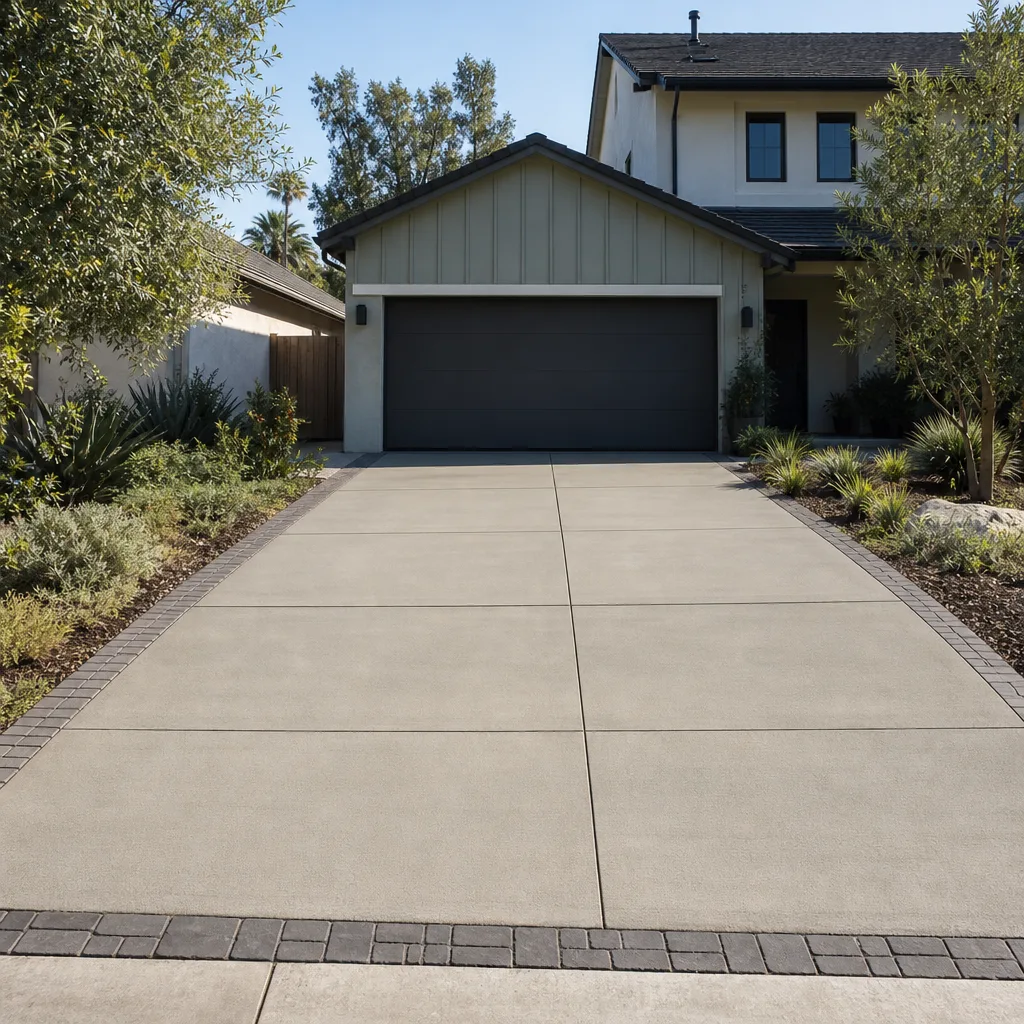
Pouring concrete, laying pavers, or setting a base course correctly requires equipment, drainage knowledge, and compaction you can’t achieve with hand tools. Pavers from Belgard, Unilock, Techo-Bloc, Tremron, Cambridge Pavers, or Oldcastle are only as good as the base underneath them, and the base is where DIY installs fail. See our driveway & pavers page for the scope of a proper install.
Fencing: Partial Go
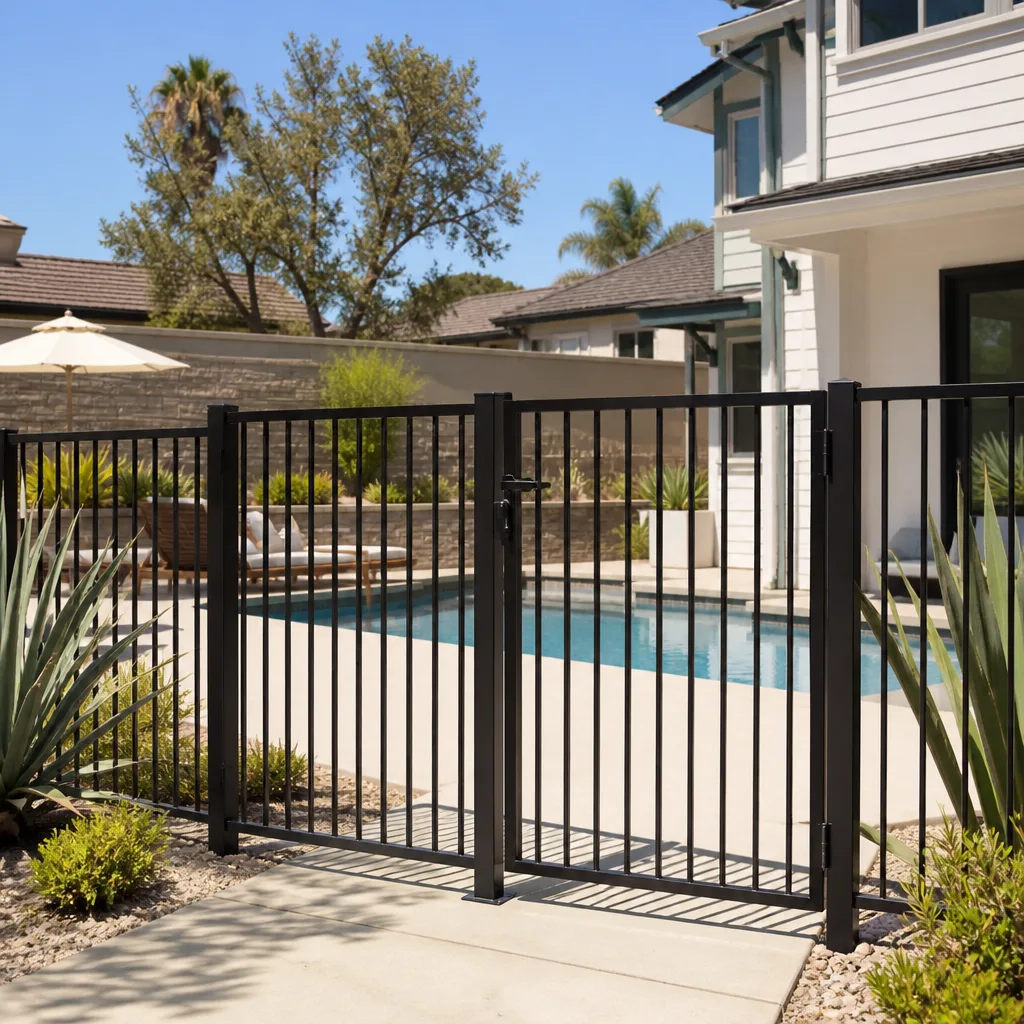
Repairs and a small section of new fence are reasonable. Full replacement along a property line, especially where a neighbor’s fence is adjacent, is better done professionally. Setbacks, height rules, and materials matter for resale.
Roofing: No-Go
The safety risk is real, the permit requirement is real, and the insurance implication is real. Roofing is the clearest no-go on the list.
Windows and Doors: No-Go
Title 24 compliance, correct flashing, and proper integration with the building envelope make this a professional task. High-tension door hardware and structural door openings are also higher-risk than they look. Brands like Therma-Tru and Boral offer products built for the region, but only a professional installation protects the manufacturer’s warranty.
Kitchen Remodeling: No-Go for the Build, Go for the Finish
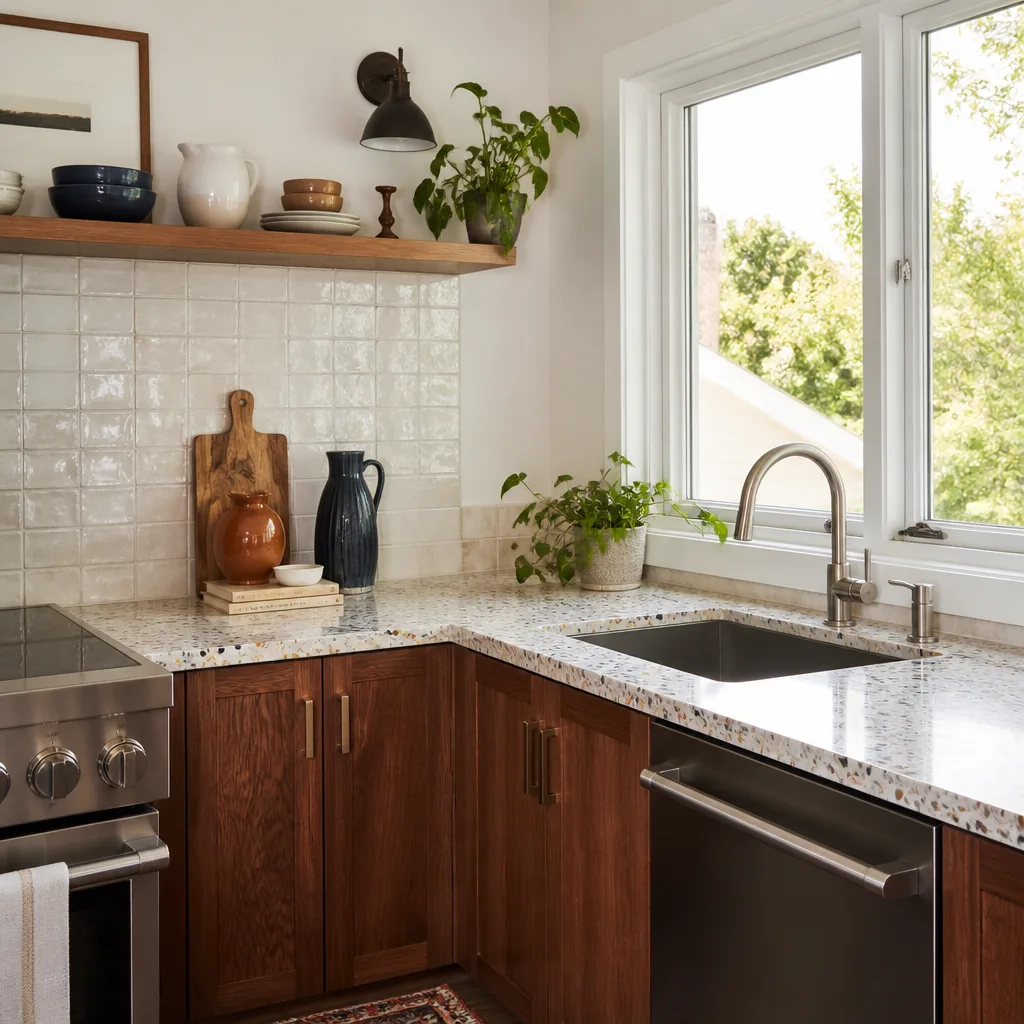
Cabinet install, countertop templating and install, electrical, plumbing rough-in, and tile are all professional work. Interior paint and final trim can be homeowner work if the schedule allows. Fixtures from Kohler, Grohe, Moen, Delta, Blanco, or American Standard are yours to select; their installation is best left to the trade.
Bathroom Remodeling: No-Go for the Build
Waterproofing, drain slope, and plumbing rough-in are exactly where DIY failures show up, and the failure is always behind a finished surface. This is a no-go for anything beyond fixture swaps.
Home Additions and ADUs: No-Go
Permits, structural engineering, and inspections make additions and ADUs the most professional-dependent category there is. Both site-built options and prefab/modular systems like Abodu, Dvele, Boxabl, Mighty Buildings, and Plant Prefab are on the table, but even prefab installs require site work, foundation, and utility connections that a homeowner can’t handle.
Why Sequencing Matters (and Why It’s Hard Solo)
Even when a homeowner does a legitimate DIY project, sequencing is where the plan breaks down. Construction works best when phases are sequenced so that finished work isn’t damaged by the next trade.
A simple example: roofing happens before window replacement, because window trim and flashing tie into the roof edge. If the windows go in first, the roofer may pull trim to get the roof right. If the roof goes in first, the window installer has a clean edge to flash against. One sequence costs nothing extra; the other costs rework.
The same logic applies across every category. Fencing goes in before landscaping. Hardscape goes in before fencing posts are set in the ground, unless you want to pull a section of fence to lay a driveway edge. Interior paint goes after cabinets go in, not before. Flooring goes after paint. The order matters more than people expect.
When one contractor coordinates all seven categories – roofing, windows and doors, fencing, driveways and pavers, kitchens, bathrooms, and additions/ADUs – the sequencing is planned once, at the start. When a homeowner is coordinating a roofer, a window company, a fence guy, and a paver crew, each one has their own idea of when they should be on site, and the finger-pointing starts when a finished surface gets damaged.
Material Access: The Hidden Professional Advantage
Homeowners often don’t realize how much of the professional advantage is selection, not just labor.
- Roofing. Six major manufacturers – GAF, CertainTeed, Owens Corning, IKO, Atlas, and Tamko – each make shingles, composites, and tile systems for different roof types and budgets. The right choice depends on the roof pitch, sun exposure, and ventilation, not just the color.
- Kitchens. Cabinetry from KraftMaid and Wellborn, paired with Cambria, Caesarstone, or Silestone surfaces, creates real trade-offs in durability, edge profile, and price. Fixtures from Kohler, Grohe, Moen, Delta, Blanco, or American Standard round out the plan.
- Windows and doors. Boral, Mr-Glass, Therma-Tru, and ViewLux all serve the region, but the performance spec is what matters for Title 24. A professional specifies the product to the code.
- Prefab ADUs. Modular and panelized homes from Abodu, Dvele, Boxabl, Mighty Buildings, Plant Prefab, and Cover offer shorter timelines and different cost structures than a site-built addition. The right choice depends on your lot, your utility connections, and your long-term plan.
A homeowner can access most of these brands on their own. What they can’t do as easily is specify the right product for their home, sequence the install, and manage the permit and inspection process. That’s the part the contractor relationship actually buys.
Common Mistakes to Avoid
- Comparing DIY material cost to a contractor’s full estimate. The comparison is only fair if you include tools, permit costs, your time, and the rework rate. Most homeowners skip the last two.
- Assuming “small” means “no permit.” A window replacement is small in square footage and significant in permit scope. Always check with the city or county before starting.
- Doing a bathroom waterproofing job “quickly.” Waterproofing failures show up in six to eighteen months as damage to the room below. There is no shortcut here that pays off.
- Hiring a separate contractor for each trade and expecting the plan to hold. Without a single point of coordination, sequencing gaps are common, and each trade blames the other when a surface gets damaged.
- Skipping the permit to save money. The permit cost is a small line item. The correction cost at sale is the one that hurts.
- Choosing materials without checking the spec. A shingle that performs well on one roof type may fail on another. Same with window glazing and Title 24. The product name isn’t the spec.
- Assuming prefab ADUs skip the permitting process. They don’t. Site work, foundation, and utility connections still go through the same review.
See the difference
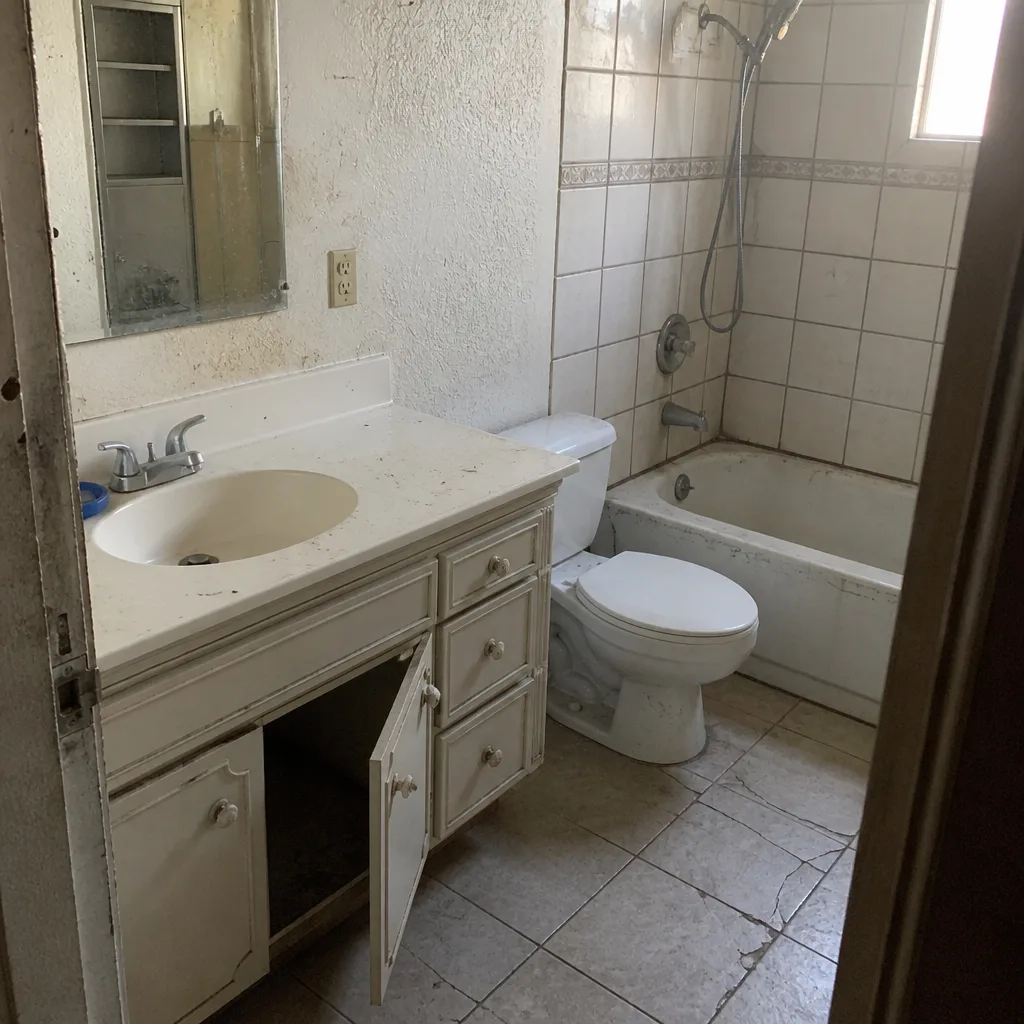 Before
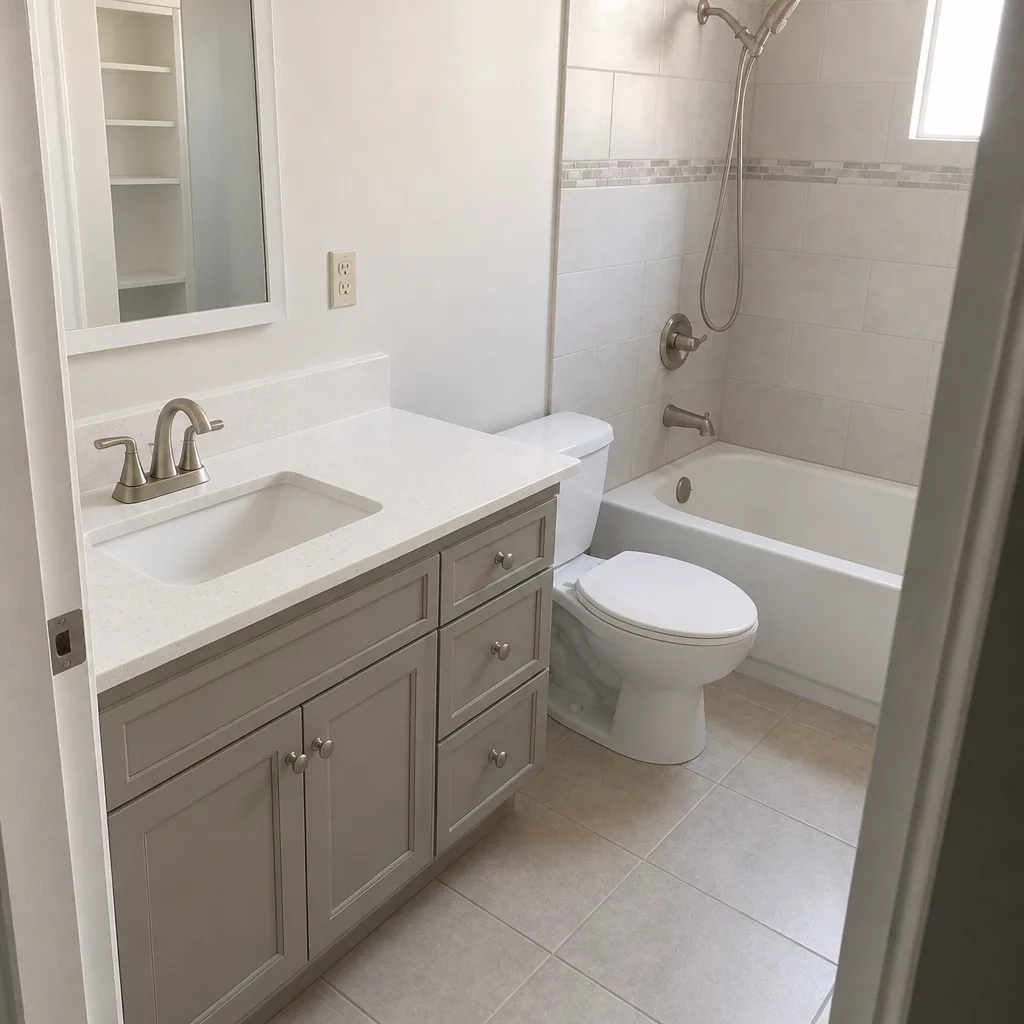 After
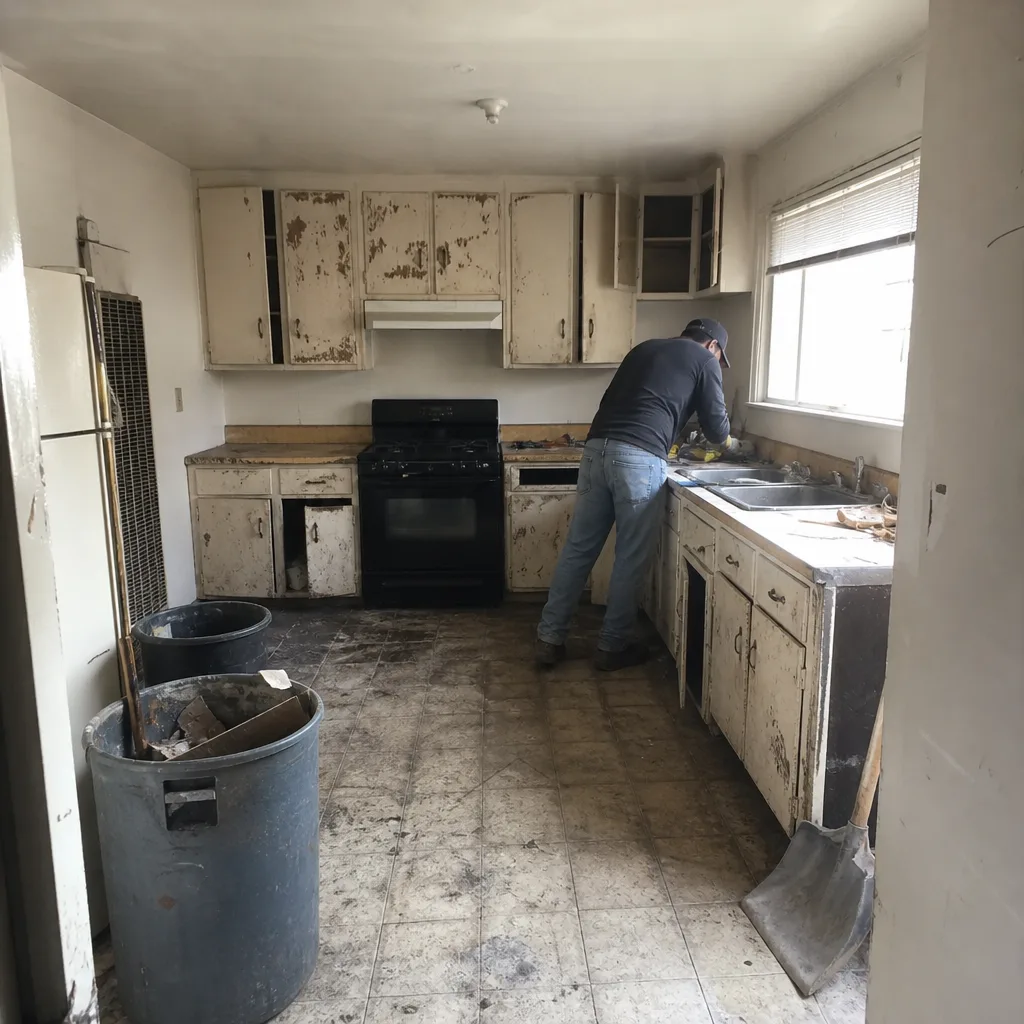 Before
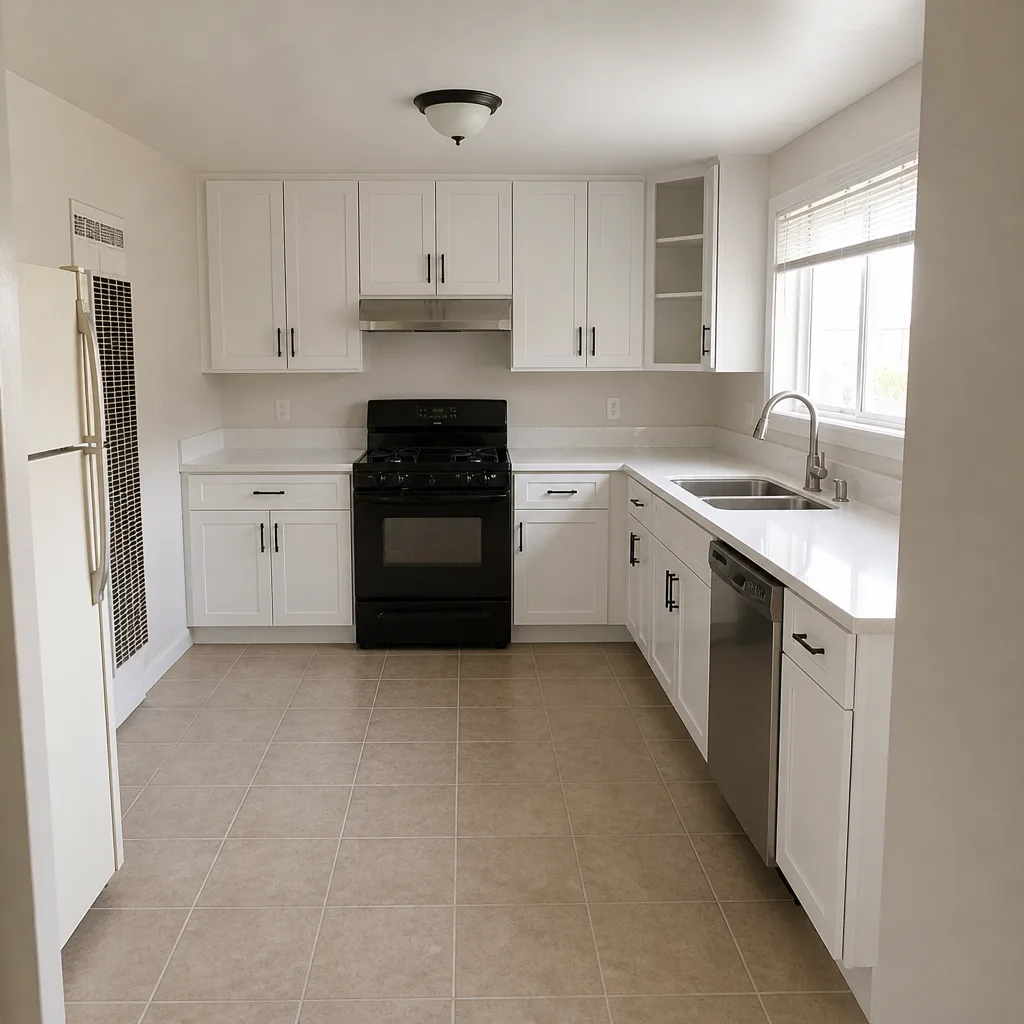 After
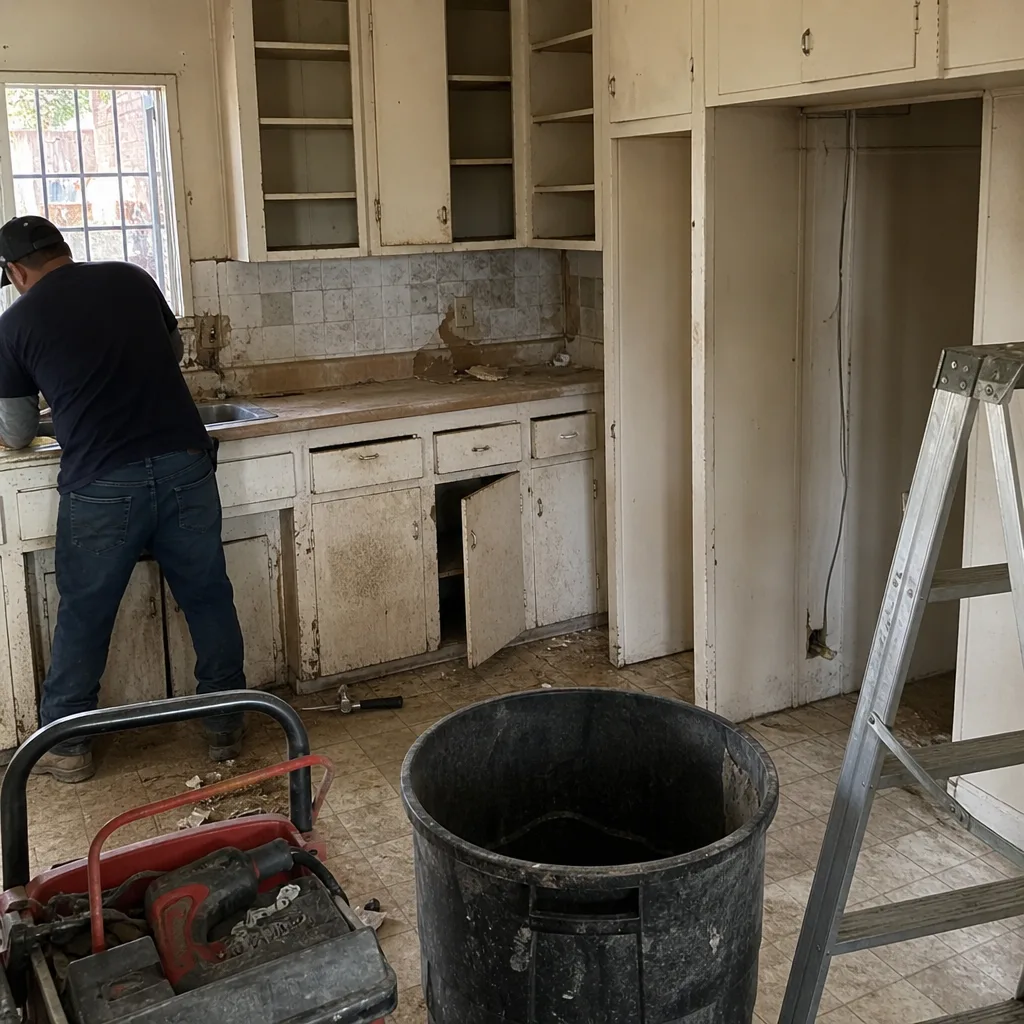 Before
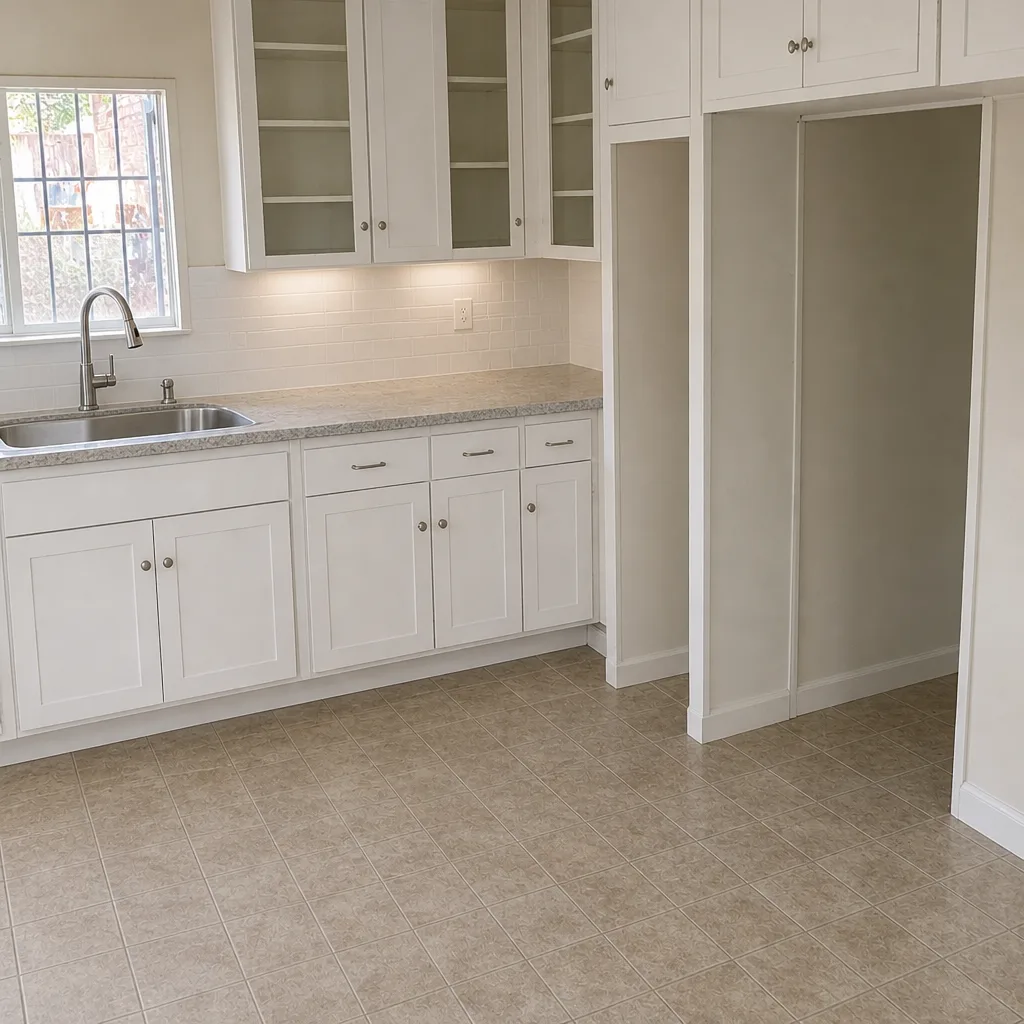 After
When to Call a Professional
Call a professional when the work needs a permit, when it touches a structural system or the building envelope, when it involves electrical or plumbing rough-in, when your insurer would review the work during a claim, or when the correction cost of a DIY mistake would exceed the labor savings. That covers roofing, windows and doors, additions and ADUs, kitchens and bathrooms, driveways and pavers, and full fence replacement in East Los Angeles. If you’re on the fence about whether your project crosses one of those lines, that’s a good reason to talk to someone. Construction East Los Angeles offers free estimates in East Los Angeles. Call (844) 320-6084. We answer 24/7. Fast dispatch from 7am to 7pm, Sunday through Friday. Our technicians have up to 8 years of experience, and we work across all seven service categories, so if you’re weighing one project against another, you’re getting advice from the same team that would do the work.
Frequently Asked Questions
It depends on the project. For painting, landscaping, and minor repairs, DIY is genuinely cheaper. For work that requires a permit or affects a structural system, the correction cost of a mistake usually makes professional work the less expensive path. Call (844) 320-6084 for a free estimate to compare against your DIY plan.
You can buy windows, but most replacements require a permit and Title 24 compliance documentation that homeowners can’t produce on their own. Windows also tie into the building envelope, where incorrect flashing leads to water intrusion. Call (844) 320-6084 for a free estimate and Title 24 review.
Yes. Insurers review permit history during a claim, and unpermitted work on structural systems can lead to a limited payout or a denied claim. The work doesn’t have to fail; the issue is that it isn’t on record. Call (844) 320-6084 to talk through what your project needs on record.
Structural changes, electrical work, plumbing rough-in, additions, ADUs, window replacement, and most roof replacements require a permit. Painting, landscaping, caulking, and minor repairs generally don’t. When in doubt, ask the city or county building department before starting. Call (844) 320-6084 for a free estimate on permitted work.
Not realistically as homeowner work. ADUs involve structural engineering, utility connections, and inspection that require licensed professionals. Prefab and modular systems reduce the timeline and coordination burden, but the site work still goes through the same review. Call (844) 320-6084 for a free estimate on site-built or prefab options.
A single contractor across multiple categories eliminates the sequencing gaps and coordination problems that come with managing several trades separately. If your project touches more than one category – roofing plus windows, or a kitchen plus an addition – one point of accountability is usually the lower-risk path. Call (844) 320-6084 for a free estimate that spells out the sequence.
The Bottom Line
The DIY decision is not a test of skill. It’s a calculation of permit exposure, insurance implication, and correction cost. Interior painting, landscaping, minor fence repair, and caulking are yours to do, and doing them well is a real win. Roofing, windows, electrical, plumbing rough-in, driveways and pavers, kitchens, bathrooms, additions, and ADUs are the other category. If you’re staring at that second list and trying to work out whether you can save money by going it alone, the math almost always favors a contractor’s written estimate once permits, tools, time, and rework are counted. Call (844) 320-6084 for a free estimate in East Los Angeles. The written estimate sets the final price.
Written by the team at Construction East Los Angeles.