Last updated November 18, 2026
Free written scope consultation - allowances, timeline, and change-order rules on paper before a single trade is scheduled
Driveway & Pavers Maintenance Checklist for East Los Angeles Homeowners
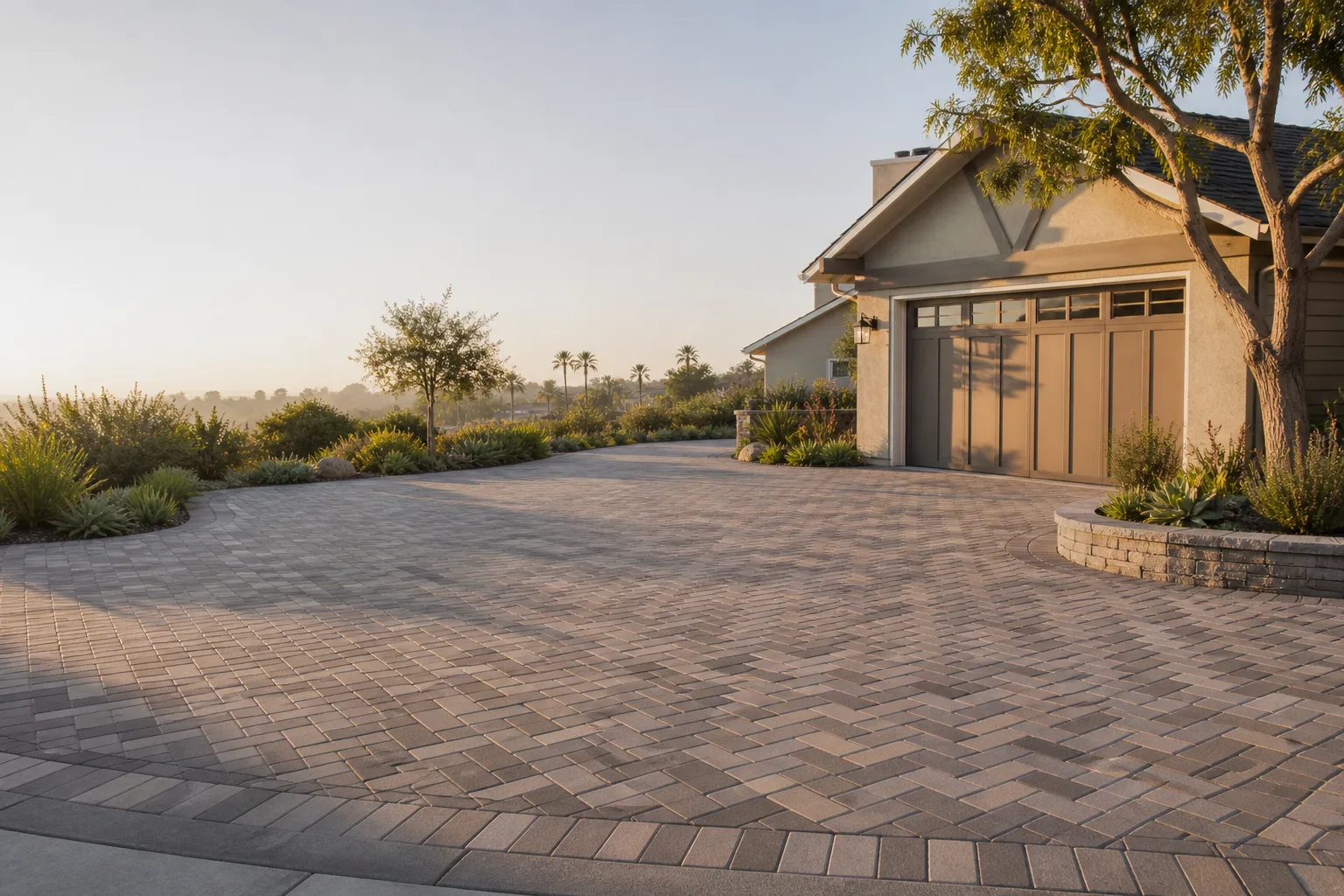
Most paver driveways here fail from something nobody can see: the base underneath. In our experience across East Los Angeles, a driveway can look perfectly flat for a year and a half while the joint sand leaks out and the subbase settles a fraction of an inch at a time. Homeowners usually spot the problem when the first hairline crack spreads across an edge course, which is well after the damage started. This guide is built for that reality: the seasonal maintenance schedule that actually protects a driveway in East Los Angeles, the products worth the money, when sealing helps and when it just hides a structural problem, and how to read your pavers for the difference. You’ll finish with a checklist you can run four times a year and a clear sense of which jobs are a weekend project and which need a crew.
Quick Answer
A paver driveway in East Los Angeles needs joint sand topped up or replaced about once a year, a penetrating sealer reapplied every two to three years (film-forming sealers far less often, and they’re usually a poor fit here), oil spot treatment before any reseal, and a weed-pull and edge check each time you do the sand. Concrete slabs need joint sealing, crack control and sealed cracks once damage appears. If a paved surface heaves, rocks, or shows depression at a wheel path, that’s a base issue, not surface wear, and no amount of sealer fixes it.
Styles & brands we work with
- Kitchen remodeling
- Bathroom remodeling
- Home additions & ADU
- Roofing
- Windows & doors
- Driveway & pavers
- Fence
Table of Contents
- Why East Los Angeles Driveways Age Faster Than You’d Think
- Expansive Clay Soil and What It Does to Paver Edges
- Joint Sand: The Right Product and the Annual Schedule
- Sealing: UV Exposure, Timeline, and When to Skip It
- Oil Stains From Street-Parked Vehicles: Step by Step
- The Seasonal Inspection Checklist
- Base Failure vs. Surface Wear: How to Tell Them Apart
- Mild Winters and Rain: Timing Your Maintenance
Why East Los Angeles Driveways Age Faster Than You’d Think
The climate here is mild, which is exactly why so many local driveways get neglected. There’s no freeze to force a repair, no snowmelt to make a homeowner’s list. What East Los Angeles does have is year-round sun, long stretches without rain, and clay-heavy soil beneath most of the residential blocks. That combination quietly works on a driveway in ways that a colder climate never would.
UV exposure does the visible damage. The sun breaks down sealer, dries out the sand in the joints, and fades pigment in stamped or colored concrete. Clay soil does the invisible damage. It swells when it absorbs water and shrinks as it dries, and that movement travels up through the base under a paver driveway. Oil from vehicles parked along the street or pulled partway onto the apron is the third stressor, and it’s the one most guides skip, because the drips land in the joint sand and on the face of the pavers and get smeared around the moment you try to clean them.
There’s a fourth stressor specific to East Los Angeles: the driveway apron. Most homes here have a short transition from sidewalk to garage, and that apron takes the brunt of vehicle weight, turning wheels, and runoff from the street. When a driveway in East Los Angeles starts to look tired, the apron is almost always where it shows first.
None of this means you need to rebuild the driveway. It means the maintenance schedule here has to account for clay movement, sun damage and oil at the same time, rather than treating the pavers like a decorative patio that only needs a rinse.
Expansive Clay Soil and What It Does to Paver Edges
Expansive clay is the reason East Los Angeles driveway maintenance is different from most of what you’ll read online. Clay holds water in ways sandy or gravelly soils don’t, and the fill beneath a driveway in East Los Angeles frequently contains enough of it that seasonal swelling and shrinking is normal, not a warning sign in itself.
What that movement does to a paver edge is subtle. The perimeter of the driveway, where the pavers meet lawn, a fence line, a curb, or the garage apron, is where the restraint is. If the edge restraint is loose, or if the base at the perimeter wasn’t compacted well enough, the pavers creep outward a little at a time. You’ll notice the pattern shifting, a growing gap at the outer course, or the joint sand in the perimeter opening wide.
The annual re-sanding schedule that actually counters this in East Los Angeles is:
- Inspect the perimeter first, walking the full outline with a screwdriver and checking whether the outer pavers move when you press down. Any movement means the edge restraint needs attention before sand goes back in.
- Clean the joints out with a stiff broom and a blower, removing old broken sand and any weeds.
- Refill with a quality polymeric sand (more on selection in the next section) and follow the moisture setting instructions exactly, because the way polymeric sand binds depends on correct wetting.
- Reassess edge restraint annually. If the outer pavers keep shifting, the restraint needs repair before resealing, because sealing over a loose edge just locks in a problem.
A paver installed on a properly compacted base over a functioning drainage layer will ride out clay movement with routine annual maintenance. A paver installed on a base that was never compacted will not, and the annual checklist is where you find out which one you have. For a full replacement where the base needs to be rebuilt, see our driveway & pavers work.
Joint Sand: The Right Product and the Annual Schedule
Joint sand is the single most important maintenance item on a paver driveway, and it’s the first thing homeowners skip. Sand is the interlock. It keeps the pavers from moving against each other under the weight of a vehicle, and it keeps weeds and water from doing the same thing.
What gets put back in matters. Cheap fill sand from the hardware store is fine for a kids’ sandbox. On a driveway in East Los Angeles, it washes out in the first serious rainstorm and never forms a stable interlock, so you end up re-doing it twice a year. Polymeric sand binds when properly wetted and holds up to UV and traffic much longer.
The polymeric sand brands worth specifying for East Los Angeles driveways are Techniseal and Alliance Gator. Both are widely available and both make joint-stabilizing formulas for pavers, but they behave differently in application and drying, so the right choice depends on the paver type, the joint width and the weather window for setting. Stick with a named brand and you get predictable color, predictable setting, and a joint that survives a rainy season without turning into a weed bed.
The annual re-sanding schedule is straightforward and it’s not a full replacement:
- Every spring (or early in the dry season): inspect, top up and re-set joint sand.
- Mid-year: inspect for blowouts after any heavy rain and touch up localized areas.
- Every two to three years: a fuller re-sanding where the joints are emptied and refilled, typically combined with resealing.
The single most common reason a paver driveway in East Los Angeles starts creeping inward before it’s even a decade old is skipping the annual sand and letting the interlock fail quietly.
Sealing: UV Exposure, Timeline, and When to Skip It
Sealer is where the strongest opinions in the trade live, and the honest answer for East Los Angeles is that the right sealer matters less than the right kind of sealer. Two broad families exist: penetrating sealers and film-forming sealers. They age very differently under the sun that a driveway in East Los Angeles gets.
Penetrating sealers soak into the paver and form a barrier below the surface. They don’t change the appearance much, they don’t peel, and when they wear off they fade gradually rather than flaking. Under intense UV, realistic reapplication on a driveway is every two to three years, and on a heavily sun-exposed surface, closer to two. Manufacturer label claims for longer intervals generally assume a mild climate and a surface with less constant exposure.
Film-forming sealers sit on top of the paver as a coating and can look great when fresh. On a driveway in East Los Angeles, though, that film gets worn by vehicle traffic at the wheel paths, discolors under sun and oil, and starts to flake at a much shorter interval than the penetrating sealer wears off. When it does, the worn coating can look worse than an unsealed surface, and removing it before the next coat is more work than the original application.
Our practical recommendation for East Los Angeles pavers is a penetrating sealer on the wheel paths and high-traffic zones, and a film-forming sealer held back for decorative patios and walkways where foot traffic is the only load. Reapply on the penetrating schedule regardless of what the label hopes for. If the pavers are showing joint erosion or movement, seal the sand and base first. Sealing a failing surface just locks in the failure.
One more East Los Angeles-specific point: never seal when rain is forecast within the setter’s cure window, and never seal in the heat of the afternoon, because both interfere with the way the product bonds. Morning applications on a dry, clean surface give the best results.
Oil Stains From Street-Parked Vehicles: Step by Step
Oil is the maintenance item most local homeowners face and almost none plan for. When vehicles park along the street or pull partway onto a driveway apron in East Los Angeles, they leave oil drips on the pavers and in the joint sand. The mistake is to reach for a solvent, scrub hard, and lift the joint sand in the process. The right sequence treats the stain without disturbing the interlock.
- Soak up fresh oil immediately with an absorbent powder (kitty litter, sawdust, or a commercial absorbent). Leave it for a few hours, sweep it up, and repeat if oil is still visible. Never scrub a fresh spill, because that pushes oil deeper into the paver.
- Apply a paver-safe degreaser to the stained area and let it sit according to the manufacturer’s directions. Work on a day when rain isn’t expected for at least 24 hours.
- Lift the stain with a mild TSP solution if the degreaser doesn’t fully remove it. TSP is stronger than most household cleaners, so use it at the dilution on the label, keep it away from plants and grass at the edge of the driveway, and rinse thoroughly afterward.
- Rinse with low pressure, not a high-pressure blast aimed directly into the joints, because pressure is what blows joint sand out. Use a fan-tip nozzle and keep the stream angled across the surface.
- Re-sand the joints in the treated area if any sand was displaced during cleaning, then reseal the whole driveway rather than just the spot, so the finish stays uniform.
On stamped concrete, the same sequence works, but skip the pressure-rinse entirely and use low-pressure water with a soft brush. The stamped pattern holds oil differently in the recesses and needs a gentler hand on the cleaning step.
The Seasonal Inspection Checklist
A four-times-a-year walk-around catches almost everything before it turns into a repair, and on a paver or concrete driveway in East Los Angeles it takes maybe fifteen minutes each time. What you’re looking for is change: joints that open wider than last season, pavers that rock, stains that don’t lift, cracks that spread.
The checklist, in order:
- Walk the perimeter, checking for movement, popped edge restraint, and gap growth at the outer courses.
- Inspect the joints for sand loss, weed growth, and dark streaks where water is pooling instead of draining.
- Look for joint sand blowouts after any heavy rain, which usually appear near the apron and along the low edge of the driveway.
- Check drainage, confirming water runs off the pavers toward the street or a proper drain rather than toward the foundation of the house.
- Inspect stains, noting new oil, rust, or organic staining and treating it before sealing season.
- On concrete, walk the full slab looking for new cracks, sealed joints that have opened up, and any spot that’s holding a puddle after rain.
- Note anything that moves underfoot, because pavers that rock mean the base underneath has settled.
Log each inspection. After two or three seasons you’ll have a real picture of how your particular driveway in East Los Angeles behaves, which is worth more than any generic maintenance schedule.
Base Failure vs. Surface Wear: How to Tell Them Apart
Sealing over a failing base is the most expensive mistake in driveway maintenance, because it hides a structural problem behind a new surface and puts off the repair another year. The trick is to know what base failure looks like before you buy a bucket of sealer.
Surface wear looks like:
- Faded color from UV
- Worn or missing joint sand
- Oil and organic stains
- Weeds and moss at the joints
- Sealer that’s thinning unevenly, with a lighter patch where traffic is heaviest
Base failure looks like:
- Settling or a low spot at the wheel paths, especially where the front tires sit
- Pavers that rock underfoot
- A pattern that’s shifted or spread at the perimeter
- Joint sand draining out of an area continuously, no matter how much you re-sand
- Water pooling at the base of the driveway with nowhere to drain
If a driveway in East Los Angeles shows any of the second group, the fix is regrading and recompacting the base, not sealing. On concrete, the equivalent is a crack that keeps reopening, or a slab that’s sunk at a corner. Those need slab lifting or replacement, not a sealer coat. If your driveway has reached that point, our driveway & pavers team can assess the base and give you a written estimate for a rebuild.
Mild Winters and Rain: Timing Your Maintenance
East Los Angeles winters are mild, which makes outdoor maintenance possible almost year-round, but the timing of the rainy season still sets the schedule. The wet season matters because that’s when joint sand gets tested, when moving clay puts the most stress on the base, and when you can’t seal for days at a time.
The annual rhythm that works here:
- Before the wet season: re-sand joints, reseal if the last coat is due, clear the drainage path, and reseal concrete cracks. Getting this done first means the surface is protected when the rain arrives.
- During dry months: treat oil stains before they set, inspect perimeters, and do the deep re-sand and reseal.
- After any heavy rain: walk the driveway and look for sand loss, standing water, and pavers that have moved.
- Annually: check the edge restraint and the apron, especially if vehicles turn onto the driveway from the street and put lateral load on it.
Because the winters are mild, there’s no freeze to worry about and no frost heave to break up a slab. That means the main enemies here are sun, clay movement and oil, and the schedule above is built to address them in the order they do damage.
Common Mistakes to Avoid
- Sealing a driveway without cleaning the joints first. Sealer traps dirt and old sand in the joints, which then loosen the interlock and shorten the seal’s life. Clean the joints, re-sand where needed, and only then seal.
- Using cheap fill sand in the joints. It washes out in the first rainy season and never forms a stable interlock, so you re-do the job twice instead of once. A polymeric product from a named brand holds up far better in East Los Angeles.
- High-pressure washing the joints. A pressure washer aimed at the joints blows the sand out and destabilizes the pavers, and that damage doesn’t show until the next rainfall. Use low pressure and a fan tip.
- Putting oil stains off until the next reseal. Oil that sits on a paver stains deeper over time and can discolor the finish permanently. Treat it in the first days, using absorbent followed by a paver-safe degreaser.
- Assuming a settling paver is just “normal wear.” Any paver that rocks or settles underfoot is reporting a base problem. Sealing it hides the problem and postpones the real fix.
- Skipping the perimeter. Edge restraint is where driveway failure usually starts, and it’s the one item most homeowners never check. Walk the full outline at least once a year.
- Sealing in high sun or before rain. Both interfere with how the sealer cures. Read the label and match the application to the actual forecast, not the day you happen to be free.
See the difference
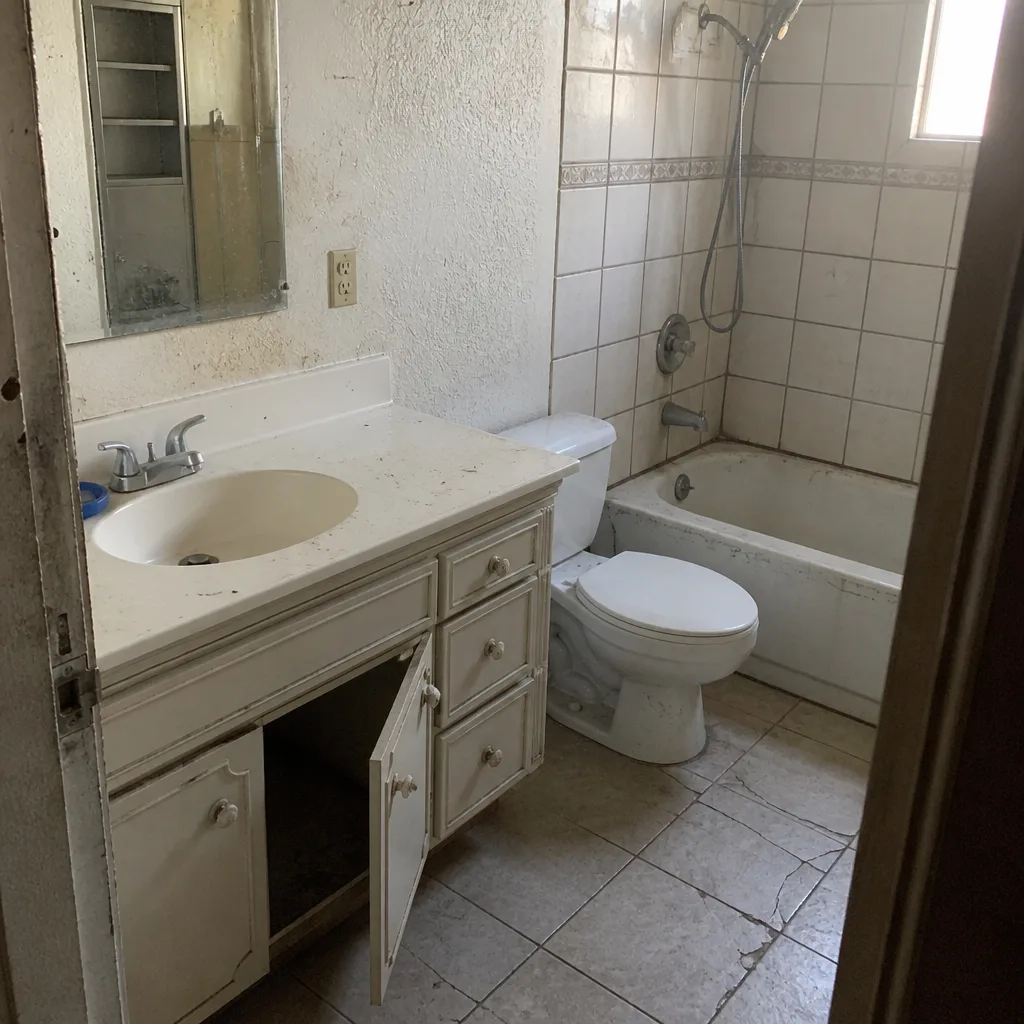 Before
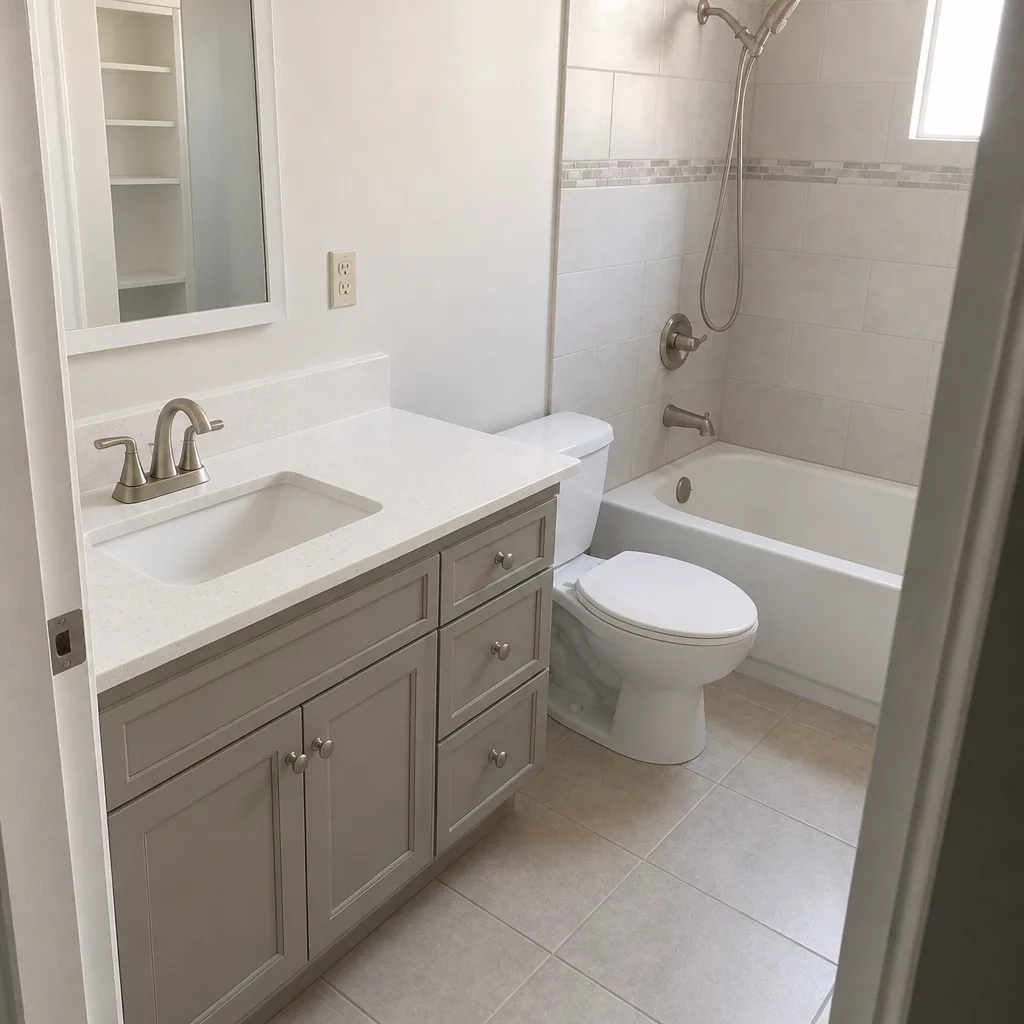 After
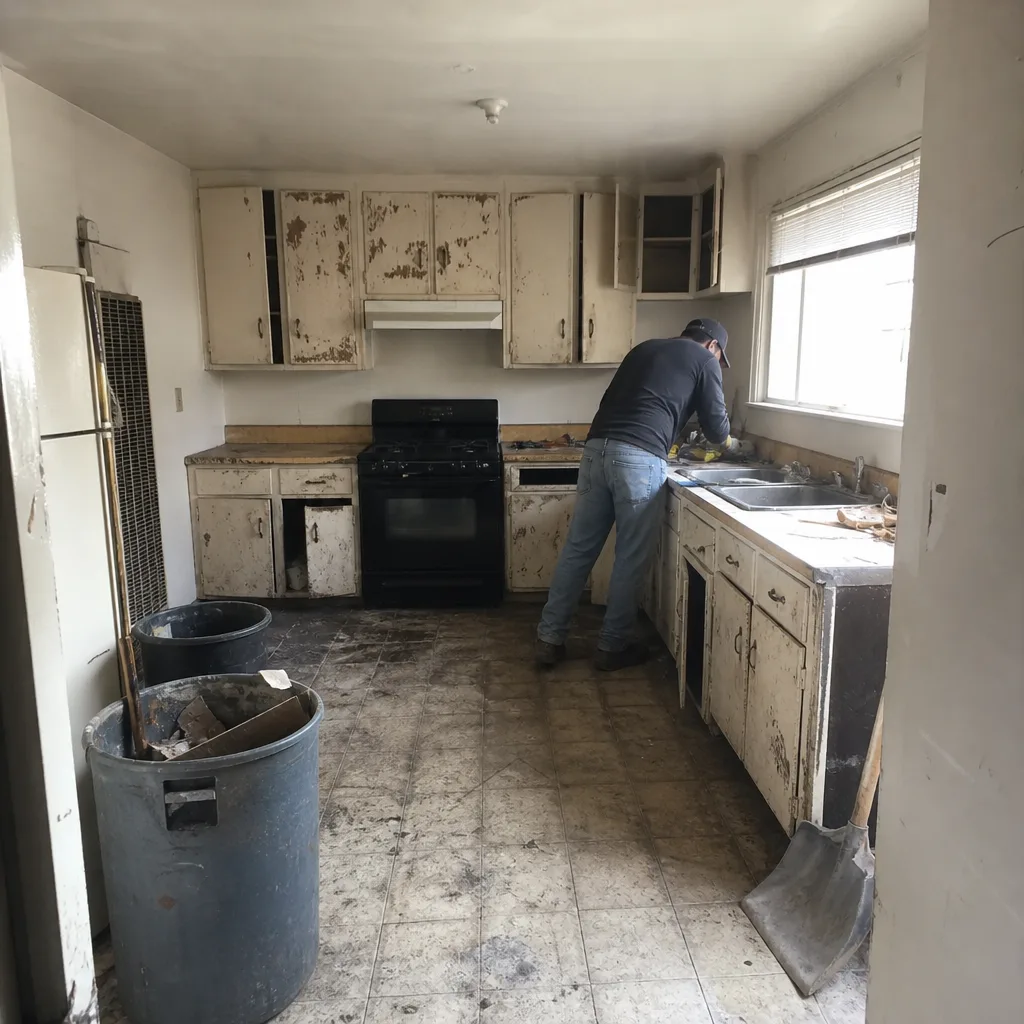 Before
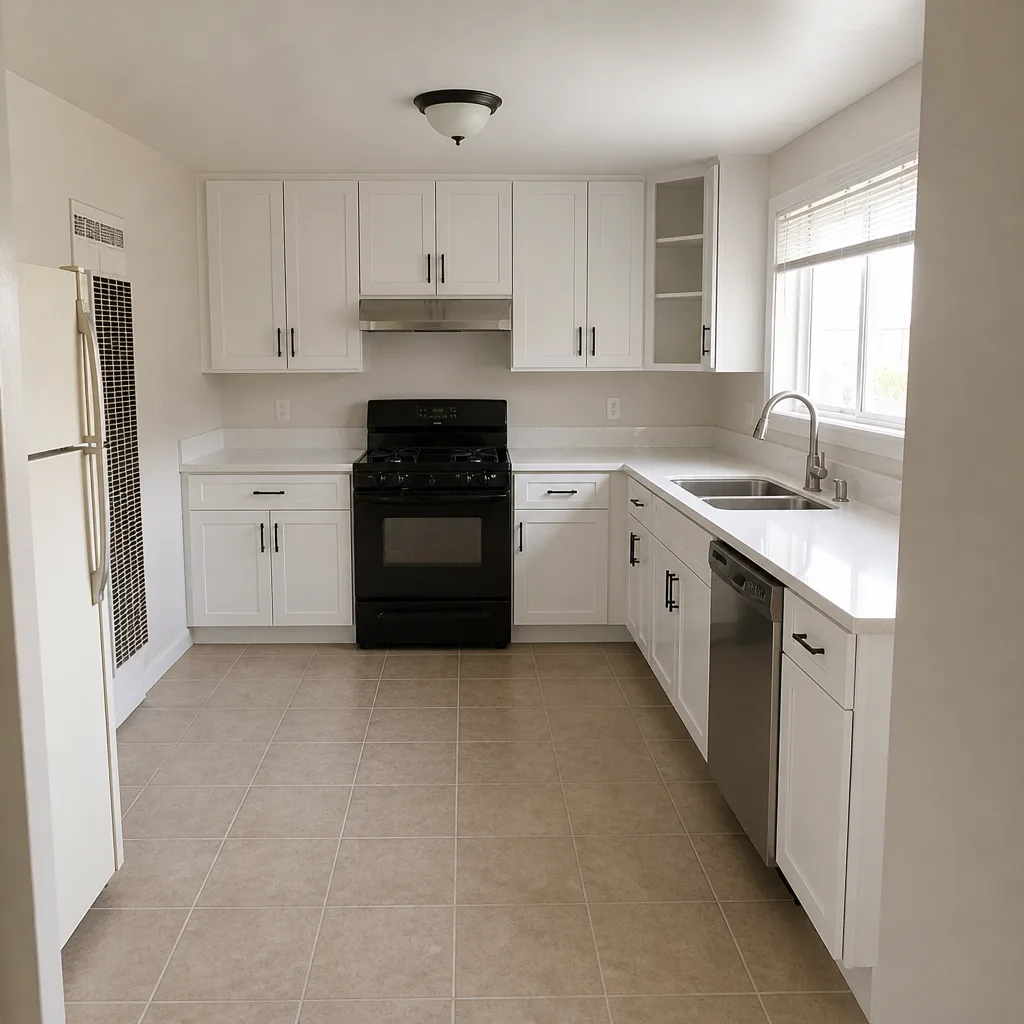 After
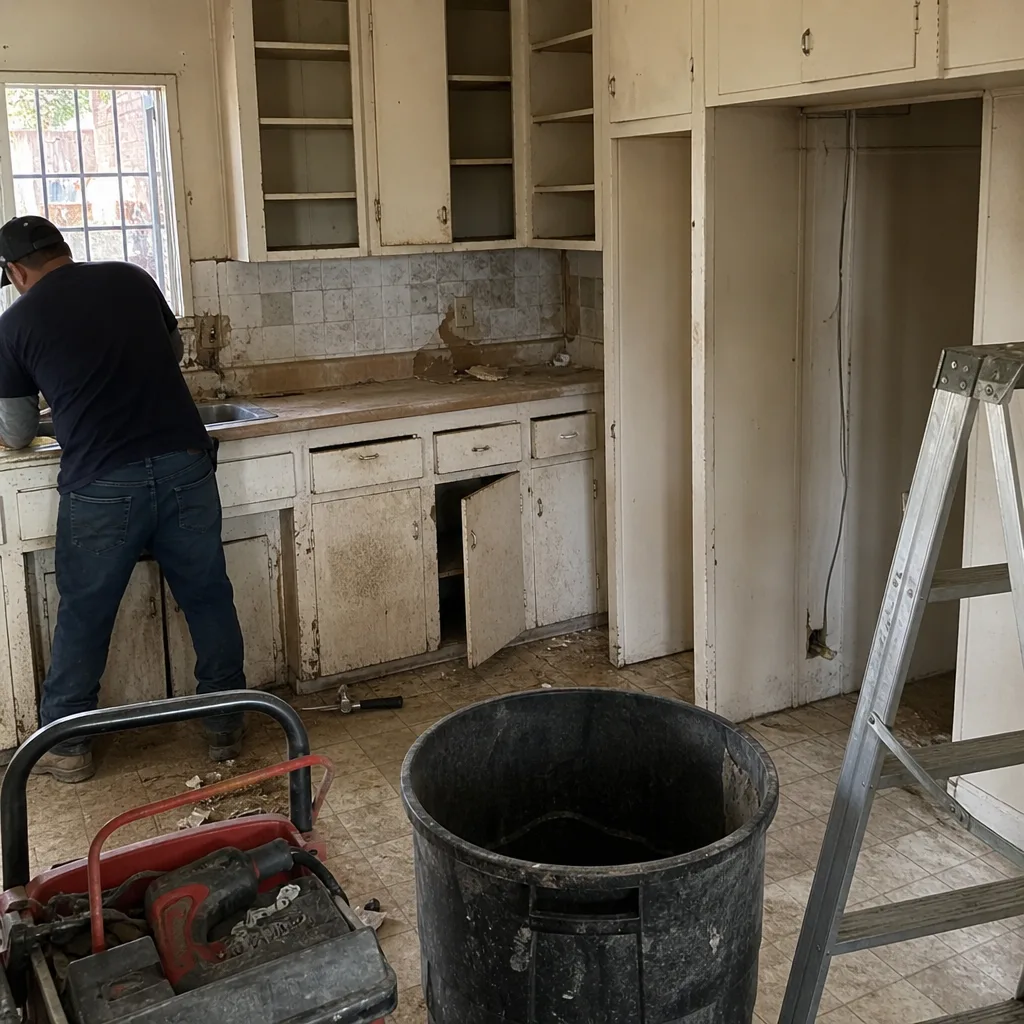 Before
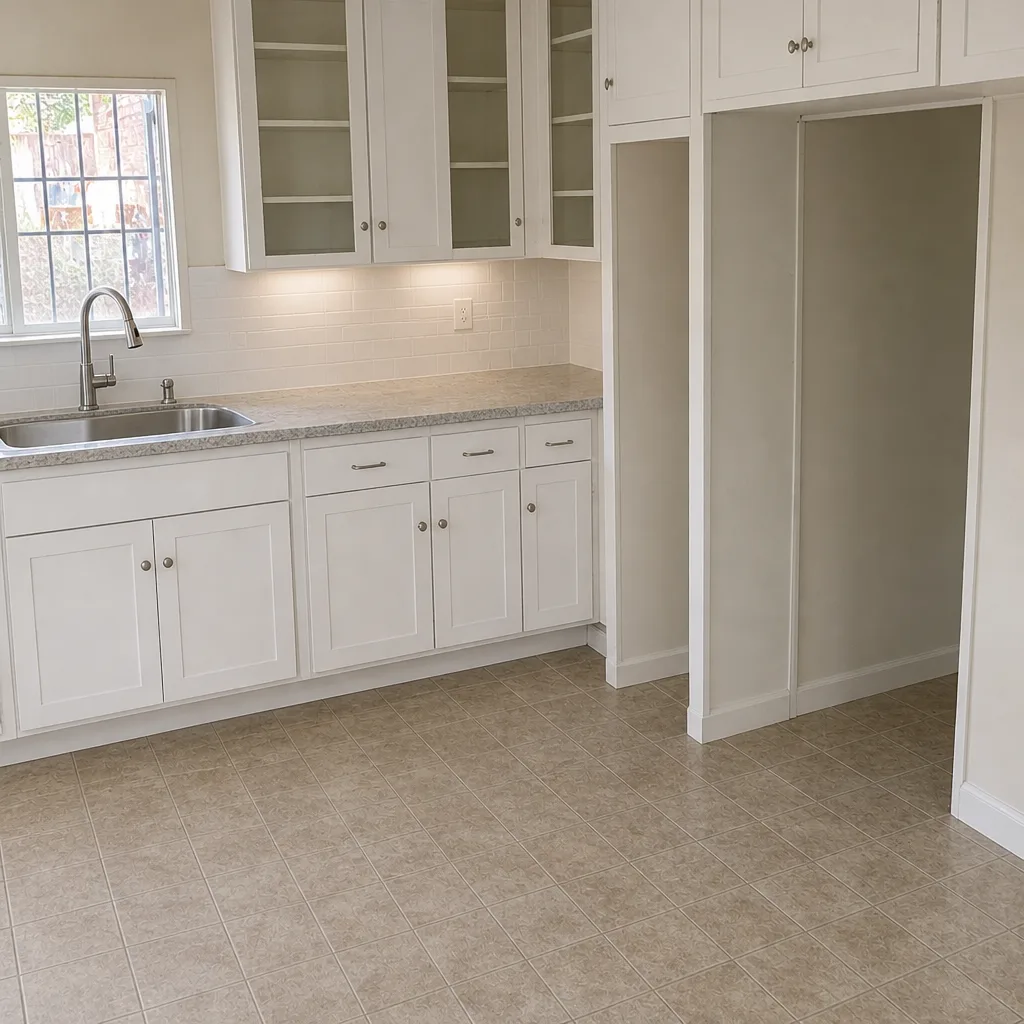 After
When to Call a Professional
Most of the checklist above is genuinely DIY-safe, but a few situations call for a crew. Call a professional if pavers are rocking underfoot, if the pattern has shifted or the perimeter is spreading, if joint sand continues to drain out of the same area after two seasonal re-sandings, if the base at a wheel path has visibly settled, if a concrete driveway has a crack that keeps reopening, or if the edge restraint is broken. Any of those means the base needs to be opened up and regraded, not patched. Construction East Los Angeles offers free estimates in East Los Angeles, and we install pavers from several leading brands including Belgard, Unilock and Tremron so the material choice is matched to your driveway, not picked for you. Call (844) 320-6084 and we’ll book a time to walk the surface with you.
Frequently Asked Questions
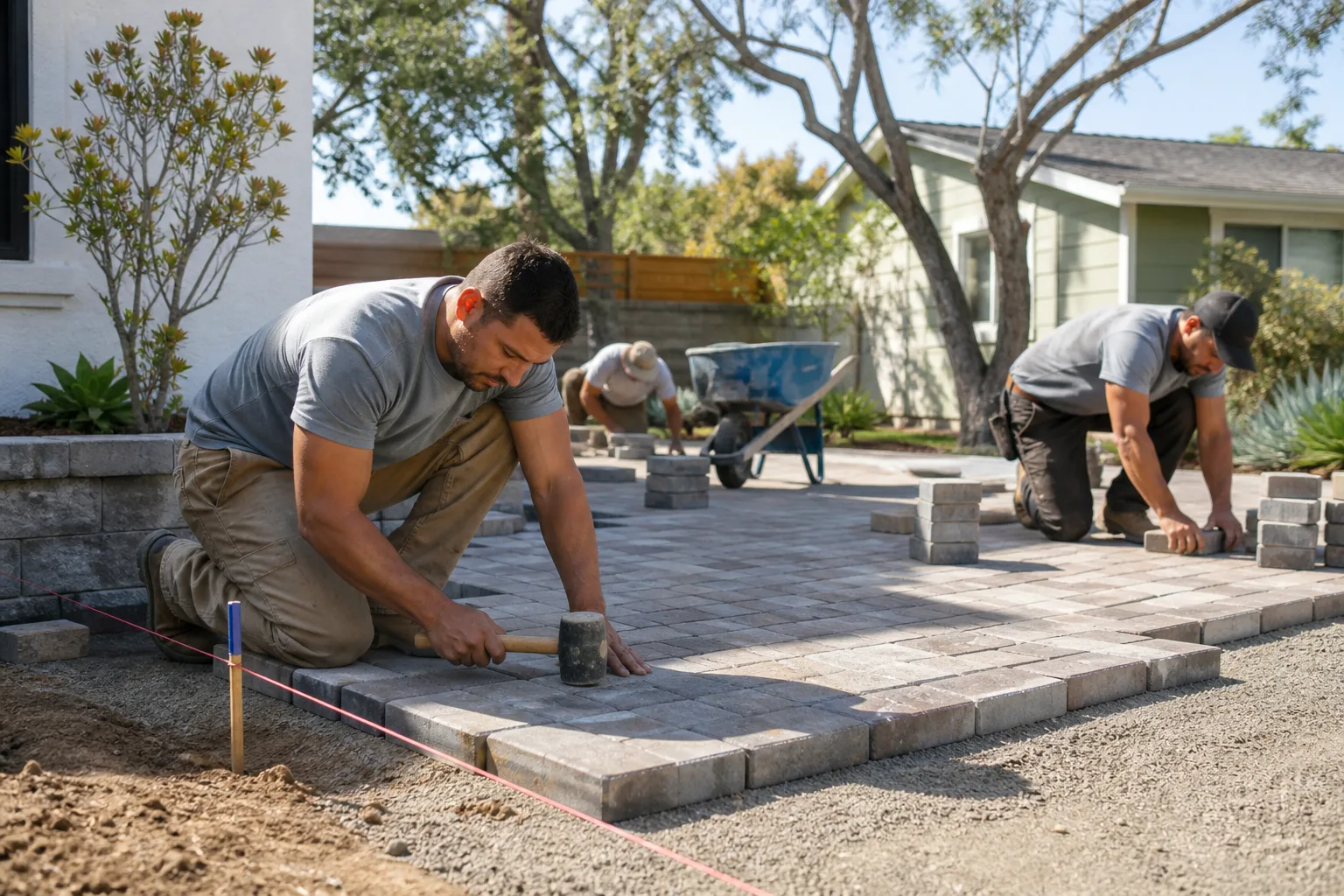
A paver driveway in East Los Angeles should have its joints inspected and topped up once a year, with a fuller re-sanding every two to three years. Clay movement and oil drip make annual inspection essential, because sand loss is gradual and usually shows up as movement at the perimeter before it’s visible in the middle. Call (844) 320-6084 for a free estimate if the joints keep losing sand after a re-sand.
No. A penetrating sealer on East Los Angeles pavers realistically needs reapplying every two to three years under the UV exposure here, not annually. Film-forming sealers wear and flake faster under traffic and sun, so they generally need attention sooner, and they’re usually the wrong choice for a driveway. Call (844) 320-6084 for an exact quote on sealing.
Base failure shows as pavers that rock underfoot, settling at the wheel paths, a spreading perimeter, or joint sand that keeps draining out of the same area. Surface wear is faded color, worn sand, stains and weeds, without movement. If you can’t tell which one you have, call (844) 320-6084 and we’ll assess the base before recommending any sealant.
Absorb the fresh oil first with kitty litter or sawdust, then use a paver-safe degreaser, then lift stubborn spots with a diluted TSP solution, and rinse with low pressure rather than a high-pressure blast. Treat any re-sanding after cleaning and reseal the whole driveway so the finish stays even. If you’d rather have a pro handle it, call (844) 320-6084 for a free estimate.
No. Every project starts with a written line-item estimate, and that written estimate sets the price. If the base under a paver driveway needs more work than the estimate assumed, you hear about it before any additional work begins, and nothing gets added without your approval. Call (844) 320-6084 to schedule a free estimate.
A paver driveway installed on a properly compacted base and maintained on the annual schedule above should hold up well for decades, and the maintenance is what protects that lifespan. The two things that shorten it most are skipped joint sand and missed signs of base movement. If the surface is starting to show movement, call (844) 320-6084 for a free assessment before doing anything else.
The same one-contractor approach applies if you’re also planning a fence installation or a home additions & ADU alongside a driveway rebuild. And when it’s time to plan the whole exterior as one project, see our construction East Los Angeles overview for the full scope.
The Bottom Line
A driveway in East Los Angeles is on borrowed time the moment it’s installed unless you maintain it, because clay movement, UV and oil work on it year-round. The core of the schedule is simple: check the perimeter and joints each season, top up joint sand with a named polymeric product every year and re-sand fully every two to three years, reseal with a penetrating sealer on the two-to-three-year cycle, treat oil stains the moment you see them, and treat any movement underfoot as a base problem rather than a surface one. That schedule costs very little compared to a rebuild, and every item on it is within reach of a homeowner. Our team installs with Belgard, Unilock and Tremron pavers and can walk your surface for a free estimate. The written estimate sets your price. Call (844) 320-6084 today to schedule your free estimate. We answer 24/7. Fast dispatch from 7am to 7pm, Sunday through Friday.
Written by the team at Construction East Los Angeles.