Last updated November 18, 2026



Free written scope consultation - allowances, timeline, and change-order rules on paper before a single trade is scheduled
Seasonal Construction Care for East Los Angeles: Year-Round Homeowner’s Guide
Most seasonal maintenance advice was written for a place that gets snow, ice and a long winter shutdown. East Los Angeles doesn’t work that way. We get a short wet season, a hot dry stretch, and two wind-driven transition periods that do more damage to a house than any freeze ever would. The Santa Ana wind events that sweep through every fall regularly push gusts past 50 mph, which is plenty to lift a poorly fastened ridge cap, force debris under roof flashing, and rock a fence post whose footing was never set deep enough. That’s the frame this guide uses. Instead of “check your roof twice a year,” you’ll get material-specific tasks tied to the four maintenance windows that actually matter here: pre-wind, pre-rain, post-rain, and peak UV.
Styles & brands we work with
- Kitchen remodeling
- Bathroom remodeling
- Home additions & ADU
- Roofing
- Windows & doors
- Driveway & pavers
- Fence
Quick Answer
East Los Angeles runs on four maintenance windows, not four traditional seasons: a pre-Santa Ana wind checklist in September and October, wet-season prep in November, a post-rain inspection in February and March, and UV-peak sealing and sealant work in June through August. Each window targets specific material failures – ridge caps and fence footings before the wind, gutters and thresholds before the rain, efflorescence and joint sand after it, and caulk and concrete sealer during the heat. Doing the right task in the right month costs far less than repairing what a missed window leaves behind. If you’d rather have the work scoped and sequenced by one contractor, call (844) 320-6084 for a free estimate.
Table of Contents
- Why East Los Angeles Has Four Maintenance Windows, Not Four Seasons
- Pre-Santa Ana Checklist: What to Inspect in September and October
- Wet-Season Prep in November: Gutters, Drains and Stucco Penetrations
- Post-Rain Inspection Protocol for February and March
- UV Peak Tasks: Sealing Concrete, Pavers and Window Seals in Summer
- Why East LA’s Temperature Swings Age Caulk and Sealant Faster
- The Material Calendar: What to Do When, By System
- Common Mistakes to Avoid
- When to Call a Professional
- Frequently Asked Questions
- The Bottom Line
Why East Los Angeles Has Four Maintenance Windows, Not Four Seasons
East Los Angeles sits in a basin where the weather doesn’t change gradually. It changes in events. A wet season that concentrates its rain into a few months. A hot stretch where afternoon temperatures push to 100°F and the overnight low in summer can still drop near 40°F. And two wind transitions on either side of the year that arrive fast and hit hard.
That pattern means a house here doesn’t wear out evenly. It wears out in bursts, at the seams and connections where two materials meet. Sealant at a window frame. The mortar joint where a block wall meets a stucco wall. The sand between paver joints. The nails holding a ridge cap. Those are the failure points, and each one has a specific window when a few hours of work prevents a much larger repair.
This is why a general “spring cleaning” checklist falls short in East Los Angeles. By the time spring arrives, the rain has already tested every flashing and threshold on the property. The work you want to do is ahead of the weather, not behind it. Here’s how the year actually breaks down:
- September – October: Wind hardening. Fasten, torque, screen and seal before the Santa Anas.
- November: Water management. Clear, channel and re-caulk so the first storms drain away from the structure.
- February – March: Post-rain inspection. Read what the wet season revealed and fix it before the heat sets it in place.
- June – August: UV protection. Re-seal hardscape and check every exterior sealant for chalking and shrinkage.
The rest of the year is for the planned work – the roof replacement, the driveway & pavers project, the addition. Doing that work in the shoulder months means it’s finished and cured before the next window opens. In our experience, homeowners who plan around these four windows spend less on reactive repair and get more years out of the materials they already have.
Pre-Santa Ana Checklist: What to Inspect in September and October
The Santa Ana wind events are the single biggest structural stressor on an East Los Angeles home, and they arrive with little warning. A gust over 50 mph doesn’t just blow leaves around. It finds every loose fastener, every lifted shingle edge and every gap in a fence line. September and October are your window to get ahead of them, before the first event forces the issue.
Here’s the inspection sequence we recommend, in order of what fails first:
- Ridge caps and hip caps. Walk the roof line from the ground with binoculars, or have it inspected safely up top. Look for caps that are lifting at the edge, missing granules along the fold, or nails that have backed out. A ridge cap that’s already loose is the first thing a strong gust takes.
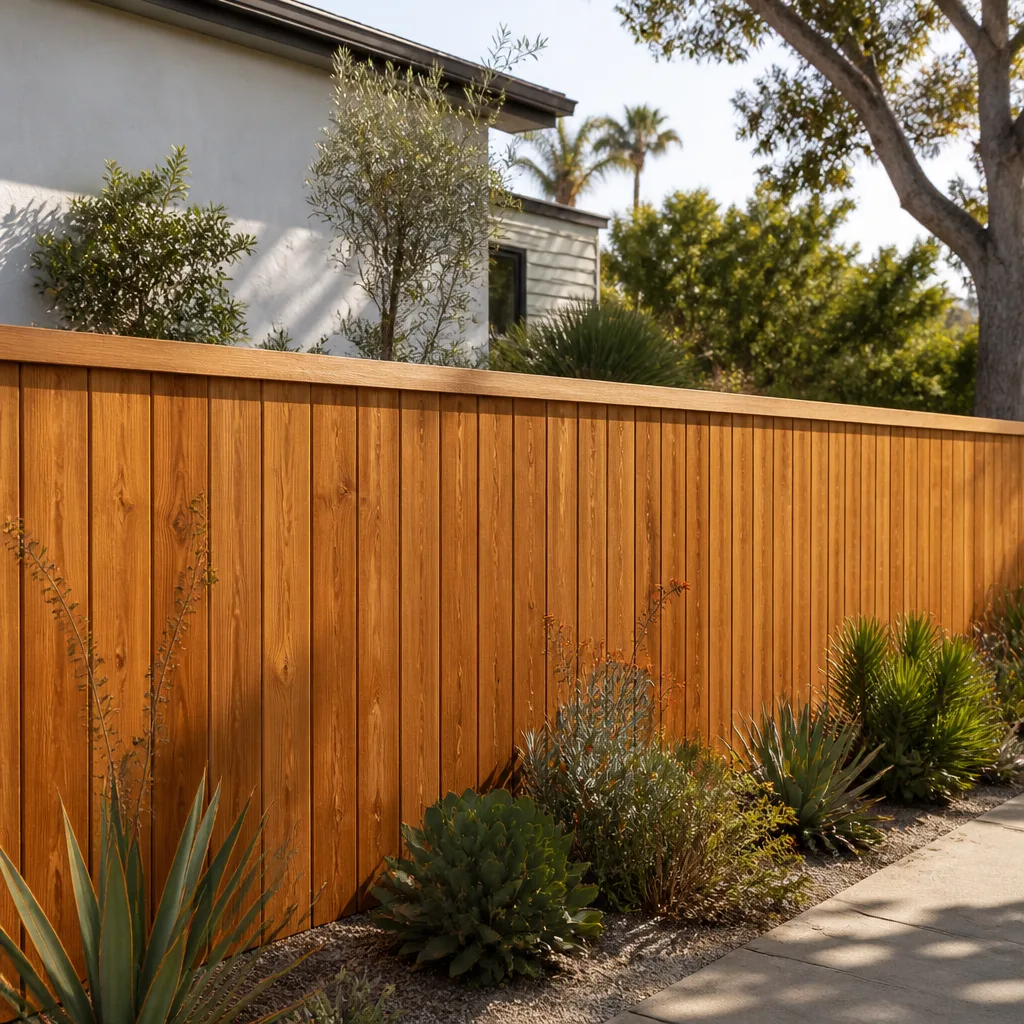
- Fence post footings and hardware. Push each post at the top and watch the base. A post that moves more than a fraction of an inch has a footing that’s too shallow or hardware that’s loosened. Check gate hinges and latches too; a gate that slams in the wind will pull its posts out of alignment over a season.
- Window screens and frames. Press on each screen frame to confirm it’s seated. Screen that’s loose will flex in a gust and can pop out entirely. Run a hand along the exterior frame sealant and note any gap, crack or separation.
- Roof flashing and vents. Debris pushed under flashing during a wind event is what causes the leak you find in January. Confirm the flashing at valleys, chimneys and vent stacks is tight and the sealant is intact.
- Patio covers, pergolas and shade structures. Anything overhead that catches wind is a liability. Check anchors, connections and any fabric or panel that could tear free.
If your fence is at the end of its life, the pre-wind window is the right time to replace rather than repair. A fence system built with proper post depth and quality hardware – lines like Bufftech or ActiveYards, or a Jerith aluminum system where you want a longer service life – handles wind events far better than a patched-together line. Our fence installation work is planned around exactly this timing so the new fence is set before the season turns.
One safety note: roof inspection means height, and height means risk. If you’re not comfortable on a ladder or a pitched roof, don’t climb it. A trained professional can inspect ridge caps and flashing safely and give you a written scope of what needs attention.
Wet-Season Prep in November: Gutters, Drains and Stucco Penetrations
East Los Angeles gets its rain in a concentrated stretch, which means the systems that move water away from the house have to handle a season’s worth of volume in a handful of storms. November is when you clear, channel and seal so that water goes where it’s supposed to go.
Gutter clearing to an East LA standard
The debris load here is heavier than most homeowners expect. Street trees, dry-season dust, and the grit that blows in during wind events all collect in gutters and downspouts. Clearing once in November and again after the first big storm is the baseline. Downspouts should discharge well away from the foundation, not dump at the base of the stucco. If water pools against the wall, you’ll see it as staining or efflorescence by spring.
Driveway drain channels and grades
Walk your driveway and patio after the first rain and watch where water actually goes. Low spots at the garage threshold and along the edge of a slab are where water sits and eventually works under the surface. A drain channel that’s clogged with debris does nothing. Clear it, and confirm the slab still slopes away from the structure. If a low spot has gotten worse over the years, that’s a sign the sub-base has settled and the surface needs attention.
Re-caulking stucco penetrations
This is the task most East Los Angeles homeowners skip, and it’s the one that matters most. Stucco is a good wall system, but it relies on the sealant at every penetration: window and door frames, hose bibs, vent hoods, electrical boxes, and the joint where an addition meets the original wall. Water that gets behind stucco through a failed seal doesn’t drain out quickly. It sits against the framing and sheathing.
Use a paintable exterior sealant rated for stucco and masonry, and tool it into the joint so it has contact on both surfaces. Don’t just smear a bead over the top. Anywhere a gap has opened to more than a hairline, cut out the old material first. If you’re planning a larger exterior project, coordinating this with your construction East Los Angeles work is the efficient path, because the same crew that seals a penetration can confirm the flashing behind it is correct.
Post-Rain Inspection Protocol for February and March
By late February, the wet season has done its testing. This is the most valuable inspection of the year because the house is telling you exactly where it failed. Read the evidence before the heat dries everything out and hides it.
Work through these checks in order:
- Efflorescence on block walls and stucco. That white, powdery staining is mineral salts carried to the surface by water moving through the masonry. A light bloom on a block wall is normal. Recurring efflorescence in the same area, especially at the base of a wall or under a window, means water is getting in and staying in.
- Driveway and paver joint sand wash-out. Rain and runoff wash the sand out from between pavers and out of expansion joints in concrete. Where joints are visibly low or the sand is gone, the pavers can shift underfoot. Plan to re-sand after the wet season ends and the surface is dry.
- Roof valley debris accumulation. Valleys collect leaves, grit and shingle granules. A blocked valley forces water sideways under the shingles instead of down the channel. Clear it and check that the valley metal is intact.
- Interior water staining. Check ceilings and the top of walls in every room, especially under roof valleys and around chimneys. A faint ring now is a flashing issue that will grow. Note it and get it looked at.
- Fence line movement and gate alignment. Wet soil plus wind is the combination that tilts posts. Walk the fence line and check for lean, and confirm gates still close cleanly.
The reason to do this in February and March rather than later is timing. Roof repair, sealant work and paver re-sanding all need dry conditions to cure properly. If you diagnose in late winter, the work can be scheduled for the dry stretch that follows instead of getting squeezed in when the heat is already stressing the materials.
UV Peak Tasks: Sealing Concrete, Pavers and Window Seals in Summer
From June through August, the sun does its own kind of damage. Ultraviolet light breaks down the polymers in sealers and the elastomers in sealant. It also drives the daily temperature swing that opens and closes every joint on the exterior of the house. Summer is the time to protect surfaces before they oxidize and to catch sealant that’s already failing.
Re-sealing concrete and pavers
Concrete and paver surfaces need a sealer to resist staining, UV fading and moisture penetration. The window for reapplication depends on the product and the exposure, but the practical rule for East Los Angeles is to check in early summer and reapply before the surface starts to look chalky or porous. A simple test: pour a small amount of water on the surface. If it beads, the sealer is still working. If it soaks in immediately, it’s time.
Apply sealer early in the day when the surface is cool and the forecast is dry for a couple of days. Applying it onto a hot slab causes it to flash off before it penetrates, which wastes the product and leaves a patchy finish. For driveways and patios built from Belgard or a comparable paver line, confirm the sealer is compatible with that product’s finish before you buy it.
Checking window seals for chalking and shrinkage
Run a finger along the exterior sealant at each window and door. If it comes away with a chalky residue, the sealant has broken down. If you can see a gap or a crack where the sealant has pulled away from the frame or the stucco, it’s already letting water in. Summer is when this is easiest to spot, because the heat has opened the joints to their widest point.
When you replace a window or door, the seal at the frame is set during installation, and doing it right the first time matters more than any maintenance. Our windows and doors work uses flashing and sealant specified for stucco construction, so the seal has the best chance of holding through many seasons. If you’re replacing windows as part of a larger remodel, the sequencing matters – roofing before windows, so no finished work gets damaged by the next phase.
Why East LA’s Temperature Swings Age Caulk and Sealant Faster
Here’s the thing that separates East Los Angeles from the coastal neighborhoods to the west. Our temperature range is wider. A summer day that reaches 100°F can still drop toward 40°F overnight. That daily swing is a mechanical force. Every joint in the exterior of your house opens and closes a little each day, and the sealant in those joints has to stretch and compress to keep up.
Sealant is a wear item. It’s designed to flex, and it does flex well, but every cycle uses up a little of its elasticity. In a mild coastal climate where the daily swing is small, a bead of caulk might last many years. Here, the same bead sees a much larger range each day through the summer, and it fails faster. That’s why a sealant job that looks fine on a cool morning can be cracked open by afternoon.
The same logic applies to exterior paint, stucco patches, and the mortar in block walls. All of them move with the temperature. The practical takeaway is not to fight the movement but to use materials that are designed for it and to check the joints more often than a generic maintenance guide would suggest.
- Use elastomeric sealants at stucco and masonry joints, where movement is greatest.
- Check joints twice a year – once in the pre-wind window and once at UV peak – rather than once.
- Cut out and replace failed sealant rather than smearing new material over old. A bead that’s lost adhesion will fail again within a season.
- Don’t paint over failing sealant. Paint hides the crack for a few months and then cracks with it.
Aging sealant is why exterior maintenance in East Los Angeles is a schedule, not an occasional project. The house is constantly moving, and the materials need to keep pace.
The Material Calendar: What to Do When, By System
Here’s the whole year in one view. Use this as your planning reference and match each task to the right window.
- Roofing: Inspect ridge caps, valleys and flashing in September – October before the wind; clear valleys and check for storm damage in February – March. Full replacements are best scheduled for the dry shoulder months so the roof is watertight before the rain. Systems from GAF, CertainTeed and Owens Corning each handle heat and wind differently, and the right shingle for your roof type matters more than the label.
- Fencing: Torque and check post footings in September – October; repair lean and gate alignment in February – March. Replace a failing line in the pre-wind window with a system built for wind exposure.
- Driveway and pavers: Clear drains and check grades in November; re-sand joints after the wet season, then seal in early summer. Paver brands like Belgard and Techo-Bloc offer different surface finishes, and the sealer needs to match.
- Windows and doors: Audit screens and frame seals in September – October; check for chalking and shrinkage at UV peak. Replacement planning belongs in the shoulder months, before the weather turns.
- Stucco and exterior walls: Re-caulk penetrations in November; inspect for efflorescence in February – March.
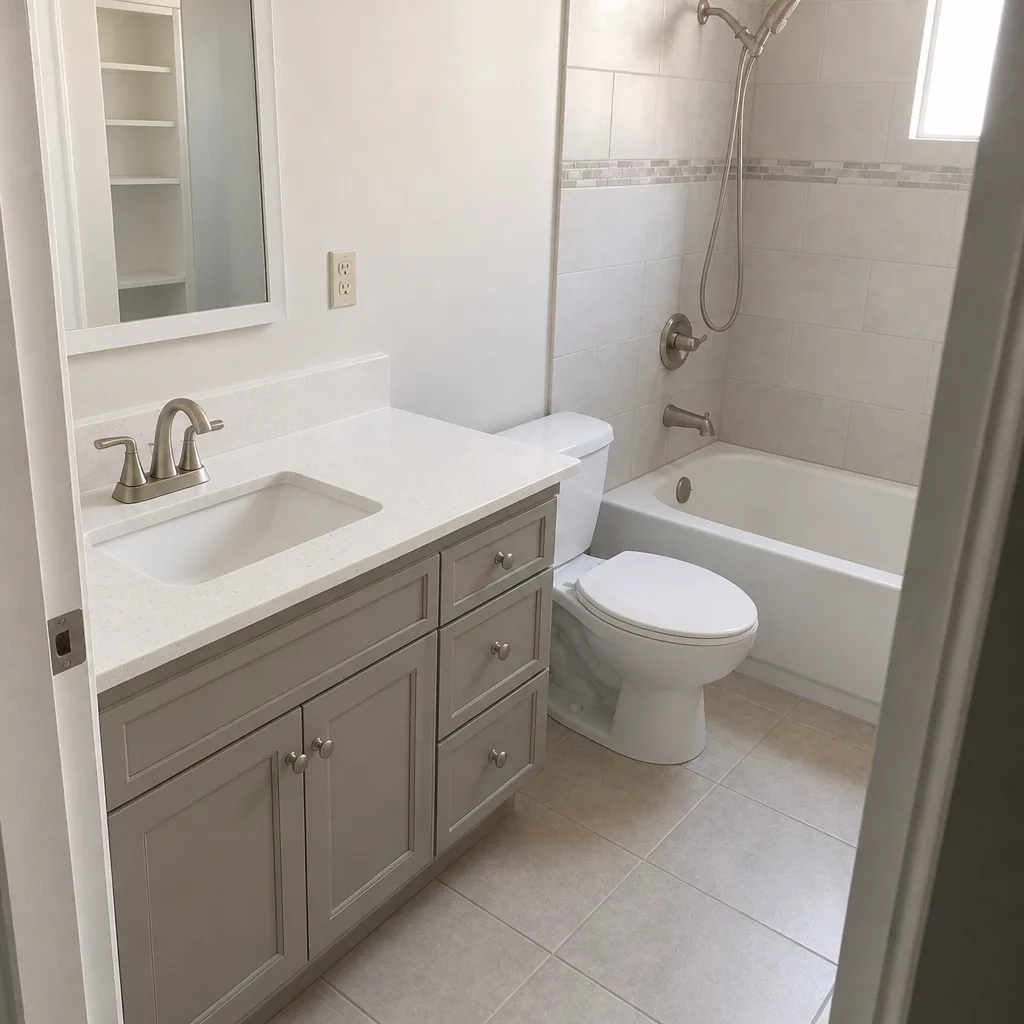
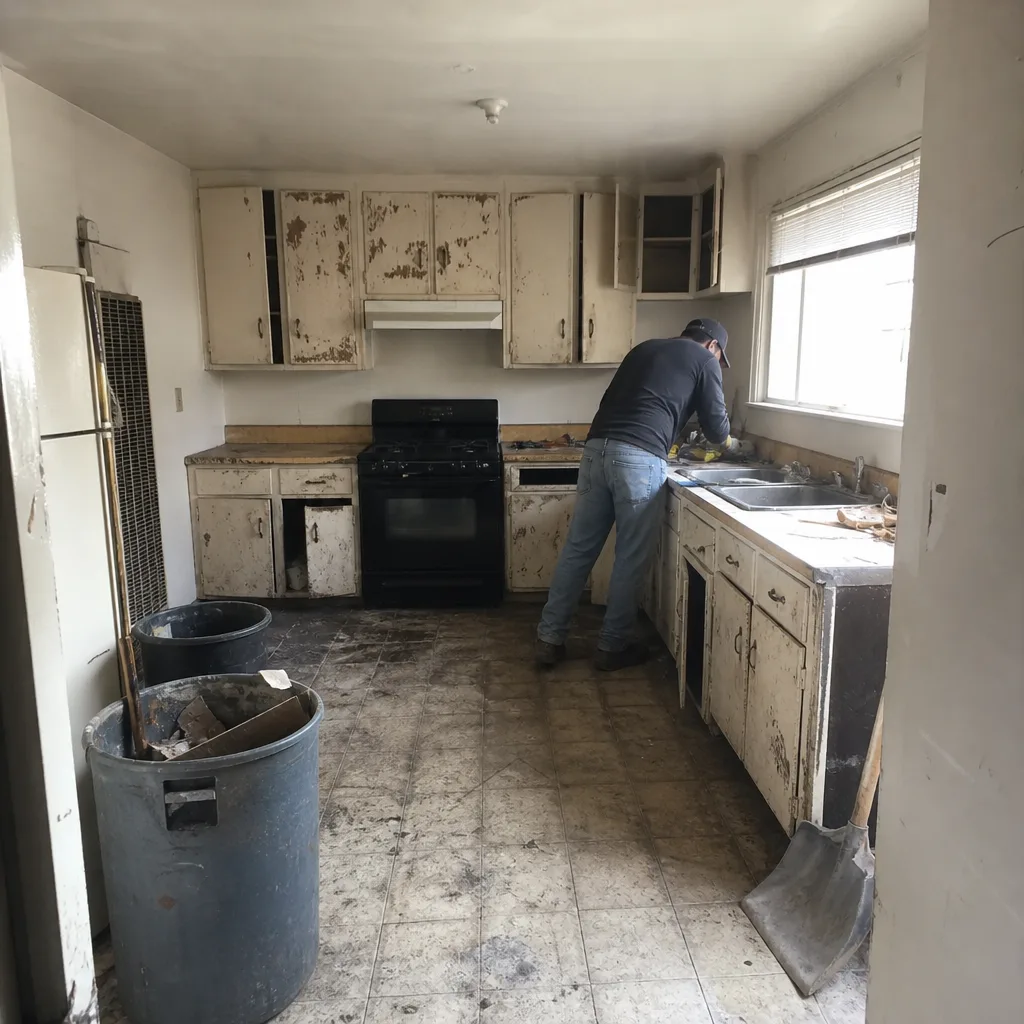
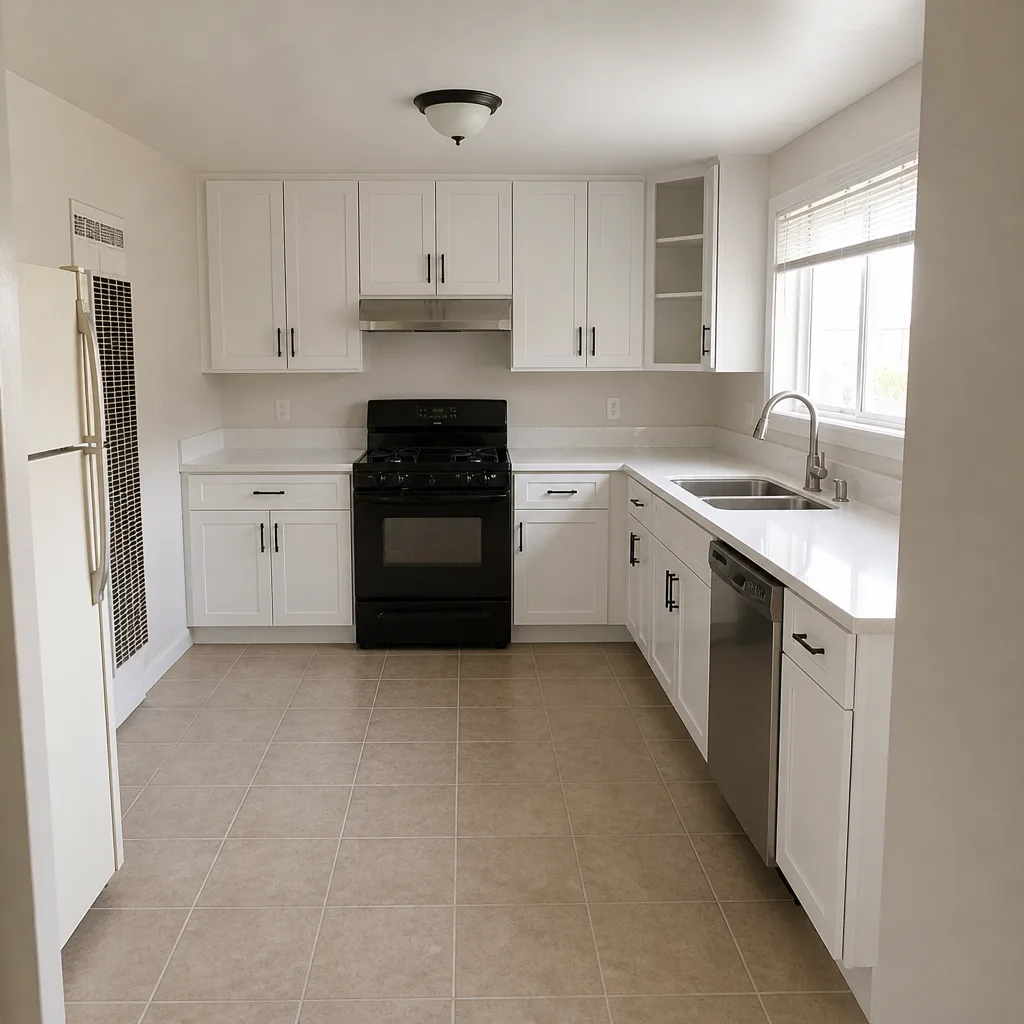
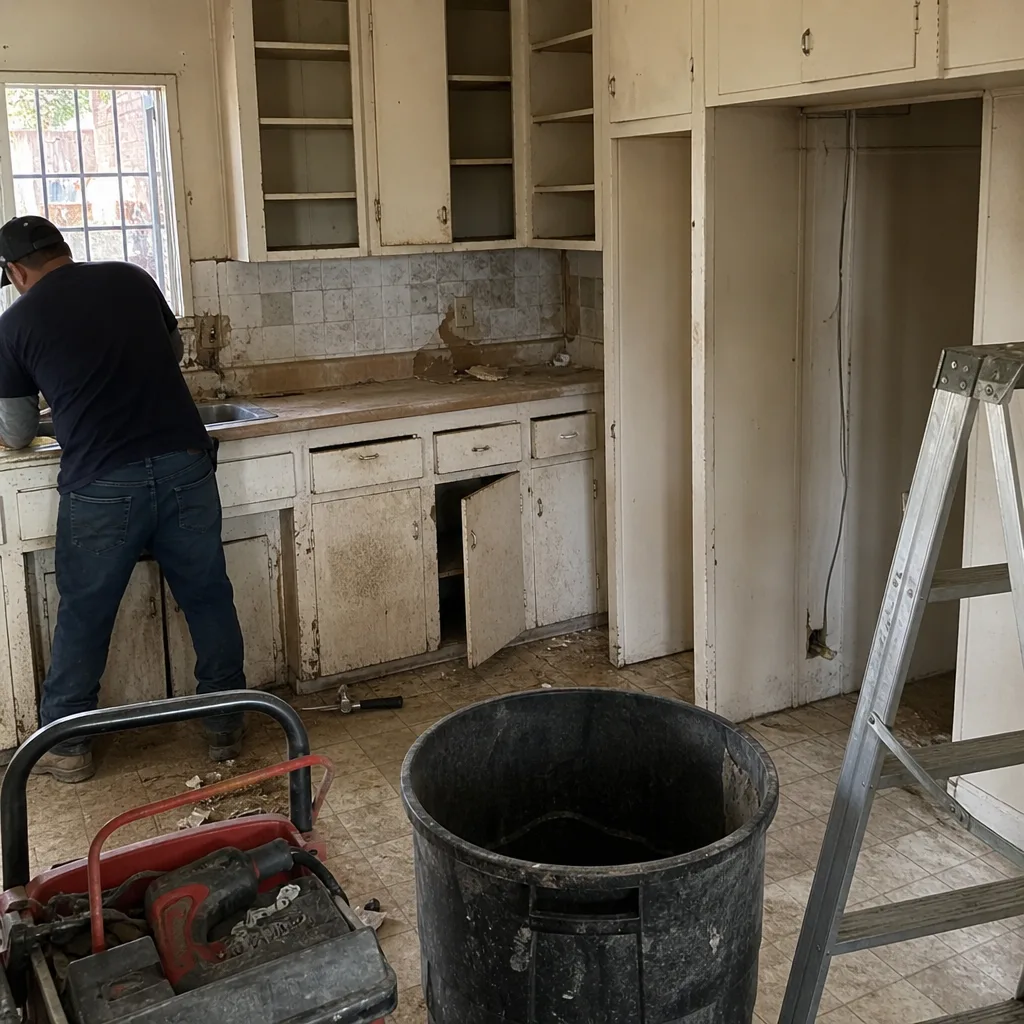
- Kitchen and bath interiors: These are year-round projects, but schedule them so the exterior envelope work is finished first. If a bathroom remodel will move a window or vent, do the exterior sealing in the same phase.
- Additions and ADUs: Plan and permit in the shoulder months. A home additions & ADU project should have the exterior envelope closed and sealed before the wet season, whether it’s site-built or a prefab/modular system.
If you’re planning a phased whole-home project, this calendar is also the sequencing plan. Roofing before windows, envelope before interior finishes, and hardscape before the first rain. One contractor planning the order is how you avoid a crew damaging finished work with the next phase.
Common Mistakes to Avoid
- Treating the roof inspection as a once-a-year event. In East Los Angeles, the wind window and the post-rain window catch different problems. A ridge cap that survives the fall can still be damaged by a wind event in winter, so check after storms too.
- Sealing pavers on a hot afternoon. Sealer applied to a hot slab flashes off before it penetrates and leaves a patchy, uneven finish. Work early in the day on a cool surface.
- Caulking over failed caulk. New sealant won’t bond to old, chalky material. Cut it out, clean the joint, and apply fresh elastomeric sealant with full contact on both surfaces.
- Ignoring efflorescence. A one-time bloom is normal. Efflorescence that keeps coming back in the same spot is a sign of water intrusion that needs a closer look.
- Assuming a light winter means no wet-season prep. The rain comes concentrated here. A short season can still deliver enough water to find every gap in a threshold or a downspout, so clear and seal in November regardless.
- Letting a fence post lean “for now.” A leaning post in wet soil gets worse with every wind event. Repair the footing in the pre-wind window rather than waiting for a section to come down.
- Coordinating multiple trades for a single exterior project. Getting a roofer, a window installer and a hardscape crew to work off each other’s schedules is where damage and finger-pointing happen. One contractor responsible for the sequence reduces rework and scheduling gaps.
When to Call a Professional
Some of this guide is weekend work – clearing gutters, checking screens, testing sealer with a cup of water. But several tasks belong with a trained professional. Roof inspection at height is genuinely dangerous, and a missed ridge cap or flashing issue found from a ladder is easy to misjudge. Sealant replacement at stucco penetrations requires knowing what’s behind the wall. Anything that involves opening the envelope – a window replacement, an addition, a new roof – needs a contractor who can sequence the trades and pull the permits.
If you’ve found recurring efflorescence, a roof valley that keeps clogging, a fence line that moves, or a joint that keeps reopening after you seal it, that’s a sign of a larger issue. Construction East Los Angeles offers free estimates in East Los Angeles – call (844) 320-6084. Our technicians have up to 8 years of experience, and we provide written line-item quotes so you know exactly what’s being fixed and why. We answer 24/7, with fast dispatch 7am-7pm, Sunday through Friday.
Frequently Asked Questions
The dry shoulder months are the best window, so the roof is watertight before the wet season arrives. That means planning in late winter or early spring, after the post-rain inspection has told you what needs work. A roof replacement shouldn’t be scheduled during the wet season, and it’s better done before the UV peak if the schedule allows. If you’ve found storm damage during the February – March window, call (844) 320-6084 for a free estimate and we’ll scope the work.
Check the sealer every early summer, and reapply when water no longer beads on the surface. The heat and UV here break down sealers faster than in cooler climates, so a surface that’s used daily may need attention more often than the product label suggests. Confirm the sealer is compatible with your paver line before you buy it. Call (844) 320-6084 for an estimate if the surface has shifted or settled.
East Los Angeles has a wide daily temperature swing, and that movement opens and closes every exterior joint. Sealant that’s exposed to that range loses elasticity faster than in a milder climate. If a joint keeps cracking after you replace it, the gap may be too wide for a standard bead, or there may be movement behind the frame. Call (844) 320-6084 and we’ll look at the seal and the flashing together.
Efflorescence is mineral salt carried to the surface by water moving through the masonry. A single bloom is normal and usually harmless. White staining that returns in the same area after every rain means water is entering the wall and needs a closer look at the flashing, the sealant, or the drainage at the base. Call (844) 320-6084 for an assessment before the next wet season.
Most routine maintenance – clearing gutters, re-caulking, re-sealing pavers – doesn’t require a permit. Larger work like a roof replacement, a window replacement or an addition does, and the scope determines the requirement. Check with your city’s building department before any structural work. We pull permits and coordinate inspections on the projects we build, and the free estimate lays out what’s needed. Call (844) 320-6084 to get started.
Some of it, yes: ground-level checks on fence posts, window screens, gutters and patio structures are safe to do from the ground. Roof inspection is the exception. Height and pitch make it genuinely dangerous, and a missed fastener or lifted flashing is easy to misjudge from a ladder. Have the roof checked by a trained professional and ask for a written scope of what needs repair. Call (844) 320-6084 for a free estimate on the roof work.
The Bottom Line
East Los Angeles doesn’t ask for one big maintenance push in spring. It asks for four small ones spread through the year: harden against the wind before the Santa Anas, manage water in November, read the house after the rain, and protect surfaces through the UV peak. The materials here move more than most homeowners expect, and the joints are where the movement shows up. Checking caulk, flashing, ridge caps and paver sand twice a year instead of once is the single highest-value habit for a home in this basin.
For the work that needs training and a permit, or for a phased project you’d rather plan as one sequence, call (844) 320-6084 for a free estimate. Construction East Los Angeles brings roofing, windows and doors, fencing, driveway and pavers, kitchen and bathroom remodeling, and additions and ADUs under one contractor – so the envelope, the hardscape and the interiors are planned, sequenced and finished by one team from permit to punch list, with written line-item quotes and the permits pulled and inspections scheduled. We answer 24/7, with fast dispatch 7am-7pm, Sunday through Friday.
Written by the team at Construction East Los Angeles.
See the difference
 Before
 After
 Before
 After
 Before
 After