Last updated November 18, 2026
Free written scope consultation - allowances, timeline, and change-order rules on paper before a single trade is scheduled
The Complete Driveway & Pavers Guide for East Los Angeles Homeowners
Most paver driveways in East Los Angeles don’t fail because of the pavers. They fail because of what’s underneath them. We’ve torn out driveways where the surface blocks were still in good shape, and the base was a few inches of loose material that never had a chance against the clay soil most lots here sit on. That single decision, made before a single paver is laid, determines whether your driveway is settling in year three or holding strong in year fifteen. This guide walks through what actually matters for East Los Angeles driveways: soil, sun, code, sealing, and how the driveway ties into the rest of your exterior work.
Quick Answer
A driveway paver installation in East Los Angeles needs a compacted base of at least 6 inches, not the 4-inch spec you’ll see in guides written for drier climates, because the expansive clay soil across much of East Los Angeles moves with seasonal moisture. Pair that with UV-tested concrete pavers or a properly sealed natural stone, confirm the curb cut and apron rules with LA County before you dig, and budget for a penetrating sealer rather than a film-forming acrylic.
Styles & brands we work with
- Kitchen remodeling
- Bathroom remodeling
- Home additions & ADU
- Roofing
- Windows & doors
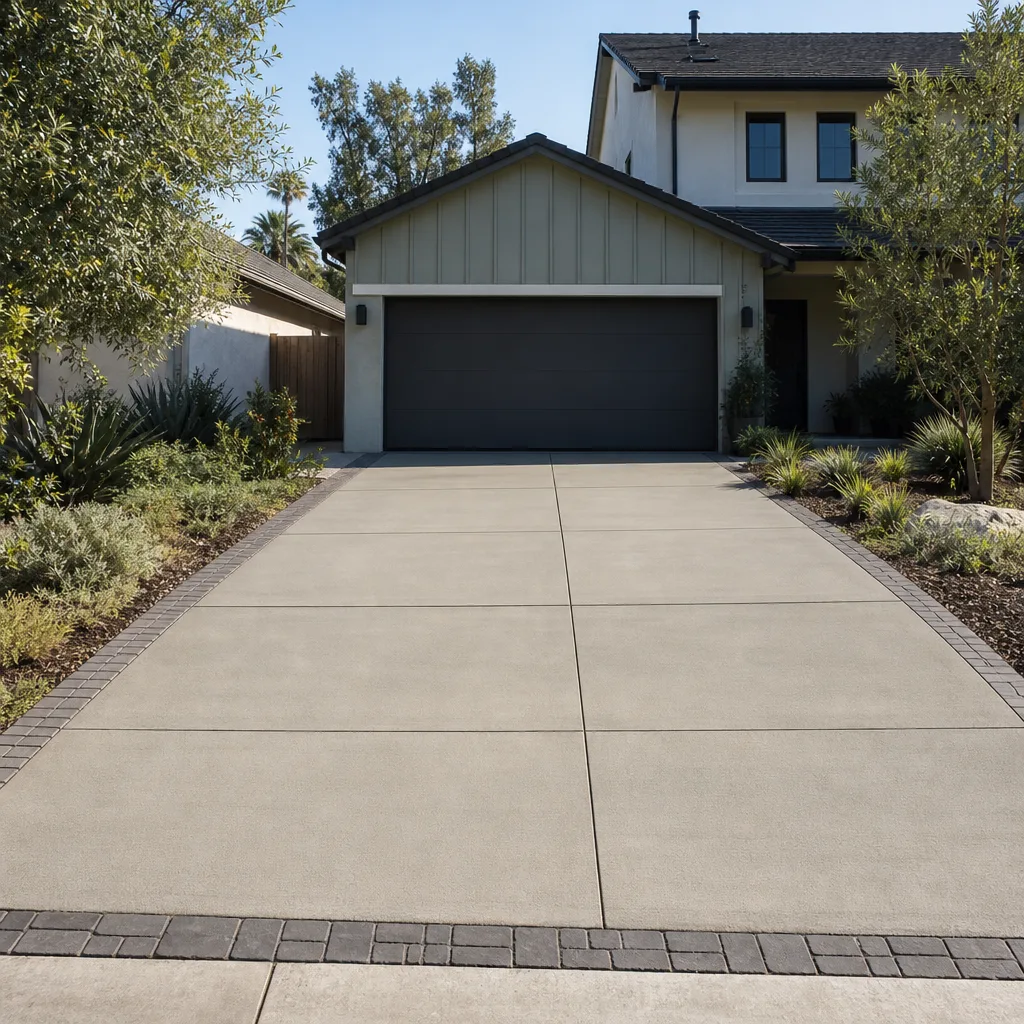
- Driveway & pavers
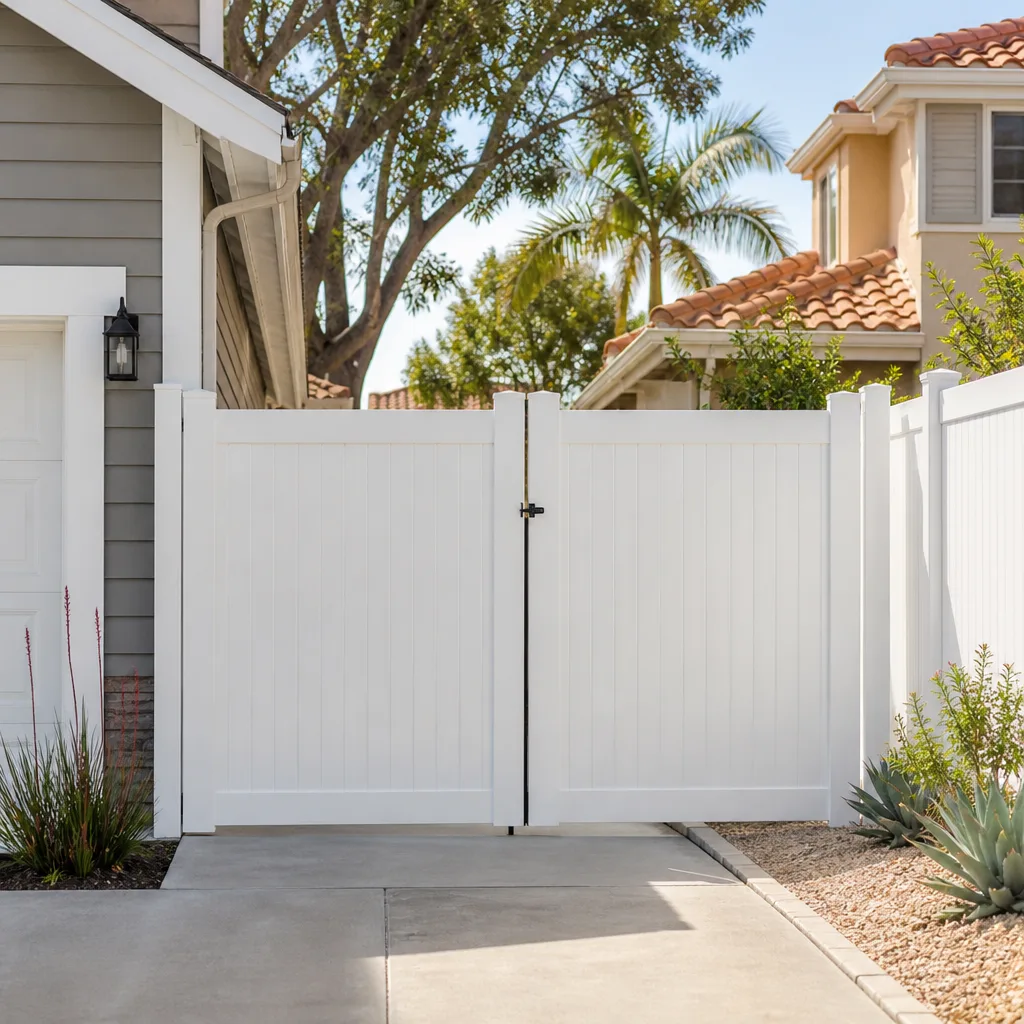
- Fence
Table of Contents
- Why East Los Angeles Soil Changes the Whole Spec
- How to Verify Your Base Layer Is Built Right
- UV Performance: Concrete Pavers, Porcelain, and Travertine
- Permits, Setbacks, and the Curb Cut
- Oil, Tire Marks, and the Sealer That Actually Holds
- Tying the Driveway to Fencing and ADU Conversions
- What a Paver Driveway Costs in East Los Angeles
- Choosing a Paver Contractor
Why East Los Angeles Soil Changes the Whole Spec
The ground under a large share of East Los Angeles lots is expansive clay, and that word does a lot of work. Expansive clay swells when it takes on water and shrinks as it dries. Under a driveway, that movement repeats season after season, and any base layer that is too thin or poorly compacted simply rides the movement instead of resisting it. You get rocking pavers, widening joints, and edges that dip away from the apron.
A lot of the guidance you’ll find online was written for a colder, wetter climate where the main enemy is frost heave. Southern California doesn’t have that problem, but it has its own: long dry stretches followed by concentrated rain, coupled with sun that bakes the surface. The base has to be built for movement, not for freezing.
What that means in practice:
- Minimum 6-inch compacted Class II base under residential driveway pavers, and deeper in areas where you know the soil is especially active.
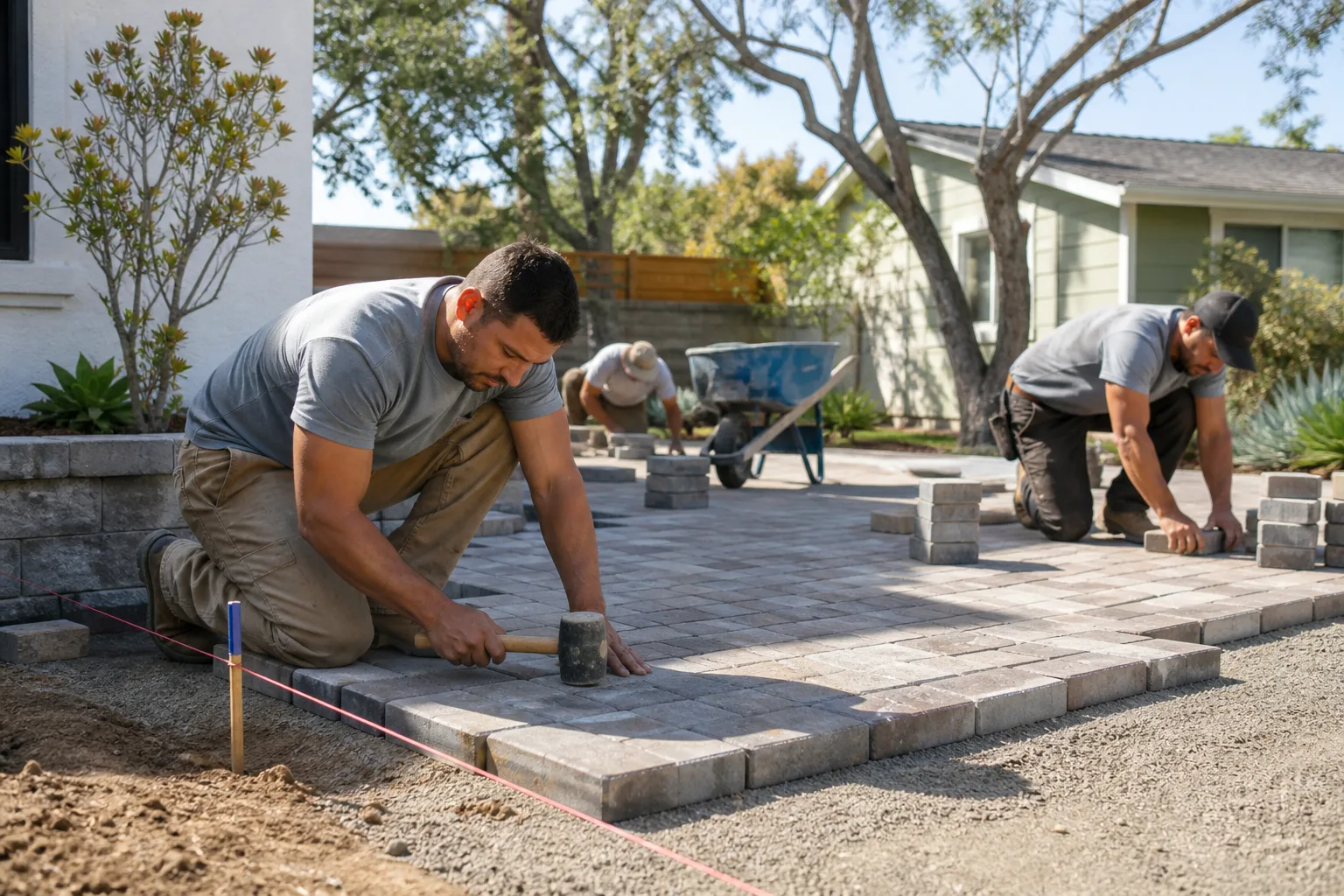
- Compaction in lifts, typically 2 to 3 inches at a time with a plate compactor or roller, not one thick dumped layer.
- Proper edge restraint so the pavers can’t spread outward under load. Edge restraint is what keeps the whole field locked together.
- Positive drainage away from the garage built into the base and surface, not corrected after the fact with a puddle that never dries.
Our technicians have up to 8 years of experience installing hardscape across East Los Angeles, and the base layer is where the difference between a driveway that lasts and one that doesn’t gets decided.
How to Verify Your Base Layer Is Built Right
You can’t see the base once the pavers go down, which is exactly why you should watch it get built. These are the checks anyone can make during the work, in order:
- Confirm the excavation depth before any gravel goes in. Ask what depth the excavation will reach to leave room for a 6-inch compacted base plus the paver thickness. If the answer is vague, that’s your signal.
- Watch for lifts. A good crew places the base in layers and compacts each one. A single thick dump that gets one pass is a shortcut you can spot from the sidewalk.
- Look for a mechanical compactor. Plate compactors or a roller, run over each lift. Hand tamping a driveway base isn’t enough.
- Check the slope before pavers. A string line or a level on the base shows whether water will run toward the street and away from the garage.
- Confirm the Class II material. Class II base is a graded crushed aggregate, not fill dirt, not sand, and not whatever was already on site.
- Verify edge restraint is set in concrete. The perimeter holds the field together. It should be anchored, not just staked.
If a contractor can’t explain the base spec in plain terms before the job starts, that’s the moment to ask more questions. This is also true for a heavy paver installation, which is why the driveway & pavers work we do starts with the soil, not the surface.
UV Performance: Concrete Pavers, Porcelain, and Travertine
Direct Southern California sun is relentless on exterior surfaces, and different paver materials handle it differently. Color fade is the most visible result of UV exposure, and it varies a lot by material and by how the manufacturer formulates the pigment.
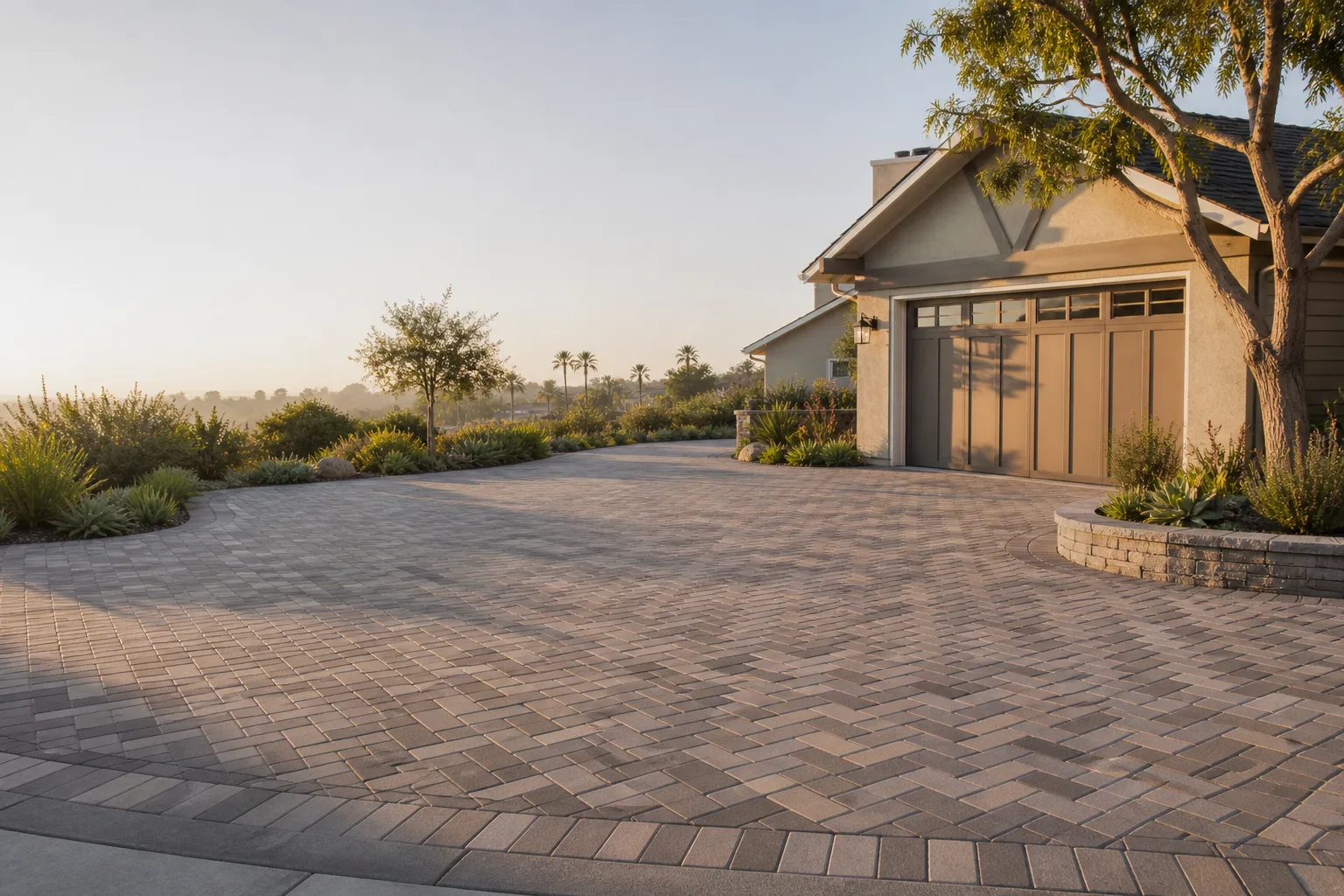
Concrete pavers are the most common choice for East Los Angeles driveways. Modern lines are formulated with UV-stable pigments, and the good ones hold color well. Product lines such as Belgard’s Catalina and Techo-Bloc’s Blu 60mm are engineered for high-UV exposure and are a sensible starting point when you want a surface that resists fade. A dense, well-cured concrete paver with through-body pigment will outlast a surface-tinted block every time.
Porcelain pavers hold color extremely well under UV because the color is fired into the material. They’re a strong choice where fade resistance matters most, though they need a solid base and careful installation since they’re less forgiving of any movement.
Travertine is natural stone, and it ages rather than fades. It develops a patina under the sun, which some homeowners love and others don’t expect. It also needs sealing to resist staining, and its surface texture should be chosen with care on a driveway where vehicles turn.
A quick comparison:
- Concrete pavers: best balance of cost, durability, and UV-tested color stability for driveways.
- Porcelain: top UV and stain resistance, premium price, needs a rock-solid base.
- Travertine: natural look, ages with sun exposure, requires sealing and careful maintenance.
Choose the material for your sun exposure and use, not just for the showroom. The right shingle-level decision here is picking a paver rated for the job a driveway does, from brands like Belgard, Unilock, Tremron, and Oldcastle that build specifically for high-heat markets.
Permits, Setbacks, and the Curb Cut
Driveway work near the street touches public right-of-way, and that’s where permits come in. If your project changes the curb, adds or widens a curb cut, or alters how the driveway meets the street, expect LA County and the relevant city department to be involved. Rules on driveway width, apron placement, and curb cut location are set locally, so the specifics for your parcel need to be confirmed with your city’s building and public works departments before work begins.
Here’s what to sort out before anyone breaks ground:
- Confirm whether a curb cut permit is required. Any new opening to the street generally needs one. Don’t assume the contractor is pulling it unless it’s stated in writing.
- Check the driveway width and apron rules for your parcel. Local requirements limit width and affect how the apron meets the sidewalk.
- Ask about setback from the property line. Driveway edges and side-yard clearances have rules that affect layout.
- Check your HOA, if you have one. In East Los Angeles, an HOA can impose its own rules on materials, colors, and dimensions even after the city signs off.
- Get the permit scope in writing. Every permit a contractor says they’ll pull should appear on the estimate, with who’s responsible for inspections noted.
Permits pulled and inspections passed is a phrase worth holding contractors to. It’s the difference between a driveway that’s documented and one that creates headaches when you go to sell.
Oil, Tire Marks, and the Sealer That Actually Holds
East Los Angeles has a lot of street parking, which means many driveways carry the oils, tire marks, and grime of daily use. Sealing is how you protect the surface, but the sealer type matters more than the brand name on the can.
Penetrating silane-siloxane sealers soak into the paver and protect from the inside. They don’t form a film, so there’s nothing to peel, blister, or turn milky under intense heat. That’s the key advantage in a hot, sunny climate where topical acrylic sealers can haze or wear unevenly, especially over pavers with a textured finish.
Topical acrylic sealers sit on the surface and give a shine or a deepened color. They have their place, but they need more frequent attention in high heat, and reapplication becomes a maintenance commitment.
For most East Los Angeles driveways, a penetrating sealer applied correctly after installation, then reapplied on the manufacturer’s recommended schedule, holds up better. The exact reapplication interval depends on the product and the traffic, so confirm it in writing rather than guessing.
Sealing is worth doing right:
- Clean and let the pavers dry fully before applying any sealer.
- Choose penetrating over topical for a driveway with regular vehicle traffic and full sun.
- Reapply per the product’s schedule and after a hard winter of use.
- Address oil spots promptly; sealed pavers clean up far easier than raw ones.
Tying the Driveway to Fencing and ADU Conversions
A driveway is rarely a standalone project. It runs alongside a fence, meets a garage, and sometimes opens up a path to an ADU or a garage conversion. When one contractor plans all of it, the sequencing stops being a coordination problem and becomes part of the same job.
Consider the order of work. A new fence line often sets the property boundary that a driveway edge follows, so the fence installation is worth planning before the pavers go down in that corridor. If a garage is being converted to living space or a detached home additions & ADU project is in the works, the driveway has to accommodate access, drainage, and any grading changes that come with it. Doing these in the right order avoids tearing up a finished surface because the fence or the ADU pad came later.
That’s the logic behind handling the full exterior envelope as one scope. Roofing, windows and doors, fencing, and hardscape are planned and sequenced together so no finished work gets damaged by the next phase. If your project is more of a phased whole-home renovation, the same applies: the outside gets sorted before the inside wraps up, so the punch list doesn’t stretch into next season.
For a broader look at how all these categories fit together, see our construction in East Los Angeles overview and how we coordinate the seven service categories we install.
What a Paver Driveway Costs in East Los Angeles
Paver driveway pricing depends on square footage, base depth, paver choice, and how much prep the site needs. Below are typical estimated ranges for the East Los Angeles market. These are estimates, and the written line-item estimate sets the final price.
| Item | Typical Estimated Range |
|---|---|
| Paver driveway installation (concrete pavers) | $12 – $20 per sq ft |
| Paver driveway installation (porcelain or travertine) | $18 – $30 per sq ft |
| 6-inch Class II base with compaction | Included in the installation range |
| Removal and haul-away of existing surface | $2 – $5 per sq ft |
| Penetrating silane-siloxane sealer | $2 – $4 per sq ft |
| Curb cut permit and apron work | Quoted per parcel |
Those ranges are estimates for planning. A driveway that needs deeper excavation on active clay, or that includes a new curb cut and apron, will land at the higher end. A written line-item estimate is the only way to know your actual number, and it should separate base work, pavers, sealing, and permits so you can see where the cost sits. Fixed pricing with no change orders is what we aim for, so what you sign is what you pay.
Choosing a Paver Contractor
The three things that separate a driveway that lasts from one that doesn’t are the base spec, the material choice, and the coordination of adjacent work. A contractor should be able to talk about all three before you sign.
Ask these questions:
- “What base depth and material are you using, and how do you compact it?” The answer should mention Class II base and mechanical compaction in lifts.
- “Which paver lines do you install, and how do they handle UV?” A contractor working with brands like Belgard, Unilock, Tremron, or Oldcastle will have real options to compare.
- “Who pulls the curb cut permit, and is it on the estimate?” The scope of permits should be explicit.
- “Are you installing any adjacent fence or ADU work, and how do you sequence it?” If exterior work is part of the plan, one scope avoids rework.
- “What does the written estimate cover, line by line?” Base, pavers, sealing, permits, and removal should all be visible.
Licensed and insured is the baseline. Beyond that, look for a contractor who can explain the soil under your lot and the sun on your surface, because those two variables drive everything. Our technicians have up to 8 years of experience, and we’ll walk you through material choices from major hardscape manufacturers so the decision is yours, made with real information.
Common Mistakes to Avoid
- Building on a 4-inch base. The 4-inch spec you’ll find in guides written for drier regions doesn’t hold up over expansive East Los Angeles clay. A 6-inch compacted Class II base is the floor, not the target.
- Skipping the compaction lifts. A thick dumped layer that gets one pass isn’t compacted, and it will move. Watch that each lift gets mechanical compaction.
- Choosing the paver before the base. Color and style matter, but base depth and drainage are what make the driveway last. Decide those first.
- Ignoring the curb cut permit. Any change to how the driveway meets the street generally needs a permit. Confirm it’s on the estimate and within the correct scope.
- Using a topical acrylic sealer on a hot driveway. In full sun and high heat, film-forming sealers can haze and peel. Penetrating silane-siloxane sealers are the better fit.
- Sequencing the fence and driveway backwards. If a fence line borders the driveway, plan it before the pavers so a finished surface isn’t torn up later.
- Letting an HOA surprise you. Even after city approval, an HOA can have its own rules on driveway width and materials. Check both.
See the difference
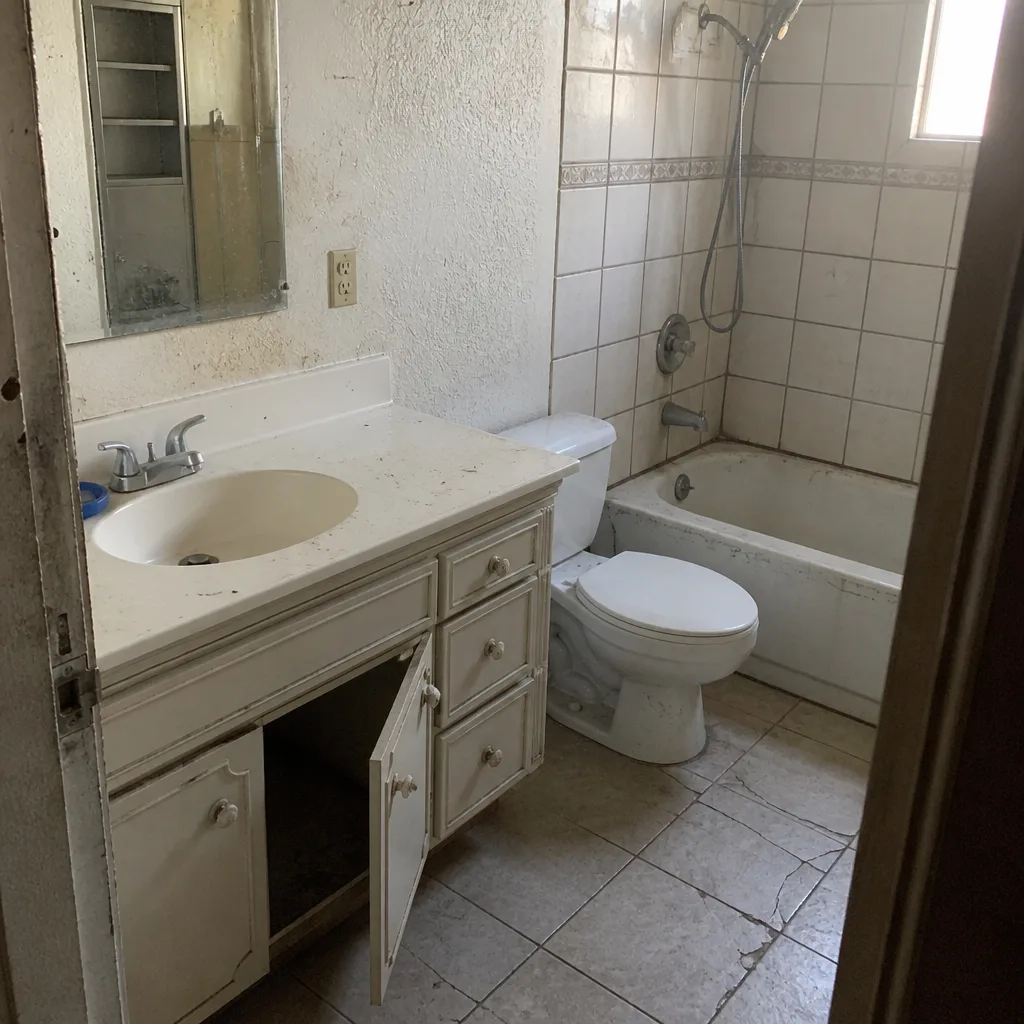 Before
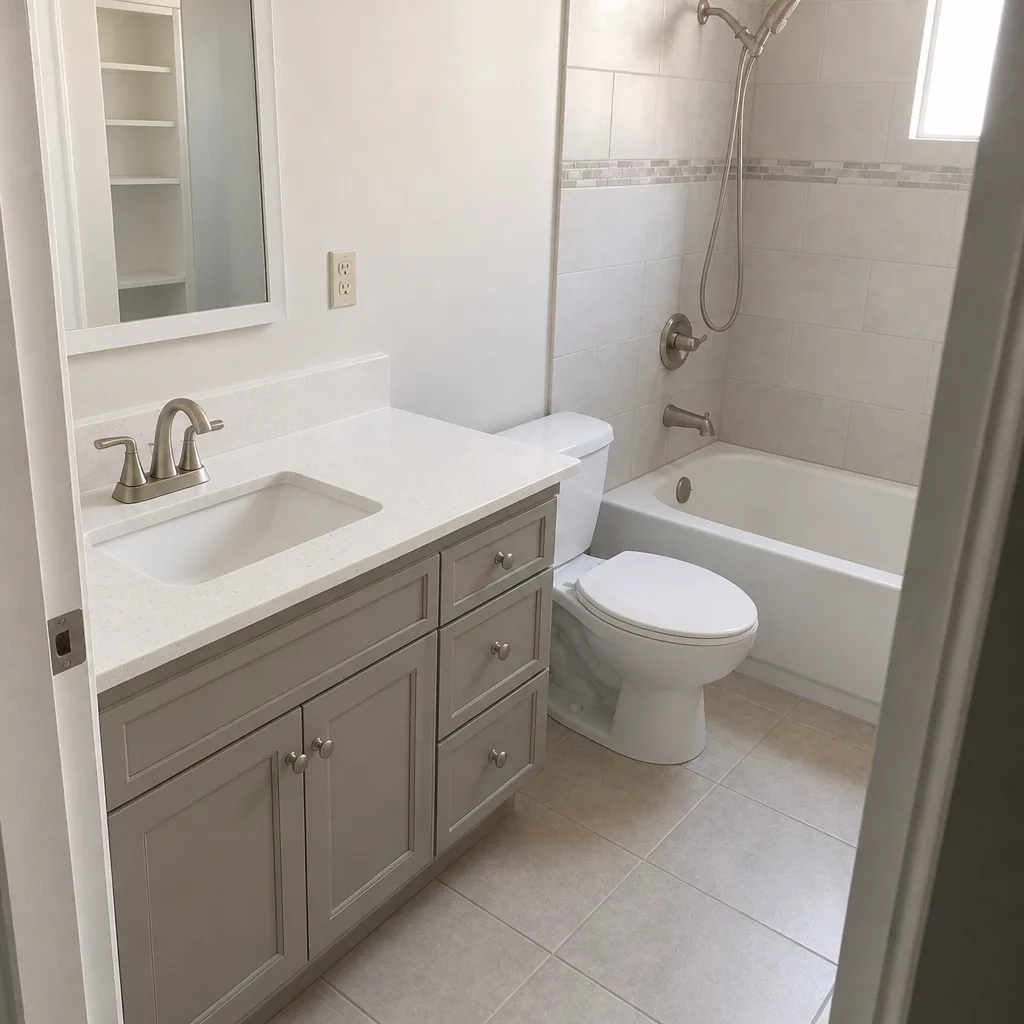 After
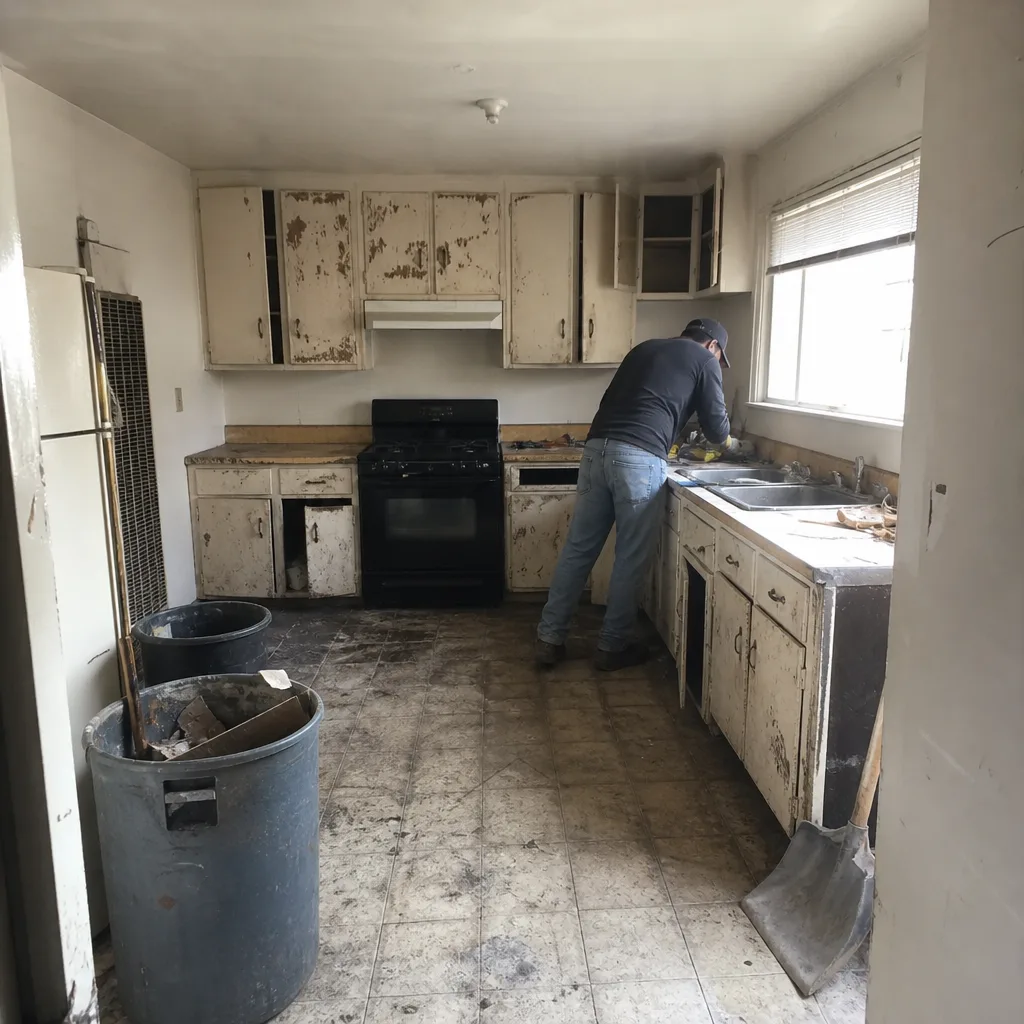 Before
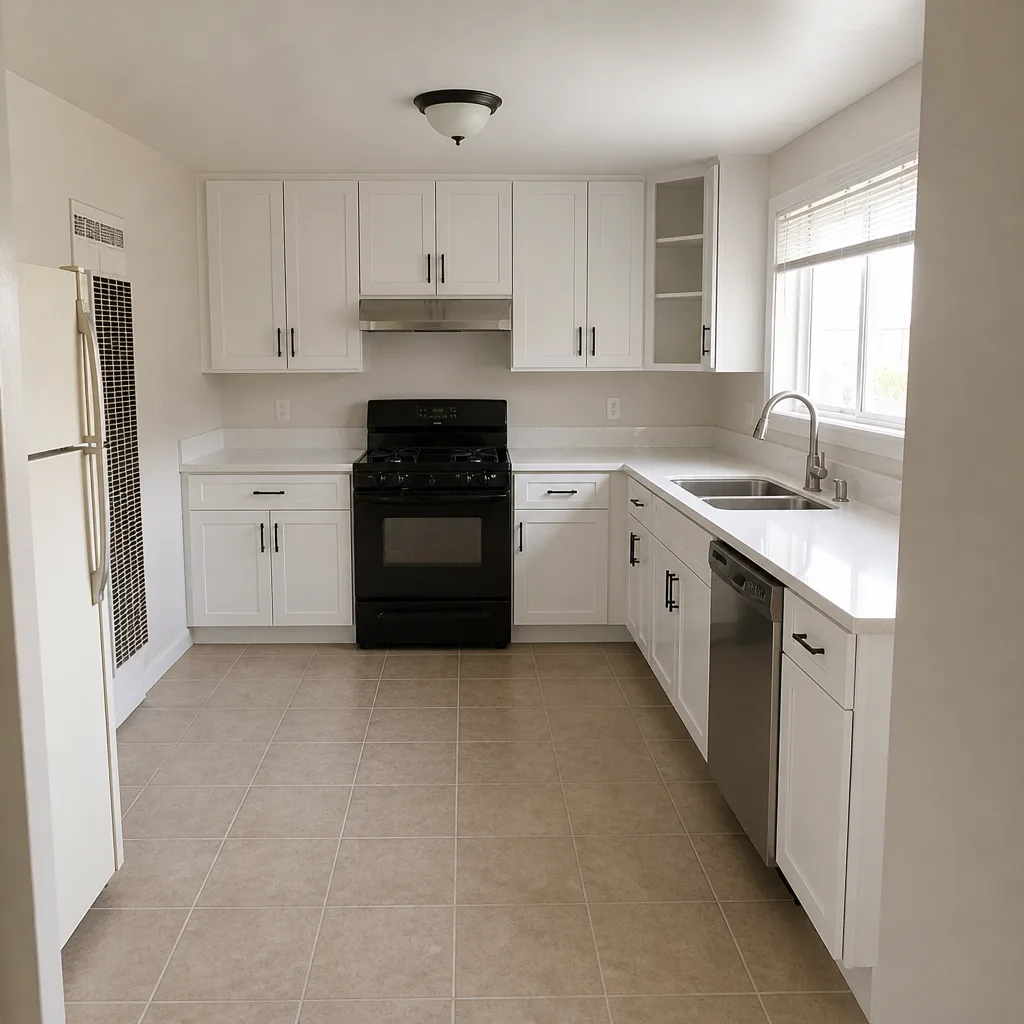 After
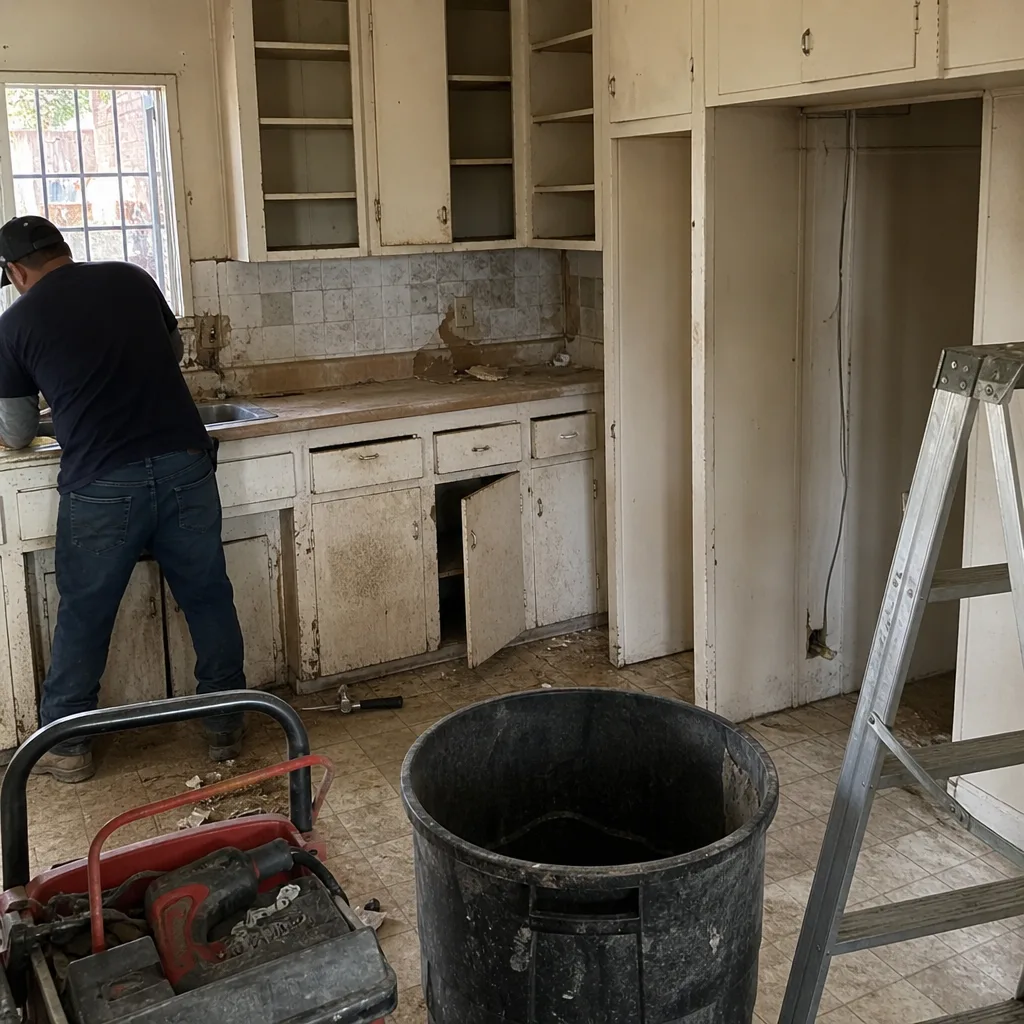 Before
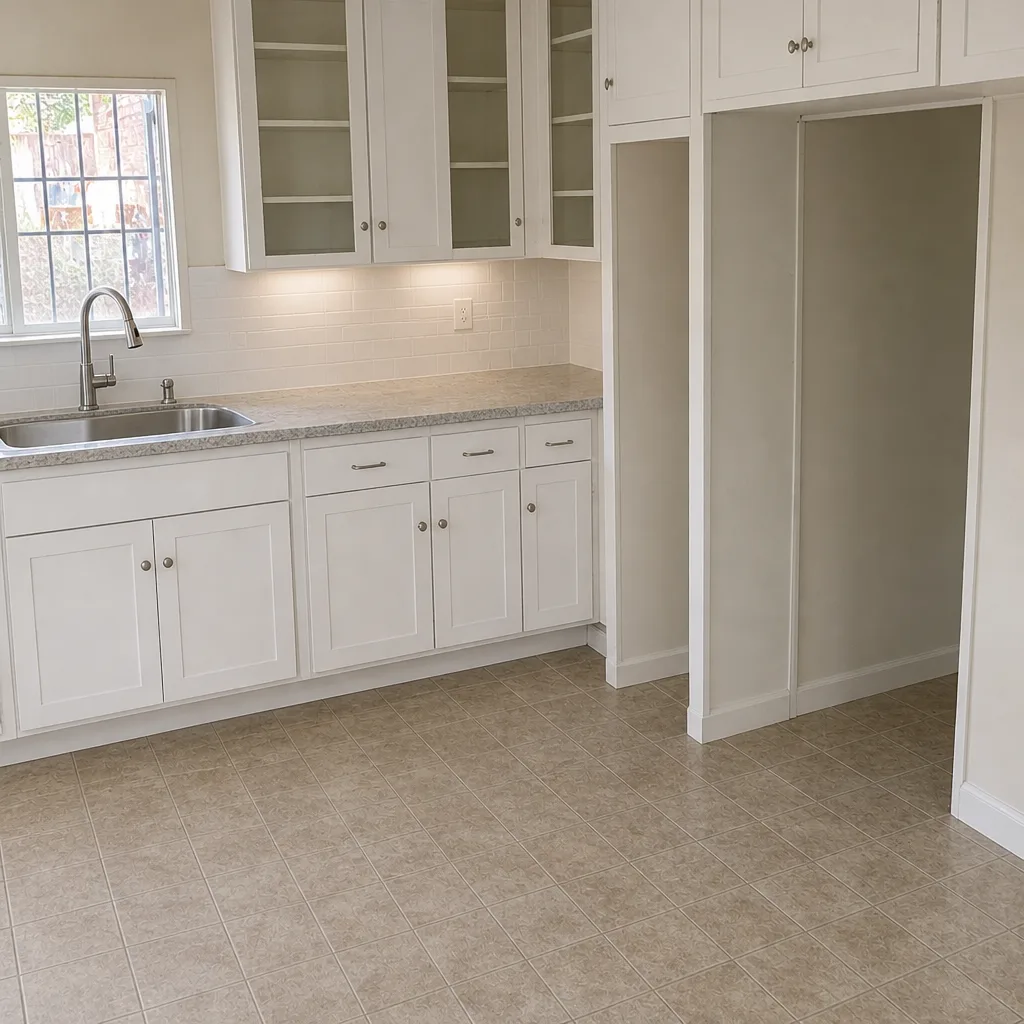 After
When to Call a Professional
Some driveway work can wait; some shouldn’t. Call a professional if pavers are rocking or heaving, if water is pooling against the garage or foundation, if joints are widening, or if you’re planning any change to how the driveway meets the street, since a curb cut involves permits and right-of-way work. Call too if you’re planning a driveway alongside a fence or an ADU conversion, because the sequencing matters and should be planned as one scope. Safety matters here as well: a driveway that drains poorly can send water where it does real damage, and a base that’s moving can’t be fixed without tearing up the surface. Construction East Los Angeles offers free estimates in East Los Angeles. Call (844) 320-6084. We answer 24/7. Fast dispatch from 7am to 7pm, Sunday through Friday.
Frequently Asked Questions
Typical estimated ranges in East Los Angeles run about $12 to $20 per square foot for concrete pavers and $18 to $30 per square foot for porcelain or travertine, with base work included. Removal, sealing, and any curb cut or permit work are quoted separately. Call (844) 320-6084 for an exact quote, estimates are free.
A minimum 6-inch compacted Class II base is what most East Los Angeles lots need because of the expansive clay soil. The 4-inch spec common in drier regions is too thin here once the clay starts moving with seasonal moisture. The written estimate should state the base depth and material explicitly.
Any change to the curb cut, apron, or how the driveway meets the street generally requires a permit from the relevant city and LA County departments. Confirm the permit scope with your city’s building department before work starts, and make sure it’s on your written estimate. Call (844) 320-6084 and we’ll walk through what applies to your parcel.
UV-tested concrete pavers are the best all-around choice for driveways, since modern lines like Belgard’s Catalina and Techo-Bloc’s Blu 60mm are formulated for high-UV exposure. Porcelain pavers hold color best of all but cost more, and travertine ages with sun rather than fading. The right pick depends on your budget and how the driveway is used.
A penetrating silane-siloxane sealer is the better fit for East Los Angeles because it protects from the inside without forming a film that can haze or peel under intense heat. Topical acrylic sealers give a shine but need more frequent attention. Reapply on the manufacturer’s recommended schedule. Call (844) 320-6084 for a free estimate that includes sealing.
The written line-item estimate sets the final price, and that’s what we aim for at Construction East Los Angeles. Base, pavers, sealing, and permits should all appear on the estimate so there are no surprises. Call (844) 320-6084 to schedule a free estimate.
The Bottom Line
East Los Angeles driveways fail for predictable reasons, and the biggest is a base that was never built for expansive clay. Start with at least a 6-inch compacted Class II base, choose pavers rated for high UV like Belgard’s Catalina or Tecno-Bloc’s Blu 60mm, confirm the curb cut and apron rules with LA County before digging, and protect the surface with a penetrating silane-siloxane sealer rather than a film-forming acrylic. Then plan the driveway alongside any fencing, ADU, or garage conversion work so the sequencing holds and no finished surface gets torn up. Get it right once, from the soil up.
Written by the team at Construction East Los Angeles.