Last updated November 18, 2026
Free written scope consultation - allowances, timeline, and change-order rules on paper before a single trade is scheduled
Construction Cost Breakdown: The East Los Angeles Homeowner’s Reference for 2026
Most construction cost guides you’ll find online are built on national averages, and that’s exactly why they miss the mark for anyone building in East Los Angeles. A bathroom remodel quoted at $12,000 on a generic cost estimator can land between $19,000 and $24,000 here once you account for licensed labor rates across LA County, permit and inspection fees for projects in unincorporated areas, and the discovery costs that show up in pre-1970 homes where tile sits over tile. This reference gives you 2026 cost ranges anchored to East Los Angeles project conditions, breaks down what actually moves a job from one tier to the next, and covers the hidden cost categories most estimates leave out. Whether you’re planning a roof replacement, a kitchen remodel, an ADU, or a phased whole-home renovation, you’ll finish with a clearer picture of what your money buys in this market.
Quick Answer
In 2026, construction costs in East Los Angeles run higher than national averages because of LA County labor rates, permit fee structures for unincorporated areas, and material delivery surcharges into this part of the county. Typical ranges look like this: a bathroom remodel runs roughly $18,000 to $32,000, a kitchen remodel $30,000 to $75,000, a roof replacement $9,000 to $22,000, and a detached ADU $180,000 to $350,000. Hiring one contractor who manages every trade from permit to punch list usually costs less overall than assembling separate specialty subs, because it cuts markup stacking, mobilization fees, and sequencing delays.
Styles & brands we work with
- Kitchen remodeling
- Bathroom remodeling
- Home additions & ADU
- Roofing
- Windows & doors
- Driveway & pavers
- Fence
Table of Contents
- Why National Averages Mislead East Los Angeles Homeowners
- Roofing Costs in East Los Angeles for 2026
- Windows and Doors: Replacement Cost Ranges
- Fencing and Driveway Costs in East Los Angeles
- Kitchen and Bathroom Remodel Costs
- ADU Cost Per Square Foot: Detached, Attached, and Garage Conversion
- Hidden Cost Categories Most Estimates Omit
- Why One Multi-Trade Contractor Costs Less Than Specialty Subs
Why National Averages Mislead East Los Angeles Homeowners
Every national cost estimator compiles data from a wide mix of markets and averages it down. That average has almost nothing to do with what a project costs in East Los Angeles, and the gap works in one direction: up. The labor side alone explains much of it. Licensed tradespeople in LA County command rates well above the national midpoint, and that premium applies across every phase of a job, from framing to finish work. Materials carry a surcharge too. This part of the county sits inside a dense urban delivery zone, and getting shingles, cabinets, or pavers to a job site here costs more than dropping them at a suburban address.
Permit and inspection fees add another layer, especially in unincorporated areas where LA County rather than a city building department issues the permits. Those fee structures vary by project type and valuation, and they aren’t part of most online calculators. Then there are discovery costs. A large share of East Los Angeles housing stock predates 1970, and older homes hold surprises: tile set over tile, dated wiring, plumbing that needs reworking before a new fixture line goes in. An honest estimate here builds in a contingency for what a wall or floor might reveal. A national average doesn’t.
Our technicians have up to 8 years of experience, and that time has taught us one reliable rule: the only number that matters is the one written on your estimate after someone walks the actual job. A written line-item quote, with permits pulled and inspections passed, sets the final price. Anything quoted from a website average is a starting point at best.
Roofing Costs in East Los Angeles for 2026
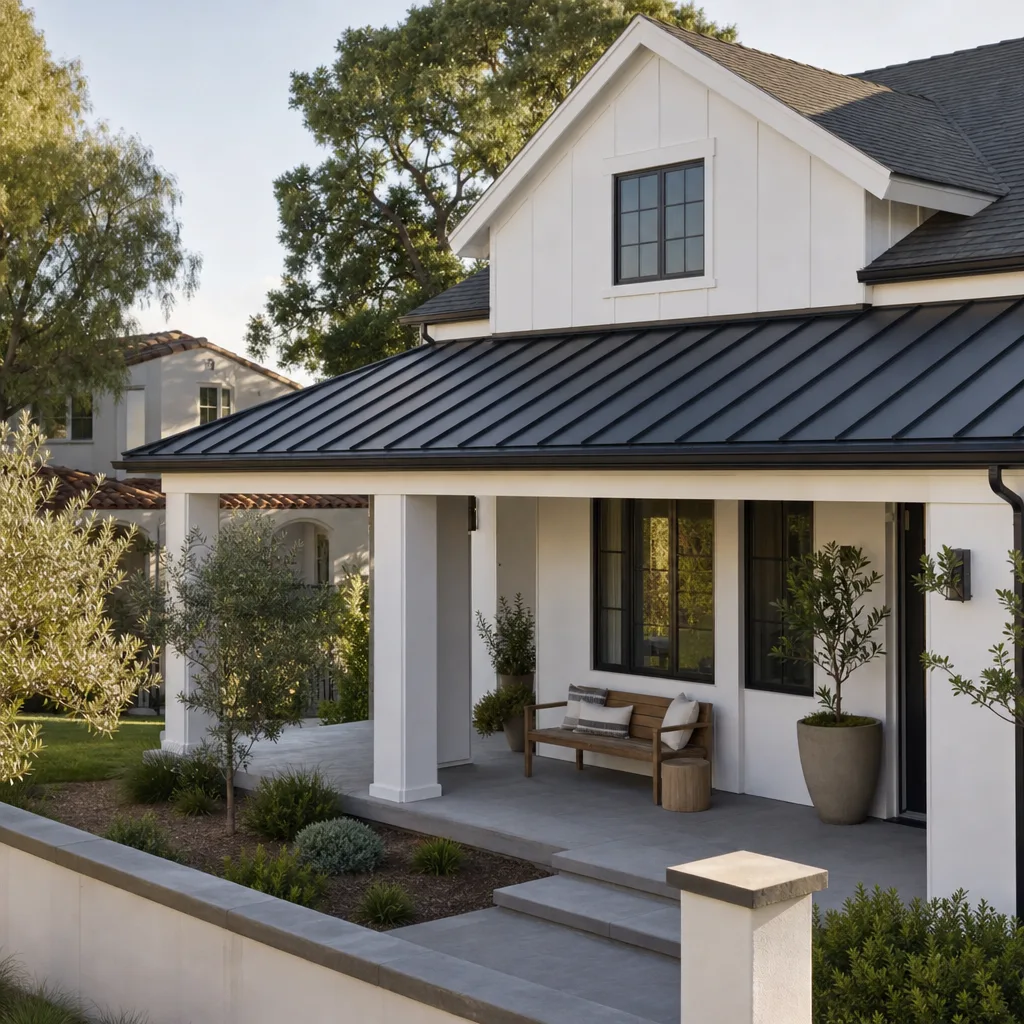
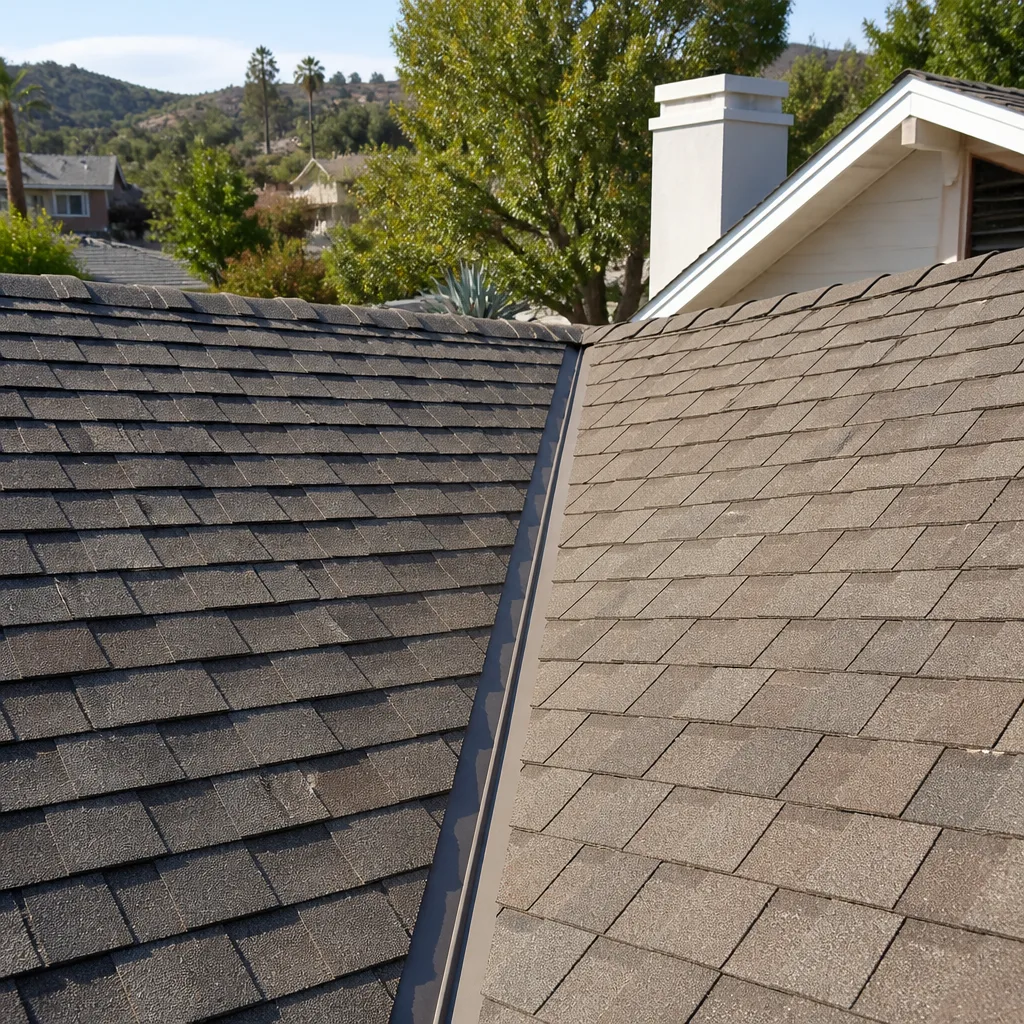
A full roof replacement in East Los Angeles typically runs $9,000 to $22,000 in 2026 for a standard single-family home, depending on material, roof pitch, and how much deck repair the tear-off reveals. Asphalt shingle sits at the low to middle of that range, composite runs in the middle, and tile systems land at the top. Mild winters here mean you’re not dealing with freeze-thaw damage or ice damming, so material choice comes down to heat performance, longevity, and appearance rather than cold-weather durability. We plan roofing before windows and other exterior phases so that finished work below never gets damaged by the phase above.
What moves a roofing project between tiers
- Material system: six major manufacturers – GAF, CertainTeed, Owens Corning, IKO, Atlas, and Tamko – cover asphalt shingle, composite, and tile. The right shingle for your roof type matters more than the cheapest line available.
- Deck condition: tear-off often reveals soft sheathing that needs replacing, which adds to the total.
- Roof complexity: hips, valleys, and multiple penetrations add labor.
- Ventilation and flashing: proper attic venting and new flashing are part of a complete job, not an upsell.
Roof work is height work, and a fall from a two-story roofline is a serious injury. Ladder access, harness use, and material staging belong to trained professionals. We don’t recommend climbing a roof to inspect it yourself; a licensed roofer can assess deck and flashing condition safely and tell you whether a full replacement or a repair is the right call.
Windows and Doors: Replacement Cost Ranges
Window replacement in East Los Angeles runs roughly $450 to $1,200 per window installed, and exterior door replacement typically lands between $1,200 and $3,500 depending on size and material. Whole-home window packages fall in the $8,000 to $20,000 range for a typical single-family house. The biggest cost driver here isn’t weather performance, since winters are mild, but glass type, frame material, and whether the opening needs reframing. Impact-resistant glass is worth discussing for security, noise reduction, and storm protection, and it’s an option we can specify alongside standard glazing.
Windows and doors form the outer layer that roofing and hardscape have to work around, which is why sequencing matters. If you’re replacing both roof and windows, roofing goes first. Doing it the other way means new window trim and finishes get exposed to tear-off debris and ladder traffic. That coordination is one reason we keep windows, doors, roofing, fencing, and paving under one contractor relationship: the order gets planned once, and no finished work gets damaged by the next phase.
What drives the per-window price
- Frame material: vinyl is the most economical, wood and fiberglass cost more.
- Glass specification: standard insulated glass versus impact-resistant glass.
- Installation method: insert replacement versus full-frame with new trim.
- Opening condition: dry rot or settling in older East Los Angeles homes often requires reframing.
Fencing and Driveway Costs in East Los Angeles
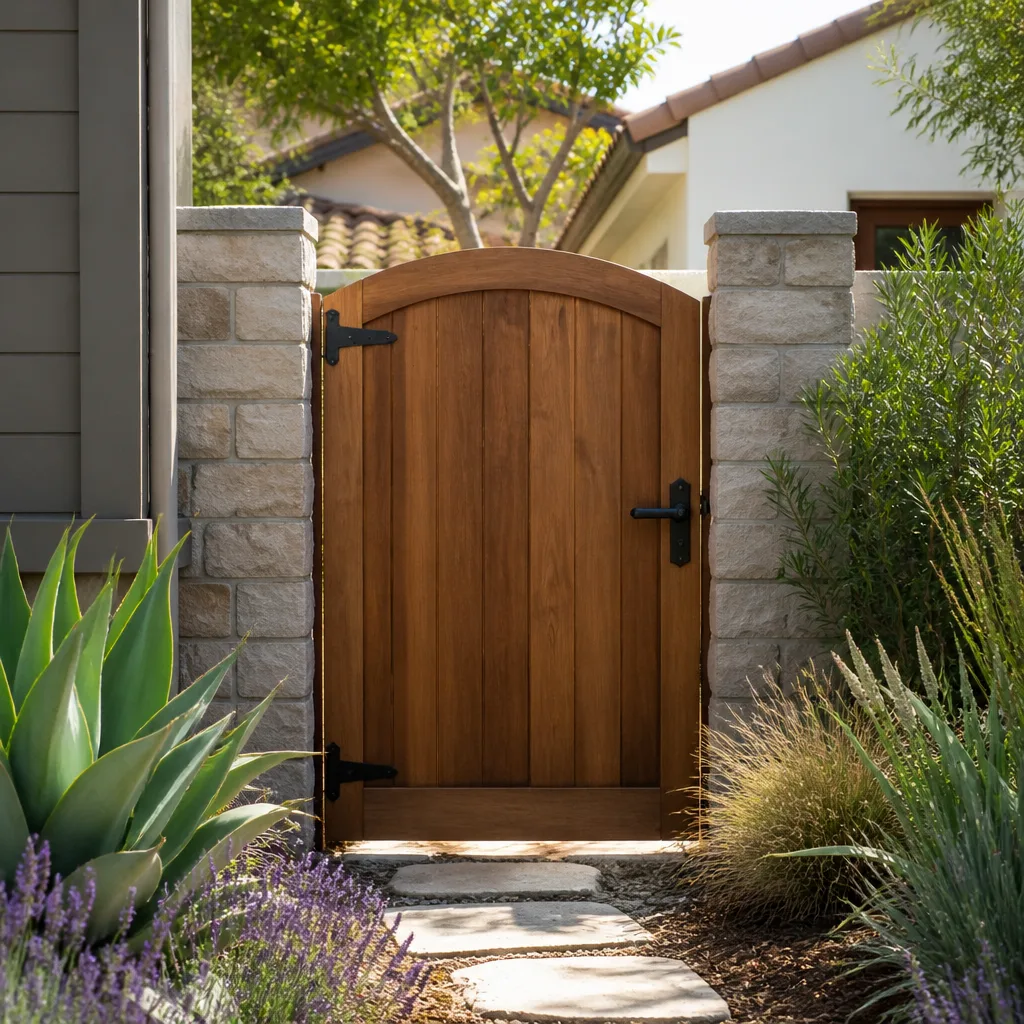
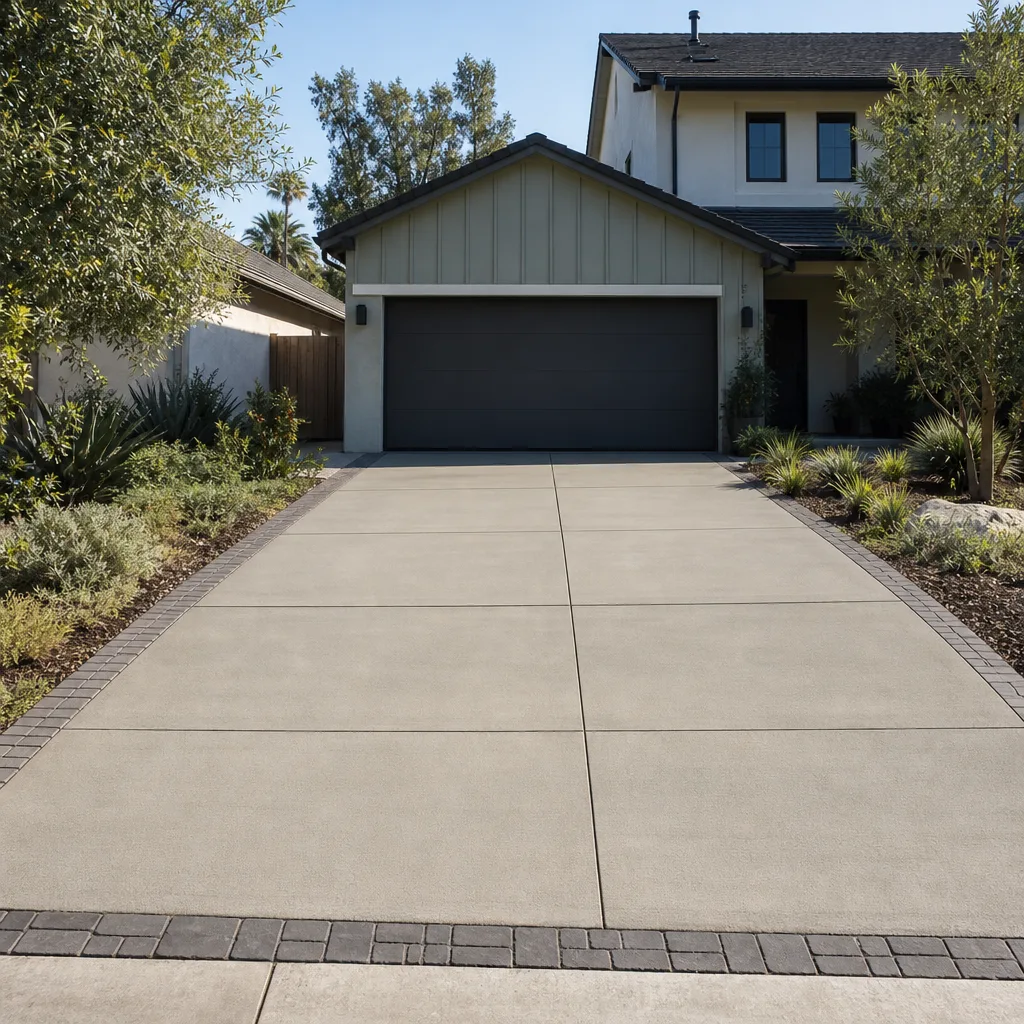
Fence installation in East Los Angeles typically runs $28 to $65 per linear foot installed, and a new driveway or paver patio runs $12 to $28 per square foot depending on material and base preparation. A typical 100-foot fence lands between $2,800 and $6,500. For driveways, base preparation is where the real money hides: a driveway that fails is almost always one where the base was skipped, not one where the pavers were cheap. We install hardscape using six major paver brands – Belgard, Unilock, Techo-Bloc, Tremron, Cambridge Pavers, and Oldcastle – which gives you genuine material choices rather than a single take-it-or-leave-it spec.
Fence systems matter the same way. Products like Bufftech and ActiveYards give you defined profiles, colors, and warranties to choose between instead of a generic panel. When you plan a fence alongside a driveway and a roof replacement, one crew sequences the work so the fence isn’t set before heavy material deliveries finish, and the pavers aren’t laid before the fence posts are set. Our driveway & pavers page goes deeper on base construction and material selection, and our fence installation page covers post-setting, gate alignment, and property-line considerations for this part of the county.
Fencing and driveway cost drivers
- Linear feet and gates: longer runs and custom gates add cost.
- Base depth for hardscape: proper compacted base is non-negotiable for a driveway that lasts.
- Drainage: grading that moves water away from the house and fence line.
- Access: tight lots and alley access affect how materials get staged.
Kitchen and Bathroom Remodel Costs
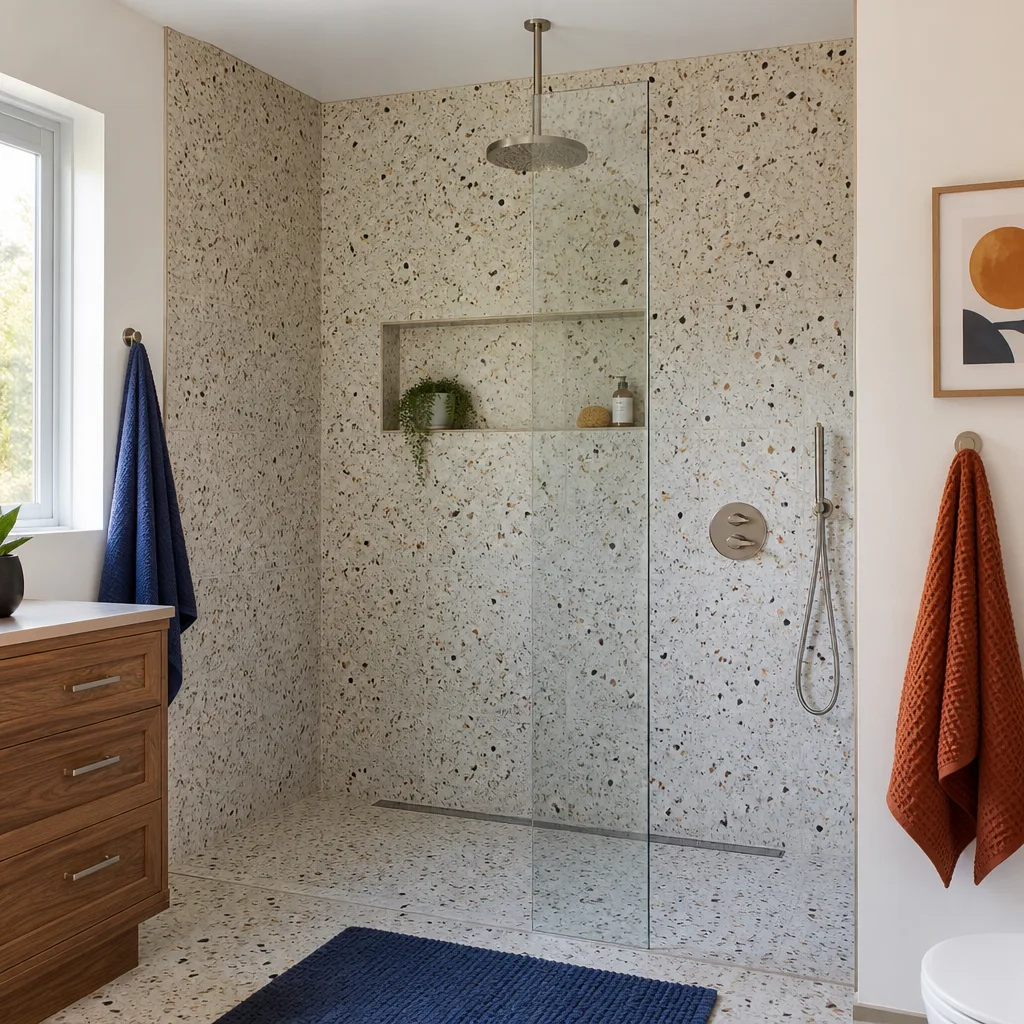
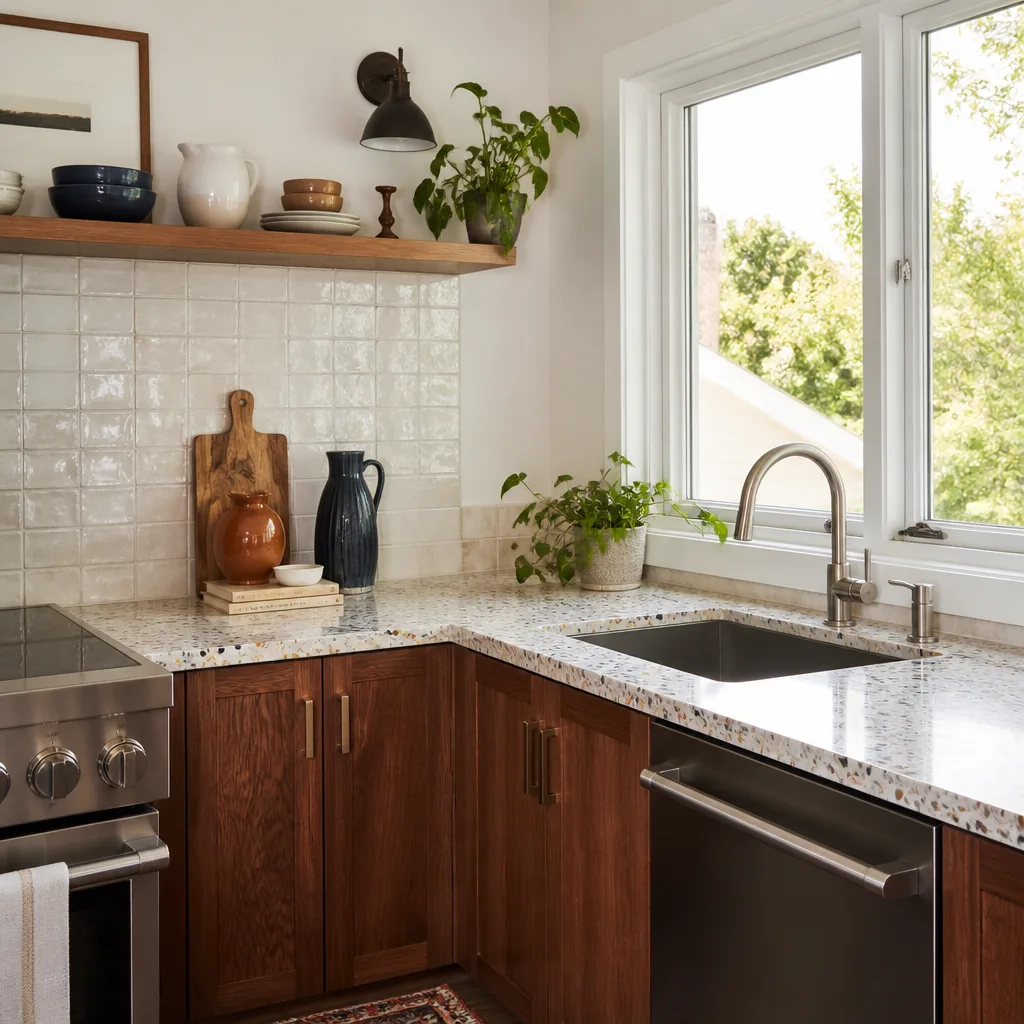
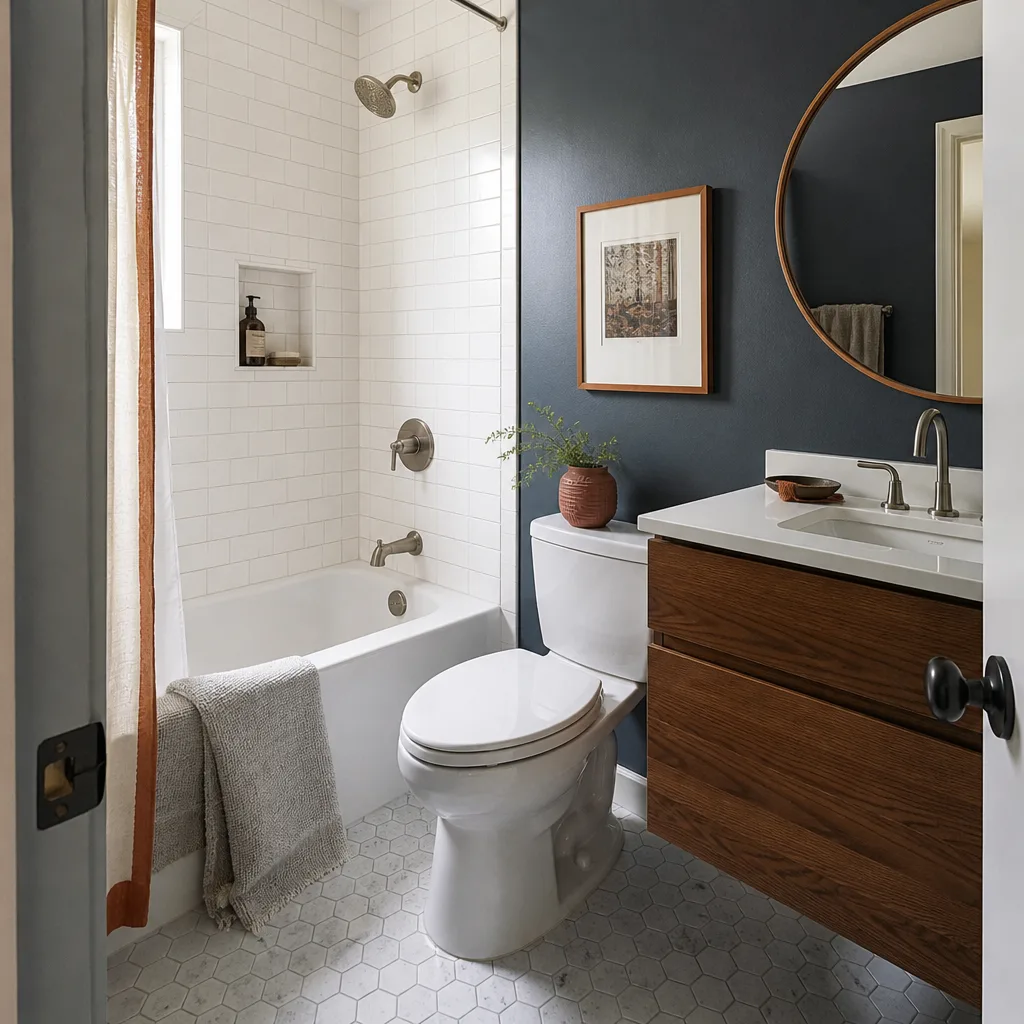
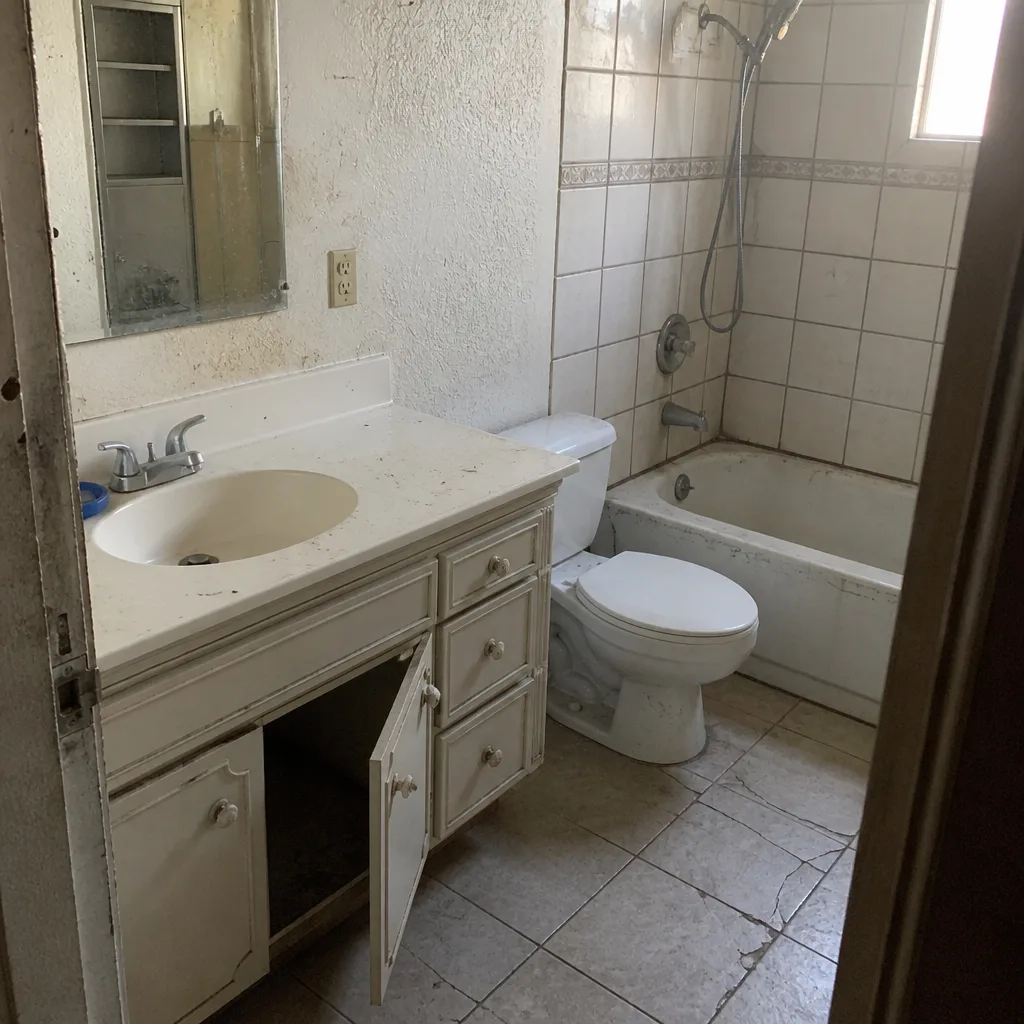
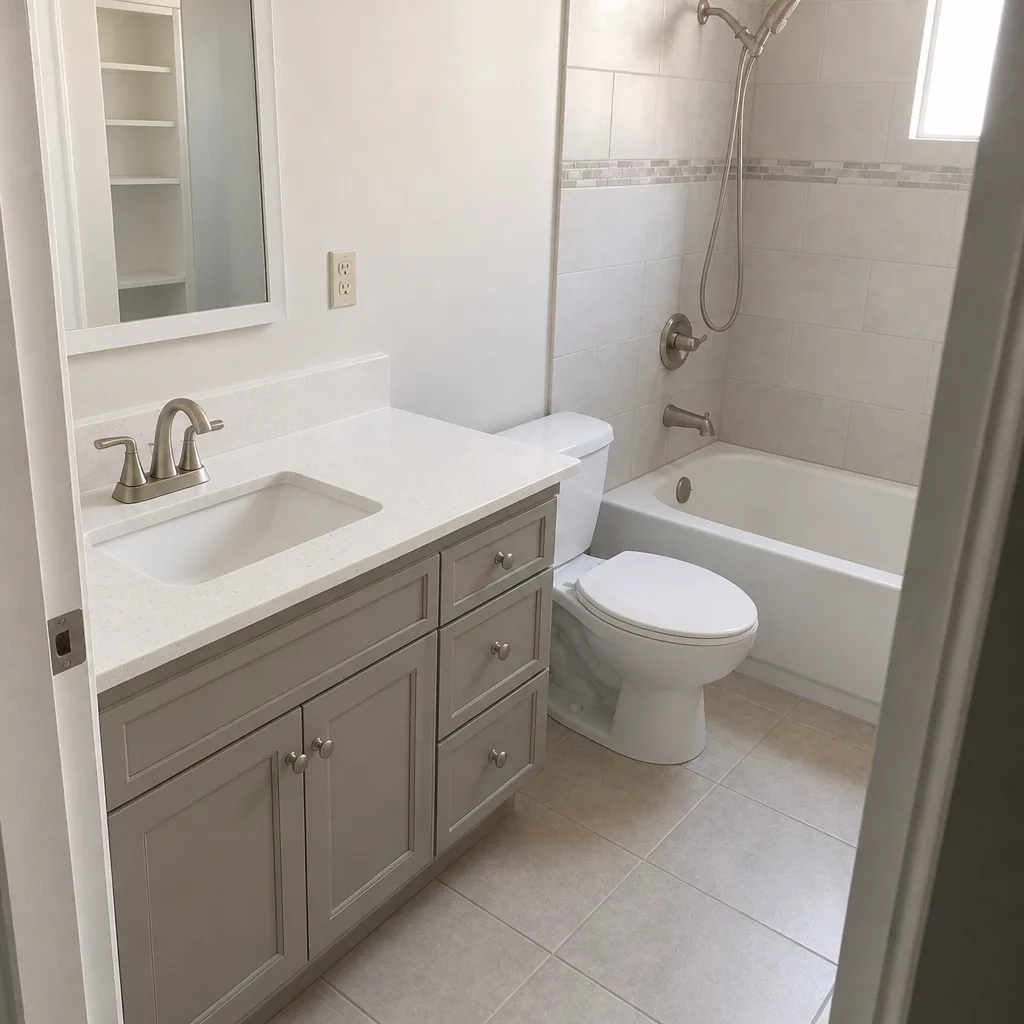
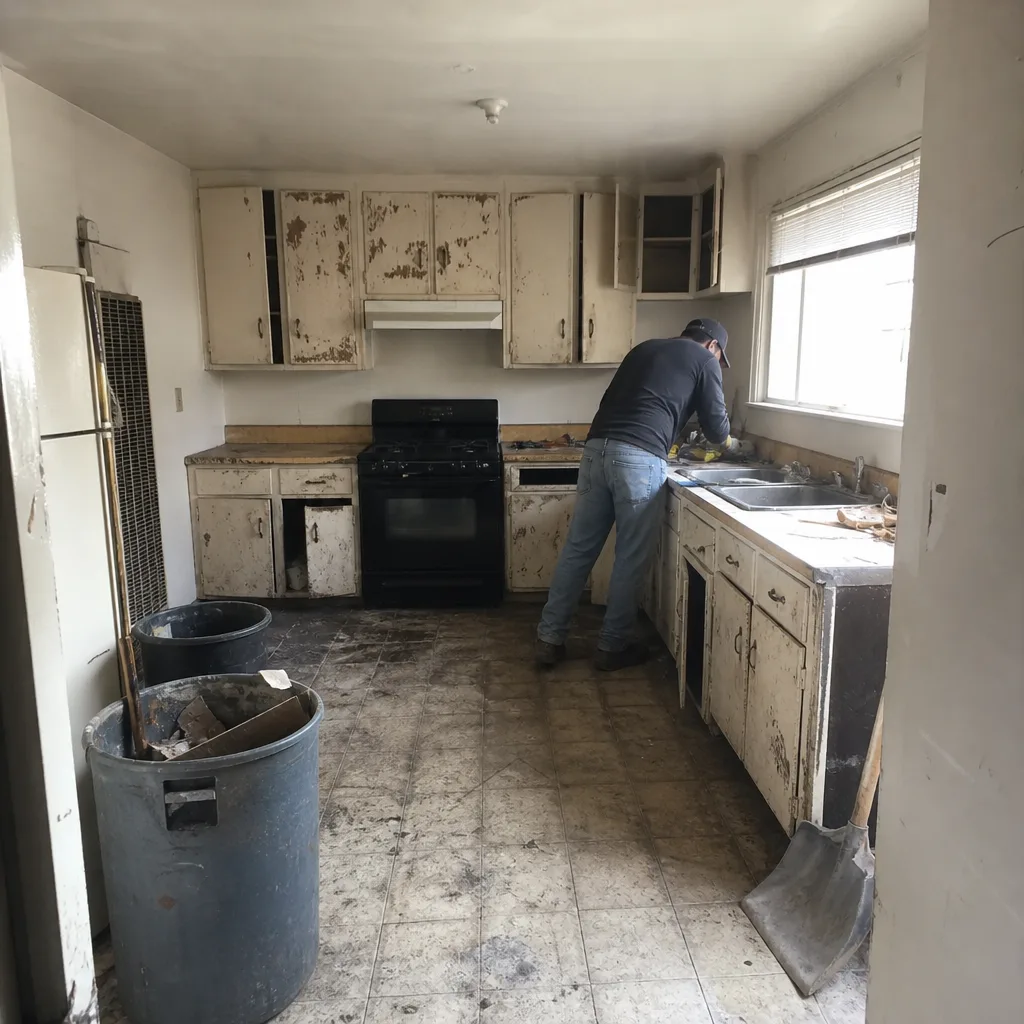
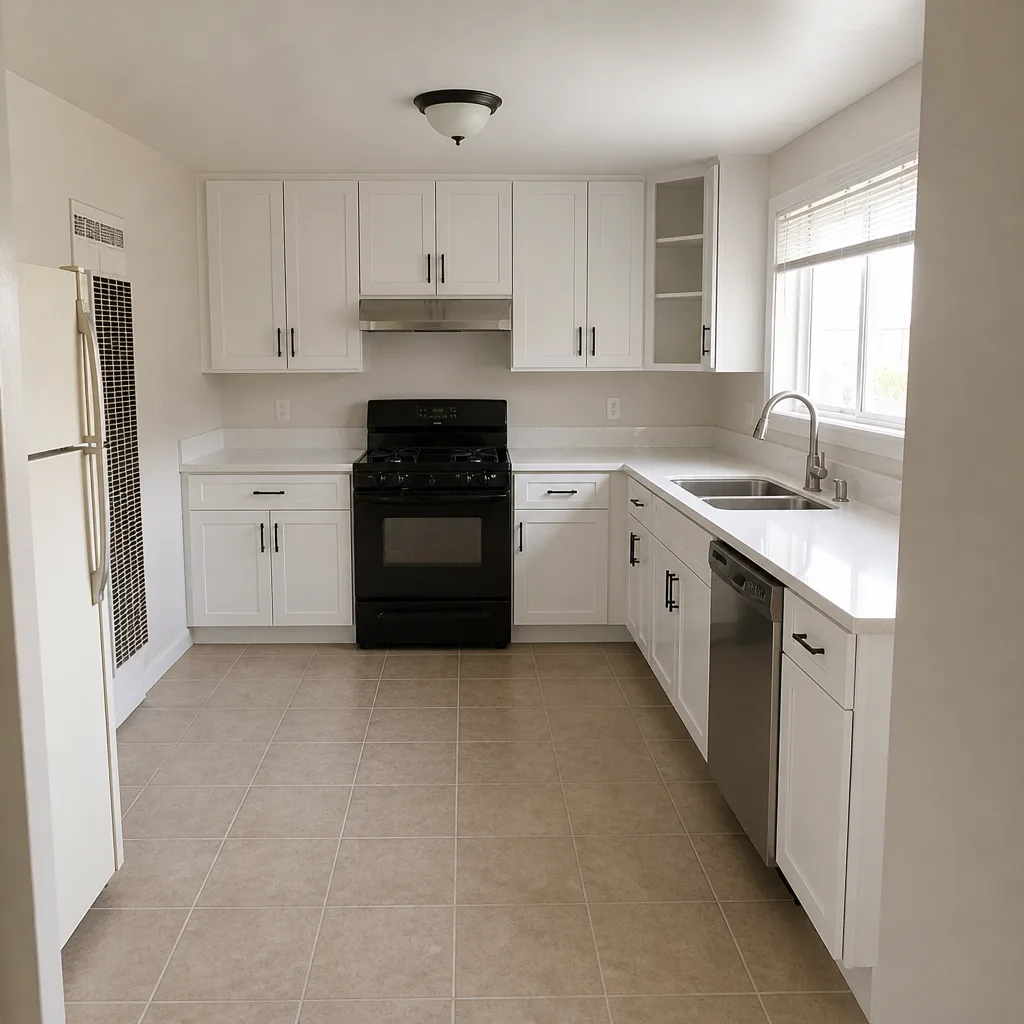
A kitchen remodel in East Los Angeles in 2026 typically runs $30,000 to $75,000, and a bathroom remodel runs $18,000 to $32,000. Those ranges assume licensed labor, permits, and mid-grade finishes. A basic kitchen refresh – new cabinet fronts, counters, and fixtures without moving walls or plumbing – sits at the low end. A full gut with layout changes lands at the top. Bathrooms follow the same logic: a straightforward tub-and-tile refresh is far cheaper than a full reconfiguration, and pre-1970 tile-over-tile bathrooms often add discovery costs once the old layers come out.
Cabinet and surface choices drive the widest spread. Our kitchen programs are built on KraftMaid and Wellborn cabinetry paired with Cambria, Caesarstone, or Silestone surfaces, and plumbing fixtures come from eight major manufacturers including Kohler, Grohe, Moen, Delta, Blanco, and American Standard. Those are real choices, not a single package. Cambria and Caesarstone, for example, are both quartz surfaces, but they differ in veining, slab availability, and how they read against different cabinet finishes – the kind of comparison worth having before you commit. Bathrooms draw from the same fixture lines, so a Kohler or Toto toilet and a Grohe or Delta shower valve can be specified together.
What moves a kitchen or bath between tiers
- Layout changes: moving plumbing or electrical adds cost and permit scope.
- Cabinetry line: KraftMaid and Wellborn offer multiple door styles and finish levels.
- Countertop surface: quartz, natural stone, and solid surface sit at different price points.
- Fixture selection: Kohler and Grohe versus Moen and Delta changes the fixture budget noticeably.
- Discovery in older homes: tile-over-tile, dated wiring, and rough plumbing often need reworking.
Remodels are planned work, not emergencies. Nobody gut-renovates a kitchen in a day, and we don’t promise otherwise. What we do promise is a written line-item quote, permits pulled and inspections passed, and fixed pricing with no change orders once the scope is set.
ADU Cost Per Square Foot: Detached, Attached, and Garage Conversion
ADU construction in East Los Angeles runs roughly $180,000 to $350,000 for a detached unit, $130,000 to $260,000 for an attached unit, and $90,000 to $180,000 for a garage conversion in 2026. On a per-square-foot basis, conventional site-built construction typically lands between $250 and $450 per square foot, while prefab and modular systems can bring that down or up depending on site work and utility connections. The big three cost categories are site work, utility connections, and finishes – and garage conversions usually win on cost because the structure and foundation already exist.
LA County’s setback and utility connection requirements shape every ADU budget here. Detached units need their own utility runs, which means trenching, new electrical service, and separate water and sewer connections. Attached units share those systems with the main house, which saves money but ties the design to the existing structure. Garage conversions need the least new utility work, but they still need upgraded electrical, proper insulation, and a full kitchen/bath build-out to be livable.
Two paths to an ADU
- Site-built: conventional construction, fully customizable, sequenced trade by trade. Better for complex lots and designs that need to match the main house.
- Prefab or modular: manufactured units from makers like Abodu, Dvele, Boxabl, Mighty Buildings, and Plant Prefab, delivered and set on site. Faster to occupy, more predictable in cost, though site work and utility connections still run through a contractor.
Whether you’re after rental income, multigenerational living, resale value, or a home workspace changes which option makes sense. Our home additions & ADU page covers setback rules, utility connection requirements, and both prefab and site-built paths in more depth.
Hidden Cost Categories Most Estimates Omit
The difference between a quoted price and a final bill usually lives in four categories most online estimates never mention. Expect all four to appear on any honest East Los Angeles estimate, and if they don’t, ask why.
- Permit and inspection fees by project type. Fees vary with project scope and valuation. A bathroom remodel, a roof replacement, and an ADU each carry different fee structures, and unincorporated areas of LA County follow county building department rules rather than a city’s. Inspection scheduling also adds calendar time, which you should factor into the project timeline.
- Material escalation clauses. Lumber, shingles, and appliances can shift in price between contract signing and delivery. A well-written contract states how material price changes are handled so a mid-project jump doesn’t become a surprise.
- Discovery costs in older homes. Pre-1970 housing in East Los Angeles often hides tile over tile, outdated wiring, and rough plumbing that needs reworking before new finishes go in. A solid estimate carries a contingency line for this rather than burying it in a vague allowance.
- Prevailing wage rules on publicly funded projects. If any part of your project uses a public funding component – PACE loans or certain grants – LA County prevailing wage rules can apply, which raises labor cost compared to a straight private-pay job. If you’re paying privately, those rules generally don’t apply. Know which side of the line your project sits on before you compare bids.
We write every estimate to show these categories line by line. A written line-item quote, not a round number, is the only way to compare two bids fairly. That’s also why the final price sets from the written estimate, not from a ballpark figure mentioned on the phone.
Why One Multi-Trade Contractor Costs Less Than Specialty Subs
Assembling a roster of specialty subs for a full renovation looks simple on paper and gets expensive fast. Three cost leaks drive the difference: markup stacking, mobilization fees, and sequencing delay costs. Markup stacking happens when each sub adds its own margin on top of the last, so by the time the general contractor’s markup lands, you’ve paid margin three or four times over. Mobilization fees hit every time a new crew shows up, sets up, and stages materials – a cost that repeats with each trade. Sequencing delays cost money in the gaps between trades, when no one is working but the clock on permits and site security keeps running.
One contractor managing all seven categories – roofing, windows and doors, fencing, driveways and pavers, kitchen remodeling, bathroom remodeling, and home additions/ADUs – eliminates all three. Sequencing gets planned once. A single point of accountability covers permit to punch list. The exterior envelope goes in the right order, so roofing leads, windows follow, and hardscape comes after heavy material deliveries finish. When everything is under one roof, a problem in one phase doesn’t turn into finger-pointing between two subs who each blame the other.
We work with more than 50 named product brands across roofing, windows and doors, cabinetry, countertops, plumbing fixtures, fencing systems, and paving. That breadth isn’t decoration – it means material selection gets made against your budget and priorities, not against what a single sub happens to stock. It also means a phased renovation, where you do one category this year and another next year, gets planned as one project from the start. Browse our construction East Los Angeles services to see how the seven categories fit together on a whole-home scope.
Common Mistakes to Avoid
- Budgeting from national averages. Online calculators pull from mixed markets and average the number down. LA County labor rates, permit fees, and delivery surcharges push real East Los Angeles costs above those figures every time.
- Comparing bids without line items. A single round number from one contractor and a line-item quote from another aren’t comparable. Ask for written line-item bids across all of them.
- Skipping the permit question. Unpermitted work can complicate resale, and in unincorporated areas of LA County the permit scope follows county rules, not city rules. Ask before work starts.
- Choosing materials before seeing choices. Picking a shingle, cabinet line, or paver from a single-sample spec means you never see what else exists in the same budget. Ask to see the full range of options.
- Scheduling trades in the wrong order. Roofing before windows, hardscape after heavy material deliveries, fence after final grade. Getting the sequence wrong damages finished work and costs more to fix than to plan.
- Ignoring discovery risk in older homes. A pre-1970 bathroom or kitchen usually hides something behind the tile or under the floor. A real estimate includes a contingency line; a suspiciously low bid doesn’t.
- Forgetting inspection timing in the schedule. Inspections take calendar time. Projects that don’t account for scheduling gaps end up costing more in idle labor and delays.
See the difference
 Before
 After
 Before
 After
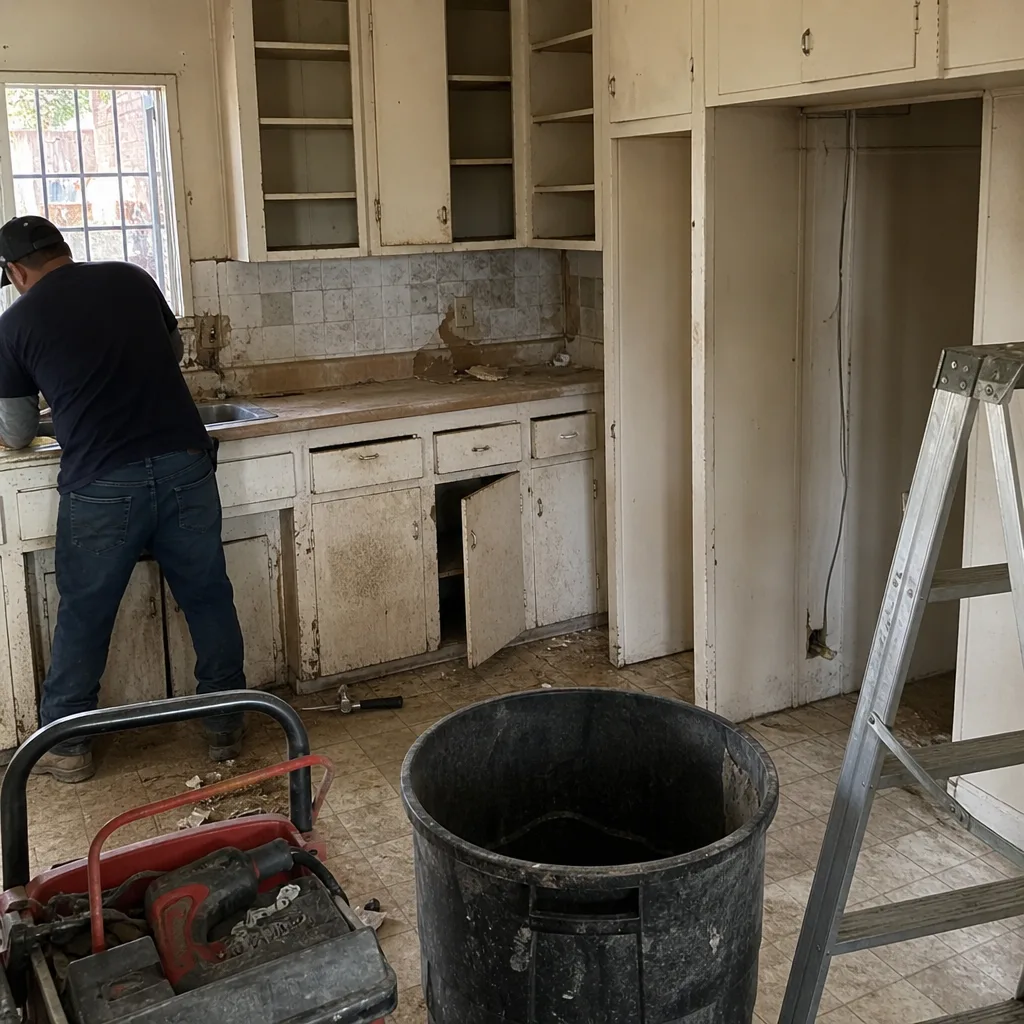 Before
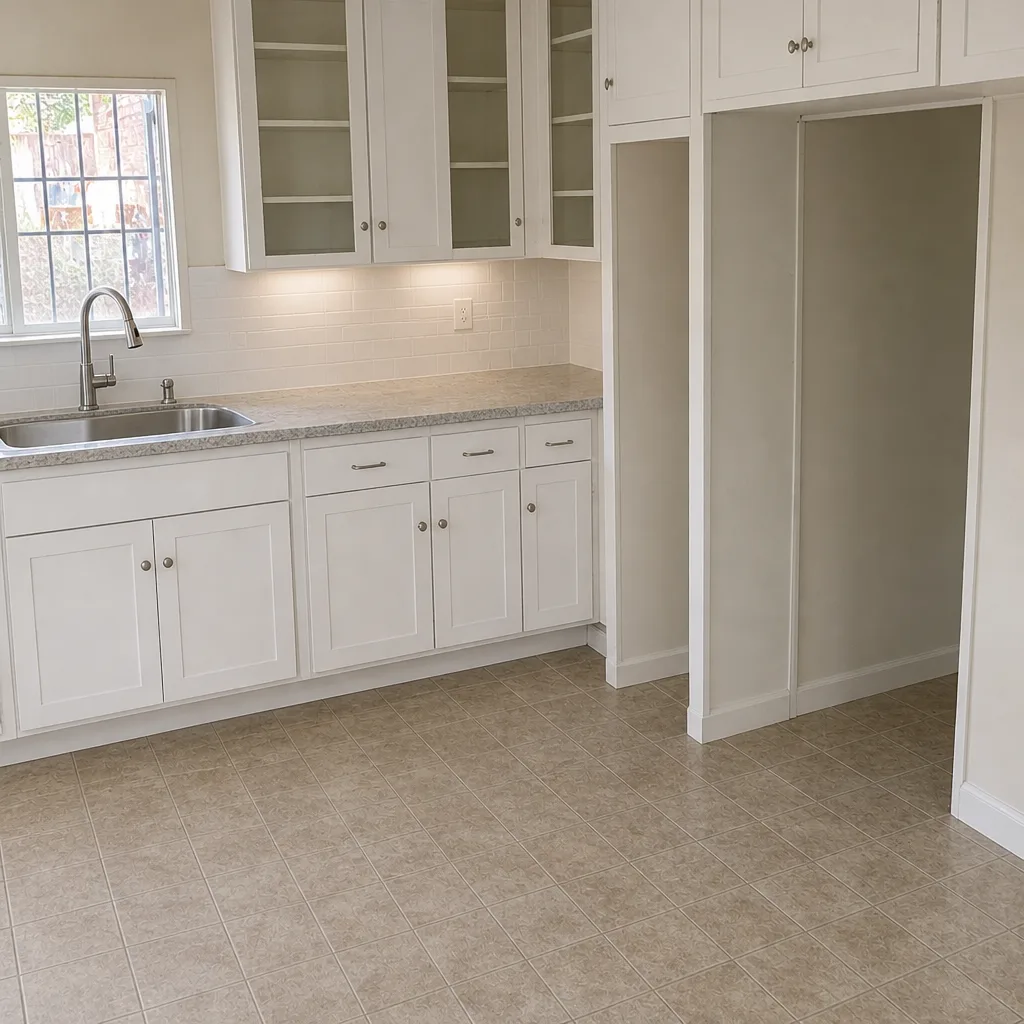 After
When to Call a Professional
Some tasks belong to a trained professional because getting them wrong causes real harm. Roof work means height and falls. Electrical panel work means shock and fire risk. Gas line work means a genuine safety hazard, not a weekend project. If your project involves any of these, or if it involves moving a load-bearing wall, changing a home’s layout, or adding an ADU with new utility connections, you need a licensed contractor, not a workaround. A roof that looks fine from the ground can hide soft sheathing and failed flashing, and you can’t tell without getting up there safely. Code requirements here are specific to LA County and to unincorporated areas, and getting the permit scope right depends on knowing which set of rules applies. In short: if the job involves height, structural change, gas, or the electrical panel, call someone who does it every day. Construction East Los Angeles offers free estimates in East Los Angeles – call (844) 320-6084. We answer 24/7. Fast dispatch from 7am to 7pm, Sunday through Friday.
Frequently Asked Questions
A kitchen remodel in East Los Angeles typically runs $30,000 to $75,000 in 2026, with basic refreshes at the low end and full guts with layout changes at the top. Cabinet and countertop selection drives much of the spread, and older homes may add discovery costs once walls open up. Call (844) 320-6084 for an exact quote – estimates are free.
LA County labor rates, permit and inspection fees for unincorporated areas, and material delivery surcharges into a dense urban zone all push costs above national averages. Discovery costs in pre-1970 homes add another layer that a national calculator doesn’t capture. A written line-item estimate is the only way to see your real numbers, and ours are free.
Site-built ADU construction in East Los Angeles typically lands between $250 and $450 per square foot, though the total depends on whether the unit is detached, attached, or a garage conversion. Detached units need their own utility runs; garage conversions usually cost the least because the structure already exists. Call (844) 320-6084 to talk through which option fits your lot.
No, the written estimate sets the final price once the scope is agreed. We use fixed pricing with no change orders, so surprises in the written scope don’t turn into mid-project cost shifts. Discovery costs get planned into the estimate as a contingency line rather than added later. Call (844) 320-6084 to schedule your free estimate.
Yes, permits are pulled and inspections passed as part of the job. That’s true whether your project falls under a city building department or LA County rules for unincorporated areas. Permit fees and inspection timing appear as line items on your estimate. Call (844) 320-6084 to ask which rules apply to your address.
Yes, and doing so usually costs less than assembling separate specialty subs because it cuts markup stacking, mobilization fees, and sequencing delays. We manage all seven categories from permit to punch list, so finished work isn’t damaged by the next phase. Call (844) 320-6084 for a single written estimate spanning your whole project.
The Bottom Line
Construction costs in East Los Angeles in 2026 run above national averages, and the gap comes from labor rates, permit fee structures, delivery surcharges, and the discovery costs common in older homes. Budget against local ranges, not online averages. Expect a bathroom at $18,000 to $32,000, a kitchen at $30,000 to $75,000, a roof at $9,000 to $22,000, and an ADU between $90,000 and $350,000 depending on type. Build in contingency for discovery, and plan the order carefully so one phase doesn’t damage the next. One contractor handling every trade from permit to punch list usually costs less than stacking specialty subs, and gives you a single point of accountability throughout. The written, line-item estimate is what sets the final price, and ours is free.
Call (844) 320-6084 to schedule your free estimate on your East Los Angeles project. We answer 24/7. Fast dispatch from 7am to 7pm, Sunday through Friday.
Written by the team at Construction East Los Angeles.