Last updated November 18, 2026


Free written scope consultation - allowances, timeline, and change-order rules on paper before a single trade is scheduled
Construction Permits, Codes & Inspections in East Los Angeles, CA: What You Need to Know
Most permit guides you’ll find online are written for the City of Los Angeles. East Los Angeles isn’t in the City of LA. It’s unincorporated LA County, and the permits, fee schedules, online portals, and inspection booking systems are run by a different set of departments entirely. A homeowner who follows City of LA instructions will file in the wrong jurisdiction, wait weeks for a rejection, and sometimes discover that work already done was never inspected under the right code cycle. This guide walks through which county department handles what, where the permit lines actually fall for fences, roofs, and window swaps, how the ADU pathway works under the county’s rules, and when Title 24 energy compliance shapes your material specs before you ever break ground in East Los Angeles.
Quick Answer
Construction permits in East Los Angeles are issued by LA County, not the City of Los Angeles. Most structural, electrical, plumbing, and mechanical work requires a county Building & Safety permit, with the Department of Regional Planning reviewing land-use questions and the Fire Department reviewing certain project types. Fence height, roof replacement, and like-for-like window swaps have thresholds where a permit is or isn’t required, and getting the jurisdiction right is the single biggest factor in a smooth project.
Styles & brands we work with
- Kitchen remodeling
- Bathroom remodeling
- Home additions & ADU
- Roofing
- Windows & doors
- Driveway & pavers
- Fence
Table of Contents
- Which Department Handles Your Project in East Los Angeles?
- What Work Requires a Permit in East Los Angeles?
- ADU Permits Under LA County’s Ordinance
- When Does Title 24 Trigger, and How Does It Change Your Materials?
- Contractor-Pulled vs. Owner-Pulled Permits
- How the Inspection Process Works
- Sequencing Multiple Trades Around One Set of Permits
- Common Mistakes to Avoid
Which Department Handles Your Project in East Los Angeles?
East Los Angeles sits in unincorporated territory, so three separate county departments can be involved in a single project depending on what you’re building. Knowing which one signs off first saves weeks of back-and-forth. Here’s how the responsibilities break down:
- LA County Building & Safety issues construction permits and conducts inspections for structural, electrical, plumbing, and mechanical work. Roof replacements, room additions, kitchen and bathroom remodels that move walls or fixtures, and window and door replacements that change opening dimensions all run through this department.
- LA County Department of Regional Planning handles land use, zoning, and discretionary approvals. If your project changes the footprint, adds a dwelling unit, or touches a setback or height limit, planning gets a look before building permits are issued.
- LA County Fire Department reviews projects that involve fire access, certain occupancy changes, and specific residential additions where fire-flow or access requirements may apply. Not every project triggers a fire review, but detached ADUs, larger additions, and projects on flag lots often do.
For East Los Angeles homeowners, the practical takeaway is simple: if the instructions you’re reading mention “LADBS” or “City of LA,” they don’t apply to you. The county has its own online portal for permit applications and its own scheduling system for inspections. Filing through the city portal in an unincorporated area is one of the fastest ways to lose a month. In our experience working across East Los Angeles, the mix of older housing stock and newer ADU construction means most projects here touch at least two of these departments.
What Work Requires a Permit in East Los Angeles?
The permit line in East Los Angeles isn’t as clean as most homeowners assume. Some work that feels major doesn’t need a permit, and some work that feels minor does. The county follows the California Building Standards Code, and its thresholds align with state rules, but the way they’re applied to real East Los Angeles properties can surprise people.
Work that almost always requires a county permit
- New room additions, ADUs, and any change to the building footprint or roofline
- Wall removal or any change to a load-bearing structural element
- Electrical panel replacement, new circuits, and most new wiring
- Plumbing re-routes, fixture relocations, and gas line work
- New or expanded window and door openings, including any change in rough opening size
- Full roof replacement (tear-off and re-roof)
- Fences over the county’s height threshold, and retaining walls over a set height
Work that is commonly misunderstood
Roof replacement is one of the most frequent sources of confusion. A full tear-off and re-roof generally requires a permit because the structural decking, underlayment, and flashing are all subject to inspection. A minor repair to a few shingles usually does not. The line is generally drawn at repair versus replacement, not at how many squares are involved.
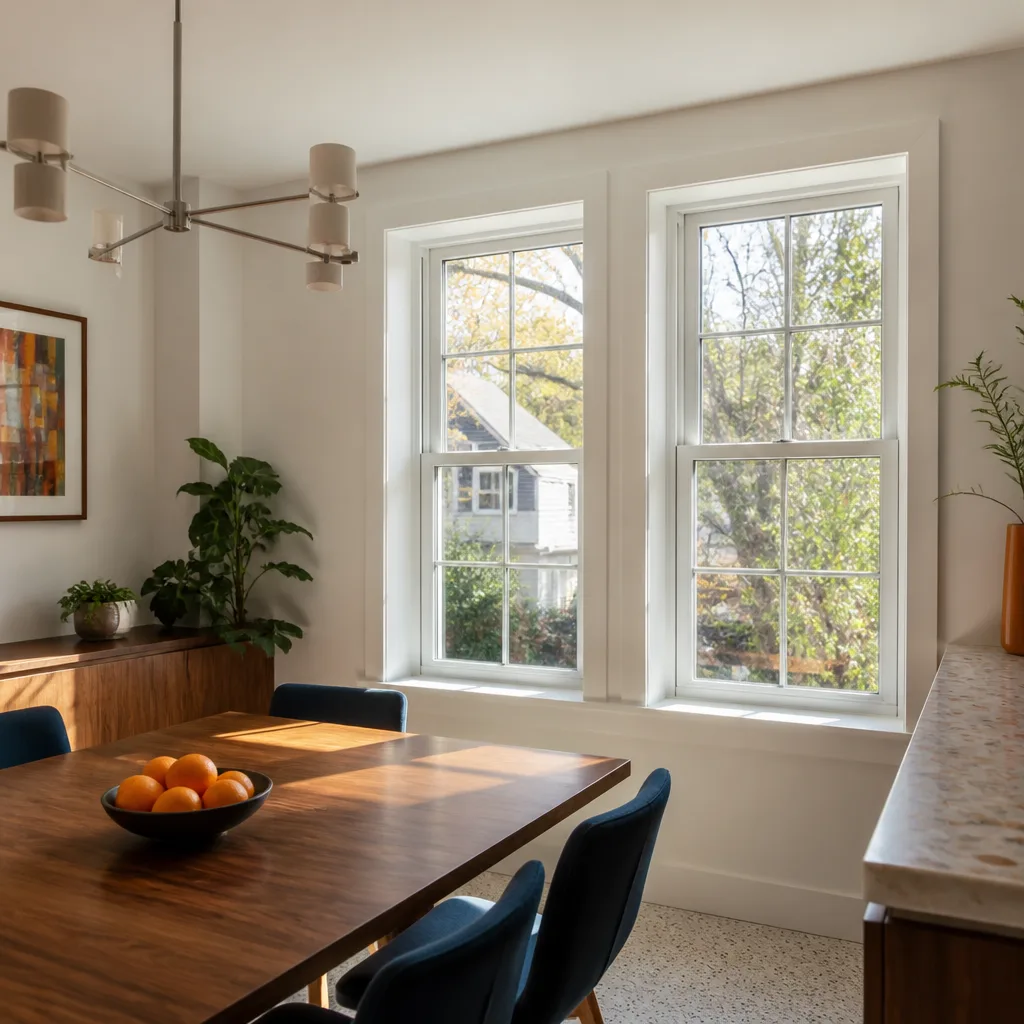
Window swap-outs are the other big one. If the new window goes into the same rough opening as the old one and meets the same energy performance as the original, a like-for-like swap is often exempt. If the opening changes size, if the frame material changes in a way that affects structural loading, or if the project triggers a Title 24 review (see the section below), you’re pulling a permit. In practice, we treat most whole-house window replacements in East Los Angeles as permit work because the size of a typical project almost always crosses that line.
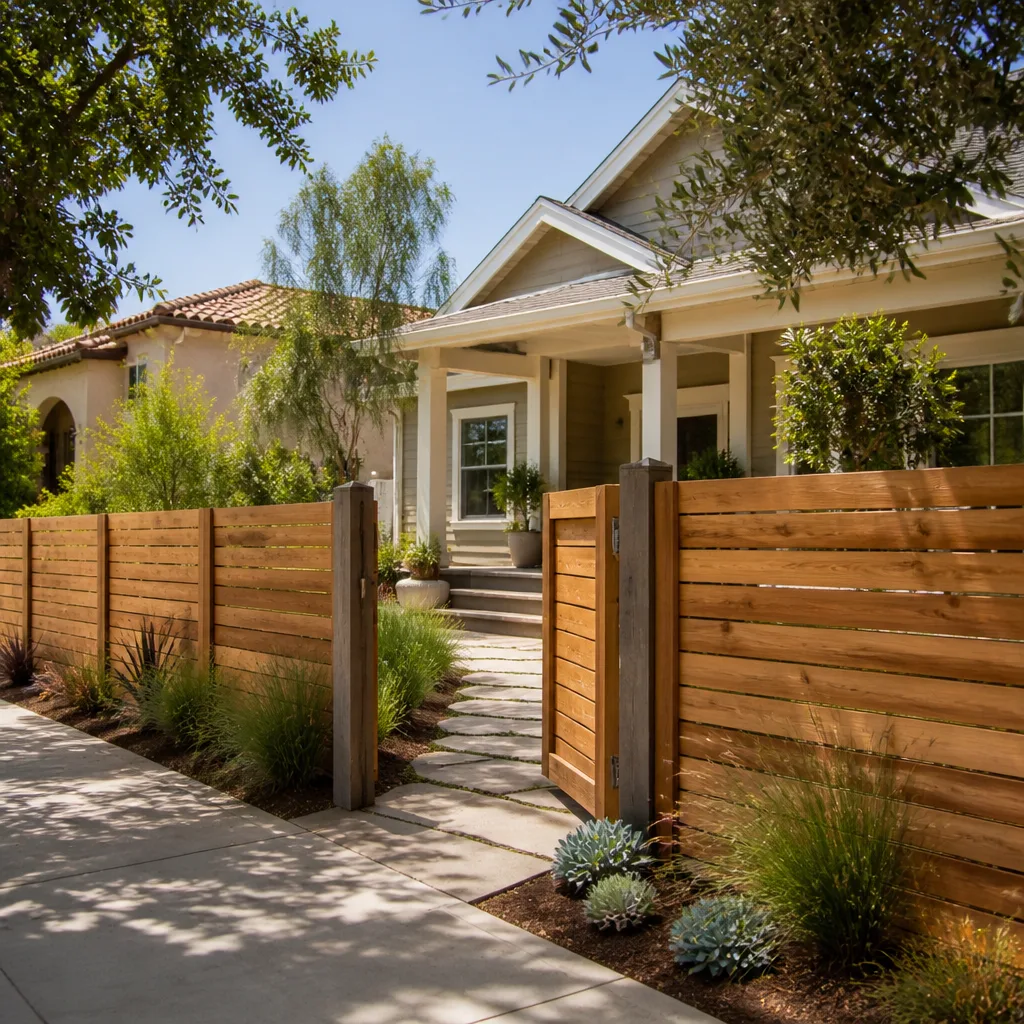
Fences are governed by height and location. A fence at or under the county’s standard residential height generally doesn’t need a permit; anything taller, or a fence placed in a location that affects sight lines, typically does. When we’re quoting fence installation, the permit question gets sorted before the materials are ordered.
ADU Permits Under LA County’s Ordinance
Accessory dwelling units are the single biggest permit category in East Los Angeles right now, and LA County has its own ADU ordinance that differs from the City of LA in meaningful ways. The state of California sets the floor on what must be allowed, but the county sets its own submittal requirements, plan review cadence, and pre-approved plan sets.
The fastest path to an approved ADU permit in East Los Angeles is usually a pre-approved plan set. LA County, like many jurisdictions, maintains a catalog of pre-reviewed ADU plans that have already been checked for code compliance. Choosing one of these shaves weeks off plan review because the structural and energy calculations are already done. The catch is that pre-approved sets are limited in size and configuration, so they suit straightforward detached units better than complex layouts or hillside sites.
For projects that need more customization, the conventional path looks like this:
- Feasibility check against the county’s zoning for your parcel, including setbacks, lot coverage, and height limits.
- Design and drafting to county submittal standards, including Title 24 energy calculations.
- Plan check through Building & Safety, with planning review if the project touches land-use limits.
- Permit issuance and a construction schedule tied to the inspection sequence.
- Final inspection and certificate of occupancy before the unit can legally be used or rented.
On the prefab side, brands like Dvele, Mighty Buildings, Boxabl, and Plant Prefab offer modular and panelized options that can reduce on-site construction time. Each prefab product still needs its own permit in LA County, but the plan review is often simpler because the factory has already certified the structure. When we plan home additions & ADU projects, we route the owner toward whichever path (site-built or prefab) fits their goal: rental income, multigenerational living, or resale.
When Does Title 24 Trigger, and How Does It Change Your Materials?
Title 24 is California’s energy code, and it kicks in on far more East Los Angeles projects than most homeowners expect. Any permit that touches the building envelope, windows, insulation, or HVAC typically requires a Title 24 compliance report as part of the submittal. The report is prepared by a certified energy consultant and specifies the exact performance targets your materials must hit.
This matters because it changes the shopping list, not just the paperwork. Here’s what typically shifts:
- Windows need to meet specific U-factor and solar heat gain coefficient targets. Aesthetic preferences are fine, but the glazing spec has to align with the report or the inspector won’t sign off.
- Insulation values are set per assembly, and the report will demand a specific R-value in walls, ceilings, and floors that are part of the scope.
- Roofing on a re-roof often triggers a cool-roof requirement or a tradeoff through additional insulation. That’s a material choice, not just a compliance checkbox.
- HVAC replacement usually requires a duct test and equipment meeting specific efficiency criteria.
The practical implication for an East Los Angeles remodel is that the material selection happens earlier than most people plan for. If you’re replacing windows or a roof, we lock in the Title 24 spec before ordering so the products on hand match what the county inspector will check. For a kitchen or bathroom remodel that only touches interior finishes, Title 24 usually doesn’t apply unless the scope includes envelope work.
Contractor-Pulled vs. Owner-Pulled Permits
Homeowners in East Los Angeles can legally pull their own permits for work on their primary residence in many cases. Whether they should is a different question. The permit is the easy part; the inspection record and the liability attached to the permit are what matter downstream.
What changes when the contractor pulls the permit
- The contractor is the permit holder of record and is responsible for corrections, re-inspections, and passing the final.
- The permit is tied to the contractor’s state license, so any problem with the work stays with them, not the homeowner.
- Final inspection clearance is the contractor’s obligation, which usually means they don’t leave the job until the sign-off is in hand.
- If the project is ever sold or refinanced, the permit record shows a licensed professional as the responsible party, which is what most buyers and lenders expect to see.
What changes when the homeowner pulls the permit
- The homeowner becomes the permit holder, which means any correction notices, expired-permit fees, and failed inspections are theirs to resolve.
- If the contractor walks off mid-job, the homeowner is on the hook for finding someone else willing to take over an open permit.
- Some contractors won’t touch work under an owner-pulled permit because it splits accountability in ways that can tie up their own crew.
- The final inspection is still the homeowner’s responsibility to close.
For a seven-trade project where the same company is installing the roof, windows, fence, driveway, kitchen, bathroom, and possibly an addition, having a single permit holder across the entire scope is one of the biggest friction reducers available. It’s a core reason we handle everything from Construction East Los Angeles permits to punch list under one point of contact.
How the Inspection Process Works
LA County’s inspection process is scheduled through its own system, separate from the City of LA’s, and booking availability shapes how a project moves. Here’s the sequence most East Los Angeles projects follow:
- Submit the permit application through LA County’s online portal, with plans and Title 24 documentation attached.
- Plan check response. The county either issues corrections or approves. Corrections are common and normal; the goal is a clear, complete submittal the first time.
- Permit issuance and posting. The permit and approved plans must be on site for each inspection.
- Rough-in inspections. Framing, electrical, plumbing, and mechanical are inspected before walls are closed.
- Insulation and envelope inspection after rough trades are done but before finishes go up.
- Interior and finish inspections as the scope reaches ready-to-cover status.
- Final inspection. The building inspector clears the project and the permit record closes.
What we’ve learned on East Los Angeles jobs is that pre-inspection readiness is the make-or-break step. A missed rough inspection can set a schedule back days or weeks depending on the county’s booking load, and a project with seven trades can end up with six different inspection dates if the sequencing slips. That’s a big reason we sequence work with inspections in mind from day one: roofing before windows so a fresh window install isn’t exposed to a tear-off, rough-ins batched so the county inspector handles them in the fewest possible visits, and finish work scheduled only after the envelope inspection has cleared.
Sequencing Multiple Trades Around One Set of Permits
East Los Angeles homes often get a phased project rather than a single clean scope: roof now, kitchen next spring, ADU the year after. Each phase has its own permit, its own inspection sequence, and its own Title 24 requirements, and the interactions between them are where most problems live.
The order we plan around is structural first, envelope second, interior last. Roof replacement goes before windows because the tear-off opens the roof deck and flashing, and there’s no point installing new windows into a shell that’s about to get worked on. Fence and hardscape (whether it’s a new driveway & pavers scope or a simple patio) come after the structural footprint is settled, because grading and drainage plans depend on the final building outline. Kitchen and bathroom finishes come last because their rough-in inspections depend on the plumbing and electrical layout being finalized everywhere else.
What makes this manageable is that all seven trades (roofing, windows & doors, fencing, driveways and pavers, kitchen remodeling, bathroom remodeling, and home additions/ADUs) are planned under one contract. There’s no gap where the roofer wraps up and the window installer is waiting on a subcontractor they’ve never met. On East Los Angeles projects where the kitchen, bathrooms, and ADU are all in scope, having the same materials standards across all three (like quartz surfaces from Cambria, Caesarstone, or Silestone across every counter) shortens the finish selection phase and keeps the submittal package consistent with what Title 24 approved.
Common Mistakes to Avoid
- Filing with the City of Los Angeles instead of LA County. East Los Angeles is unincorporated. The portals, fees, and inspection systems are completely different, and a City of LA filing for an East Los Angeles parcel will be rejected, usually weeks after submission.
- Assuming a like-for-like window swap never needs a permit. If the project triggers a Title 24 review for any reason, or if the rough opening changes, the permit is required. We treat whole-house window replacements as permit work unless we can confirm otherwise in writing.
- Ordering materials before Title 24 compliance is confirmed. Getting the glazing spec, insulation R-values, or roofing reflectance wrong on a material order means a failed inspection and a return. Lock the spec first, then order.
- Pulling the permit as the homeowner and then hiring a contractor. The permit holder becomes responsible for every correction and inspection, and plenty of contractors won’t take on an owner-pulled permit mid-project.
- Running the trades out of order. Replacing windows before the roof is torn off exposes the new window install to debris and water intrusion. Sequence envelope work from the top down.
- Skipping the ADU pre-approved plan option. For a straightforward detached unit, the pre-reviewed catalog plans save weeks in plan check because the structural and energy work is already done.
- Letting a permit expire. County permits have a clock on them. If the project stalls between phases, the permit can lapse and require a renewal or a fresh submittal.
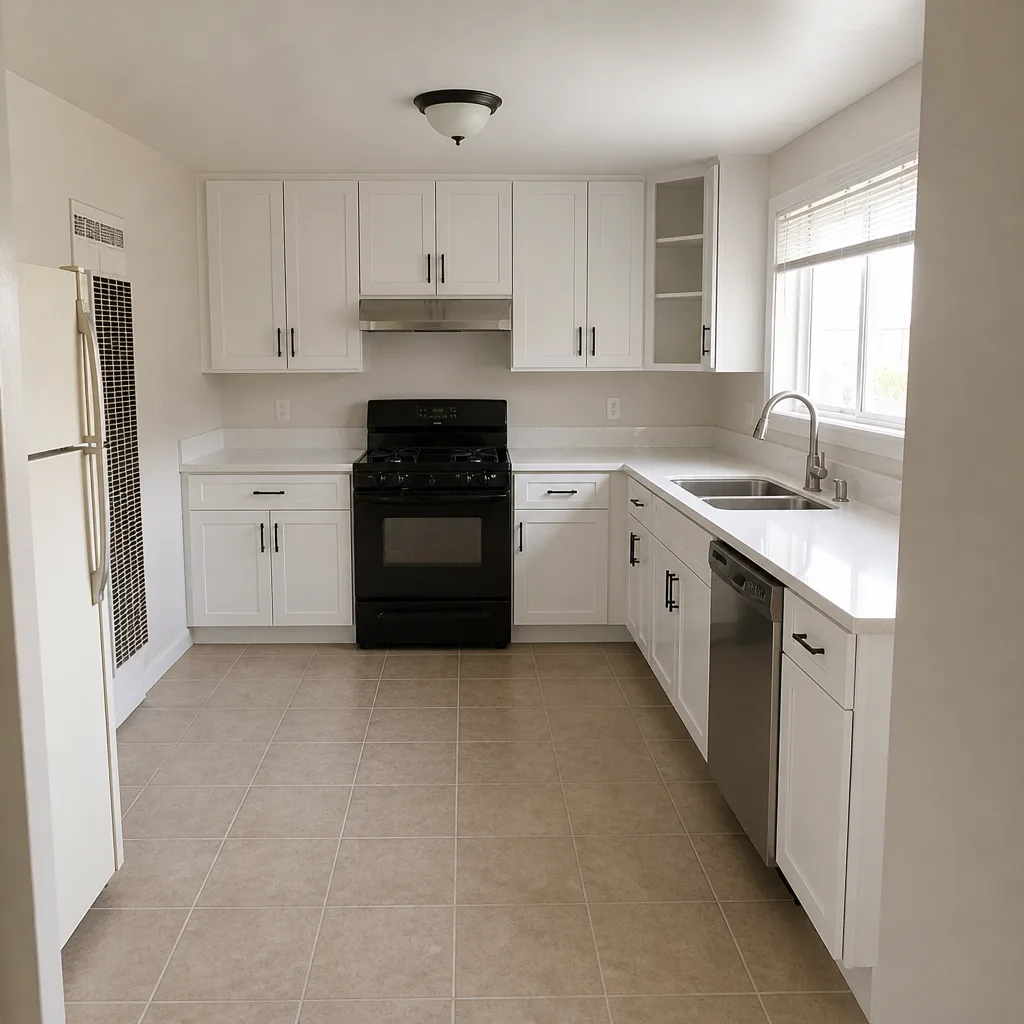
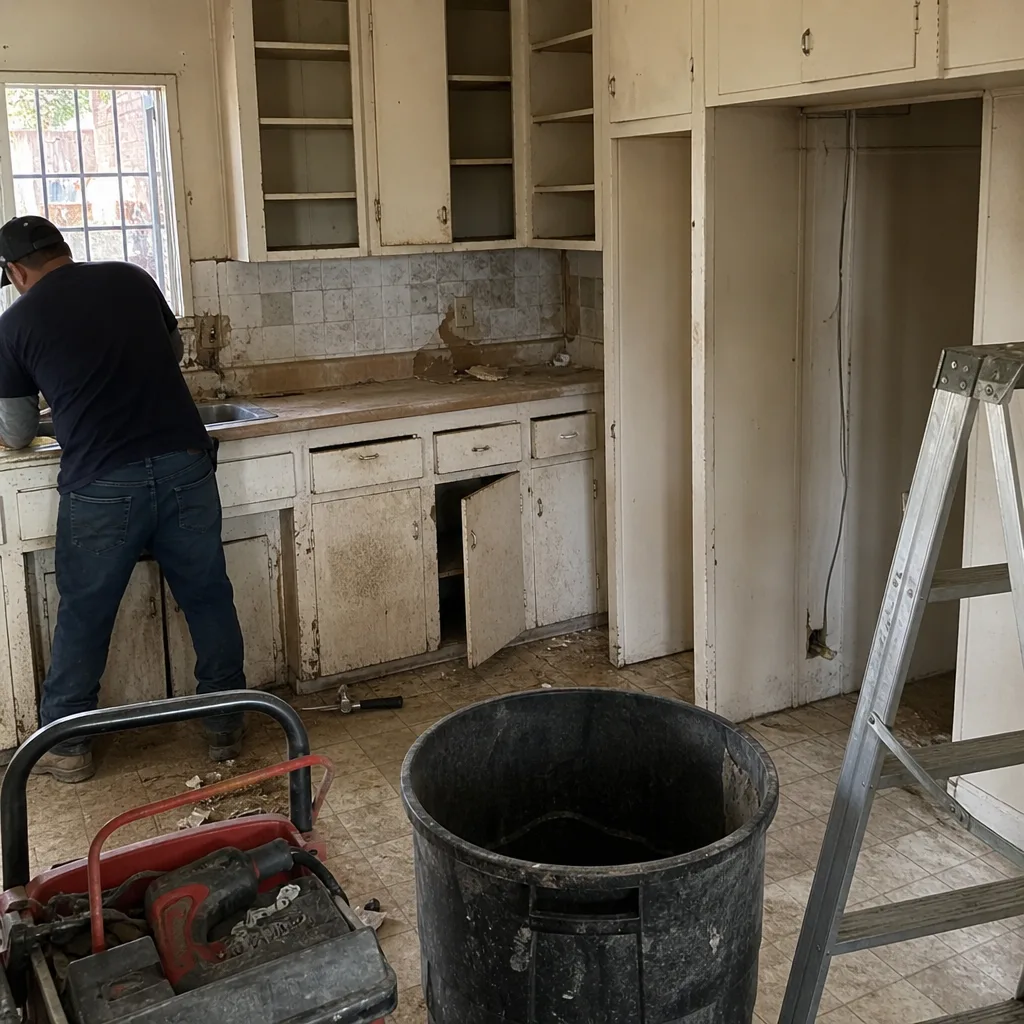
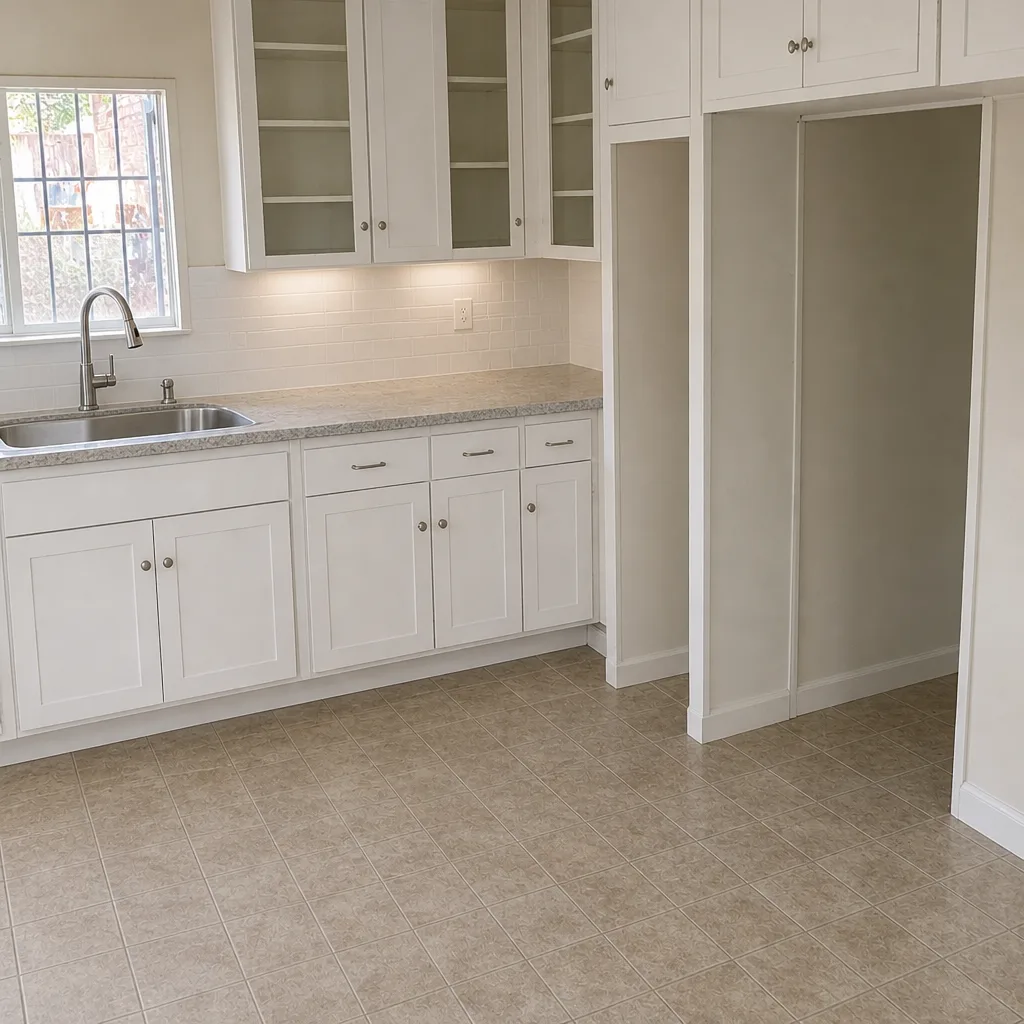
See the difference
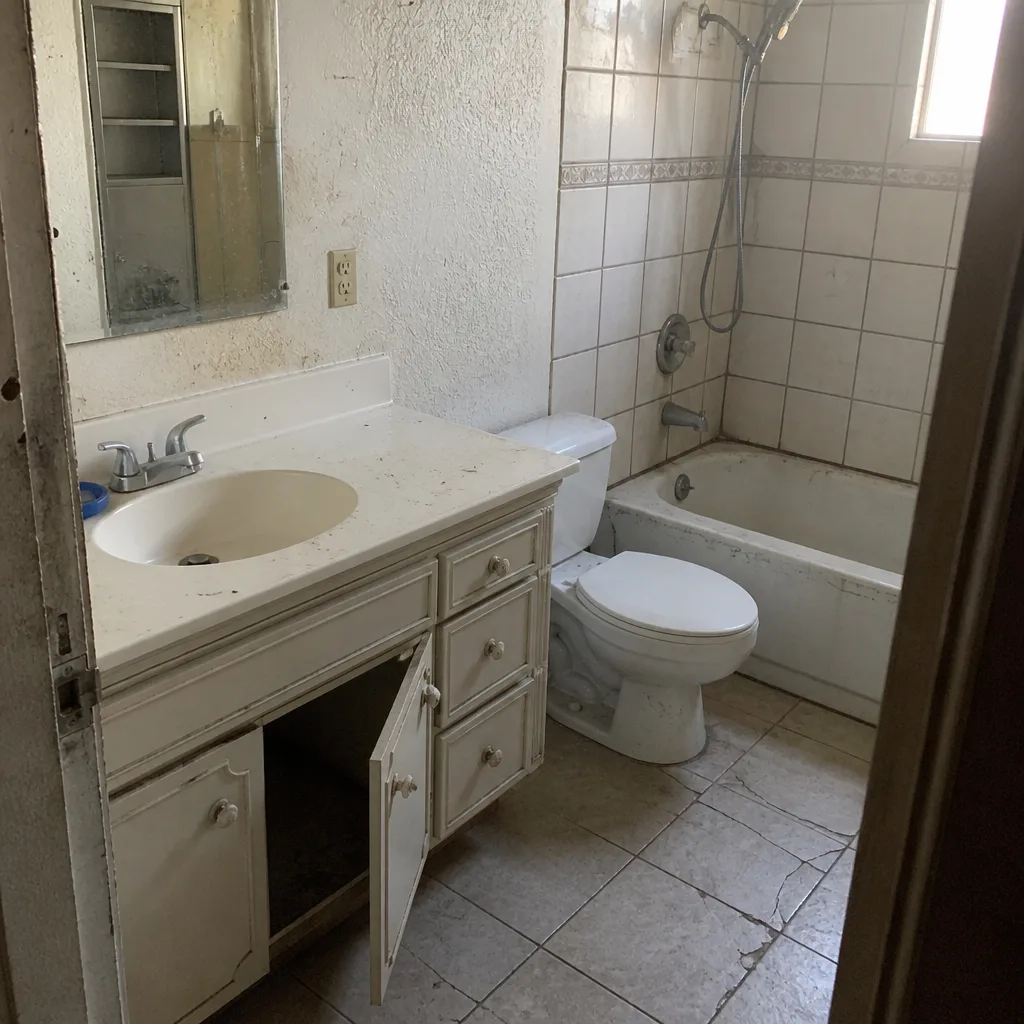 Before
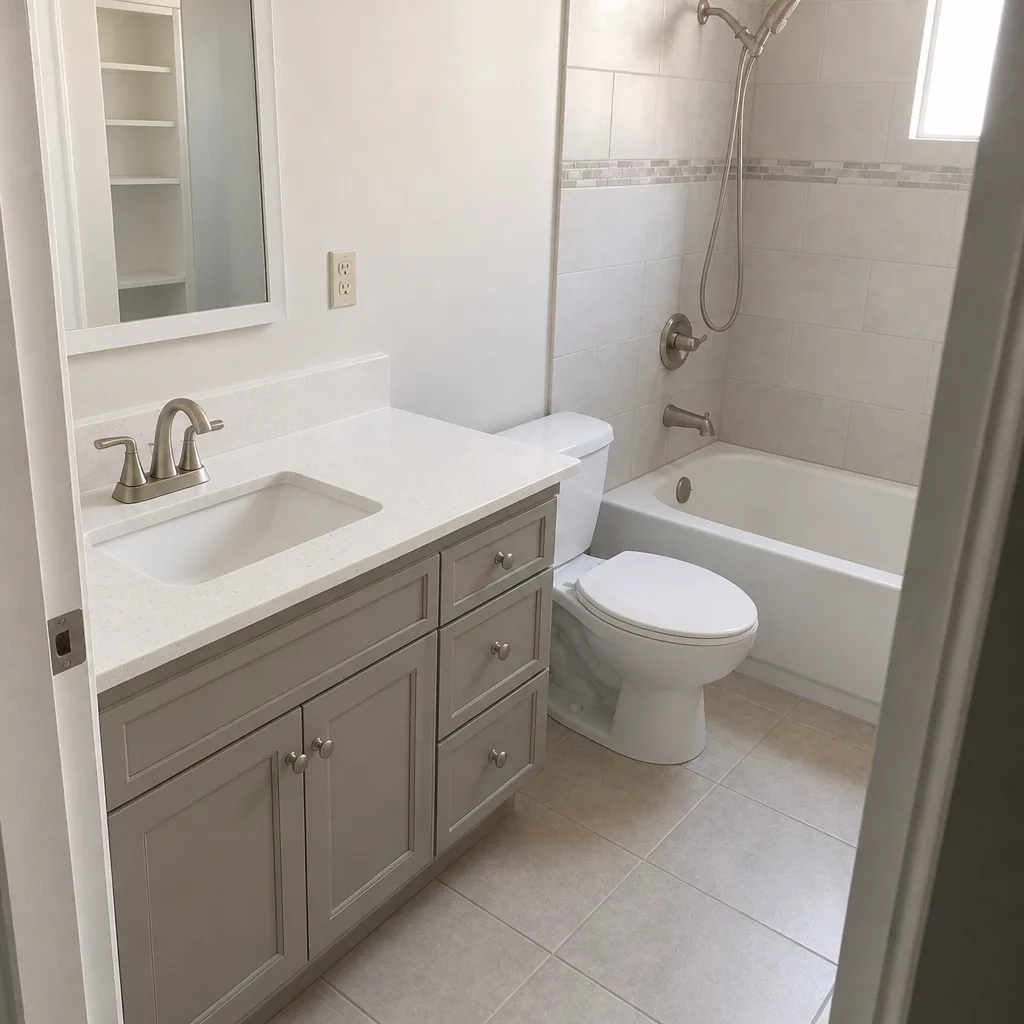 After
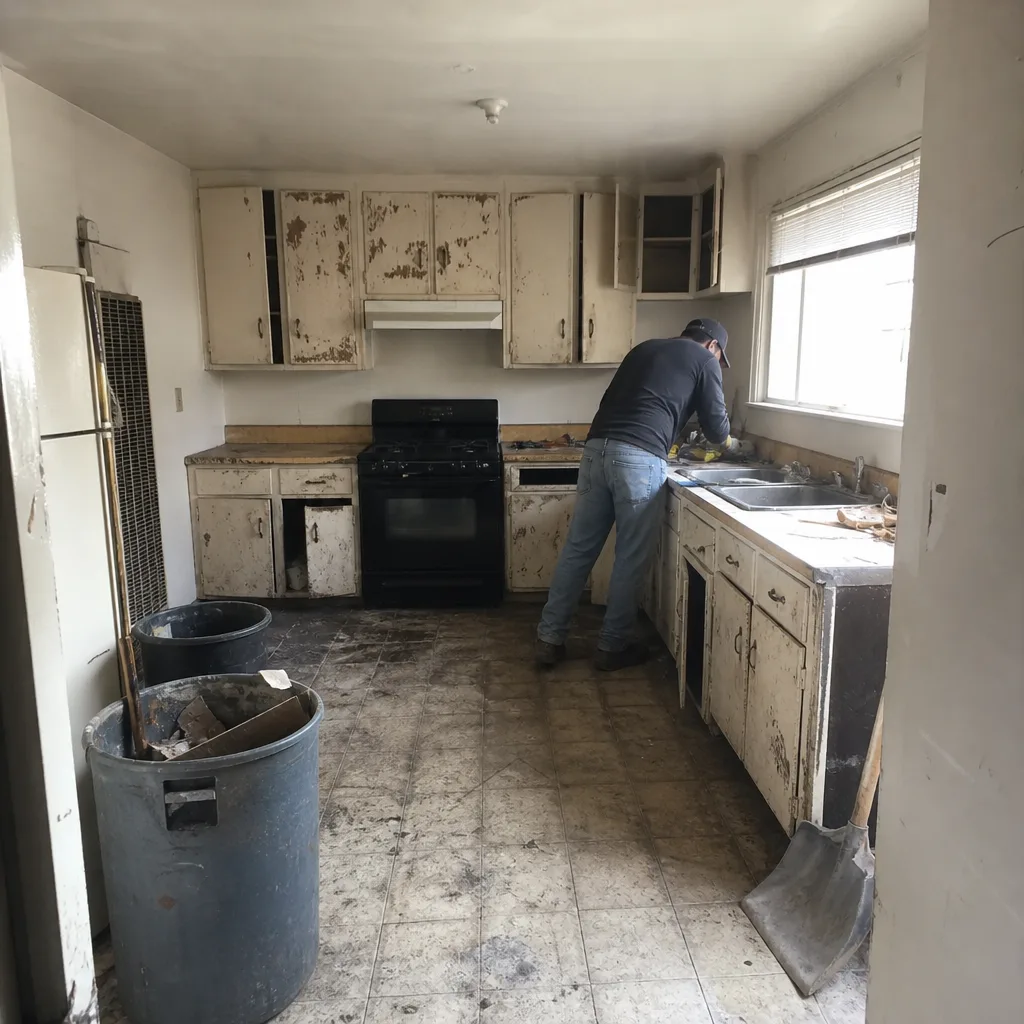 Before
 After
 Before
 After
When to Call a Professional
Call a professional when the project crosses more than one permit threshold, when you’re not certain which LA County department has jurisdiction over part of the scope, when the project touches the envelope and Title 24 may be triggered, or when the permit has already been pulled by someone else and you’re inheriting it. Those are all situations where a wrong guess delays the whole schedule, and where a single point of contact matters more than saving a permit fee.
Construction East Los Angeles handles the full scope from permit application through final inspection across roofing, windows and doors, fencing, driveways and pavers, kitchens, bathrooms, and home additions and ADUs. Our technicians have up to 8 years of experience, we work with 50+ named product brands across those categories, and we keep every trade under one contract so nobody is pointing fingers when the county inspector walks through.
Construction East Los Angeles offers free estimates in East Los Angeles – call (844) 320-6084 to schedule yours.
Frequently Asked Questions
Yes, for most structural, electrical, plumbing, mechanical, and envelope work. East Los Angeles is unincorporated LA County, so permits come from LA County Building & Safety, not the City of Los Angeles. Room additions, ADUs, roof replacements, wall removals, and window replacements that change the rough opening all require a county permit; a few minor repair-type projects don’t, but the line is not as obvious as it looks. Call (844) 320-6084 for a free estimate and we’ll tell you where your project sits – no guesswork.
LA County Building & Safety issues the permit and runs the inspections. LA County Department of Regional Planning reviews land use and zoning questions, and the Fire Department reviews certain residential addition and ADU projects. All three can be involved in a single project, and the sequence usually starts with planning if the footprint is changing. Call (844) 320-6084 and we’ll confirm which departments your project touches.
A full tear-off and re-roof generally requires a county permit in East Los Angeles because the decking, underlayment, and flashing are subject to inspection, and Title 24 cool-roof or insulation tradeoffs often come into play. Minor shingle repairs typically don’t. If you’re unsure which side of the line your project falls on, call (844) 320-6084 – estimates are free.
Often, yes, for work on a primary residence, but most homeowners shouldn’t. When you pull the permit, you become the permit holder of record, which means you own every correction notice, every inspection booking, and every expired-permit fee. If the contractor walks away, the open permit stays with you. Having the contractor pull the permit keeps the responsibility with the licensed professional who did the work. Call (844) 320-6084 to talk through the right approach for your project.
LA County’s ADU ordinance governs, and the fastest path for a straightforward detached unit is usually one of the county’s pre-approved plan sets because the structural and energy work has already been reviewed. Custom projects follow the standard path: feasibility check, design with Title 24, plan check, permit issuance, construction, and final inspection before the unit can legally be occupied. Prefab options from Dvele, Mighty Buildings, Boxabl, or Plant Prefab still need county permits but often have simpler plan review. Call (844) 320-6084 for a free estimate on your ADU.
Timelines vary by project type. A like-for-like permit often clears quickly, while a full ADU or addition runs through plan check over a longer window and may come back with corrections before approval. The largest factor is submittal quality – complete plans, Title 24 documentation, and accurate site information all shorten the review. Call (844) 320-6084 and we’ll walk through what affects your specific timeline.
The Bottom Line
East Los Angeles runs on LA County permits, not City of LA. That single fact reshapes the entire process: the departments you file with (Building & Safety, Regional Planning, Fire), the thresholds for what needs a permit (roof replacement yes, shingle repair no, like-for-like window swap only sometimes), the ADU pathway through the county’s own ordinance and pre-approved plan sets, and the Title 24 energy compliance that can reshape your material list before work starts. The homeowner who files with the county the first time, locks the material spec before ordering, and keeps one permit holder across the whole scope saves weeks of delay.
Construction East Los Angeles handles all seven service categories under one contract, from roof to punch list, with the brands homeowners actually want to choose from. Call (844) 320-6084 to schedule your free estimate. Our technicians have up to 8 years of experience, and we answer 24/7. Fast dispatch from 7am to 7pm, Sunday through Friday.
Written by the team at Construction East Los Angeles.